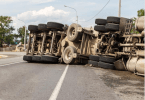


Car crashes are one of the leading causes of injury and death in the United States. According to the National Highway Traffic Safety Administration (NHTSA), 42,795 people died in traffic crashes in 2022 alone, which makes it critical for all drivers to be as safe as possible on the road.
Although vehicle safety tech has improved in the last couple of decades, drivers need to do most of the work. Simple habits like staying alert, obeying speed limits, and anticipating potential hazards can dramatically reduce the chances of a crash.
Even minor accidents carry the potential for bodily injury that can rack up extensive medical bills. While it is possible to recover financial compensation through a lawsuit, it’s better to do what you can to prevent accidents in the first place.
Through defensive driving, you can lower your risk of an accident and protect your passengers. Here’s how.
- Obey the speed limit
Traffic laws exist to keep the roads somewhat predictable. When you stray from traffic laws, you endanger yourself and other drivers. For example, speeding may not seem like a big deal, but it disrupts the natural flow of traffic and becomes a hazard. Speed limits are created based on the construction of the road, the flow of traffic, and certain safety considerations (like blind curves). When you drive faster than the speed limit – especially on dangerous roads – you’re more likely to be involved in an accident.
It’s critical to maintain safe speeds, especially when the weather alters road conditions. Always adjust your speed when it’s raining, snowing, icy, hailing, foggy, or when any other factors impact normal driving conditions.
- Keep your focus on the road
Distracted driving is one of the biggest threats on the road. Whether it’s a GPS navigation system, a cellphone, food, or an argument, anything that diverts your attention away from the road creates a hazard. Even just a split-second of inattention can prevent you from reacting to a hazard, like the car in front of you slamming on its brakes or a pedestrian darting out into traffic in the absence of a crosswalk.
Anytime you get in the car, put your phone away out of your reach. Don’t keep it in your lap. In fact, some states are starting to pass laws that make it illegal to have your phone in your lap. If you happen to run a red light or not get through the intersection all the way before the light turns red, if the traffic cameras see a phone in your lap, you can expect a more expensive ticket.
Multi-tasking is always a danger while driving. Even simple activities like eating, adjusting controls, or reaching for objects will reduce your reaction time and situational awareness. You may have gotten away with these actions for years, but that’s only because no hazards presented themselves at those moments. You can’t predict when a hazard might appear while you’re reaching for your drink.
- Maintain a safe following distance
Rear-end crashes are common and usually occur when drivers follow other vehicles too closely. Sometimes these accidents are just fender-benders that happen in parking lots, but at higher speeds, they can cause serious damage and injury.
In general, it’s advised to have at least three seconds between you and the car in front of you. However, at higher speeds, you might need a little more distance. You want to keep at least 1 car length for every 10 miles per hour. So if you’re traveling at 60 miles per hour, you’ll want six car lengths between you and the car in front of you, which is around 200-300 feet.
In poor weather conditions (like snow, ice, fog, and heavy rain), you’ll want to increase your distance. Braking distances can double on wet pavement and sliding is common on icy roads. Also, if you’re driving behind large trucks, either pass them or leave even more following distance.
- Never drive under the influence
Impaired driving is one of the most preventable causes of fatal car crashes. Alcohol, illegal or prescription drugs, and even over-the-counter medications can impair your judgment and slow your reaction time. If you’re going somewhere to drink alcohol, plan ahead for a ride home with Uber, Lyft, a taxi, public transportation, or a sober friend.
Safe habits make a huge difference
Most traffic accidents can be prevented with safe driving habits. Staying focused on the road, maintaining safe speeds, keeping proper distance between you and the car in front of you, and driving sober all contribute to safer roads.
By consistently practicing these good driving habits, you can reduce your risk of an accident and help keep the roads safe for everyone.