
The whistle echoes, the heart beats faster, and millions of people watch. But there is the plate even before the kicks touch the pitch, the goals, tackles, and even passes. Each sprint, tackle, and header depends on one thing: food. And not just any food. We’re talking grams, ratios, timing, and science. Long before the stadium below, champions have already been built on forks and spoons. Are you curious what turns elite athletes into unstoppable machines? Let’s explore.
Contents
Fueling for the Full 90
A 90-minute match burns up to 1,500 calories for pro footballers. That’s not a typo. Players load up 65% complex carbs, 20% lean protein, and 15% healthy fats daily to keep pace. Why? Because glycogen — the fuel from carbs — powers every sprint and sudden stop. Studies from UEFA and FIFA medical centers show that players who carb-load properly sprint 23% more during a match. Now imagine that edge when the final whistle nears. That’s what fuels legends.
But sport is not only about those on the field, but also about those close to it with their hearts. Modern fans also strive to be closer to the game, feel its pulse, and follow every moment without stopping. This is precisely why the MelBet app was created, which turns ordinary viewing into live, interactive participation. It allows you to watch and live the match with your favorite teams, placing bets right in the process and feeling the tension of every minute!
What’s on a Pro’s Plate
Top-level players aren’t guessing. Their meals are measured, planned, and powerful. Whether it’s breakfast or dinner, every bite has a purpose. Here’s what consistently shows up on elite menus:
- Oats, quinoa, and whole-grain pasta — These provide slow-burning carbs, ensuring energy release across both halves.
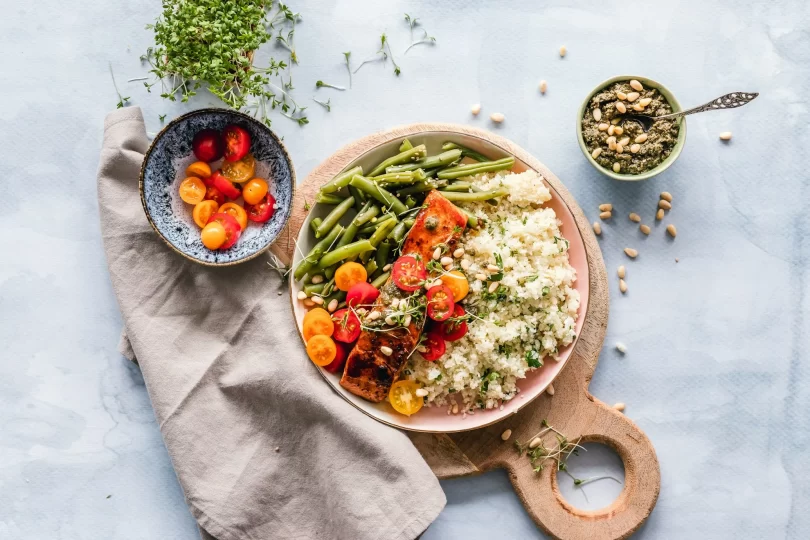
- Chicken breast, salmon, and eggs — High-quality proteins that repair muscle fibers after explosive effort.
- Spinach, sweet potatoes, and broccoli — Micronutrient-packed vegetables essential for inflammation control and stamina.
- Chia seeds, olive oil, and avocado — Healthy fats that keep hormone levels stable and joints fluid.
No empty calories. No shortcuts. Only foods that push the limits of endurance and speed.
Timing Matters Too
Meals are more than just about the food. It’s about the timing. FC Barcelona’s nutritionists have revealed that meals for the players take place 3-4 hours before the game. The meals should be low in fat, high in carbohydrates, and served in a way that makes glycogen stores ready to be used. Meals consist of rice, steamed veggies, and grilled chicken. Right before the start of the match (30-60 minutes), light snacks like sports bars and bananas are consumed to maximize energy.
Players need to start their recovery immediately after the match. They must take a protein-carb shake (in a 3:1 ratio) within 30 minutes of finishing the match; otherwise, muscle repair and glycogen restoration do not begin. Waiting too long can result in a decrease of up to 10% in performance on the following day, according to studies from the Gatorade Sports Science Institute. Timing is crucial, and the science is unforgiving!
Hydration as a Hidden Key
On the surface, water appears to be a simple topic. Not so for top-level athletes, however. Just a 2% drop in body weight due to dehydration can impact sprint capability by up to 5% and increase the time needed for cognitive reaction by 7%. No trainer would permit that. Sweat-rate monitoring is done for players like Cristiano Ronaldo to gauge fluid loss during training sessions.
During matches, many drink isotonic fluids like Gatorade Prime or Isostar, which replenish some electrolytes lost during sweating. Sodium, potassium, and magnesium are just as important as water. At Manchester City, hydration strategies are tailored to individual needs. On the day of the match, some players consume as much as 2.5 liters. Hydration is not a peripheral issue — it’s a strategy and a choice that determines the outcome of the game.
How Nutrition Shapes Recovery
Recovery is where tomorrow’s performance is built. The best clubs don’t leave this to chance. Each nutrient supports a specific goal. Here’s how elite players eat to bounce back stronger:
- Whey protein shakes — Trigger muscle protein synthesis within the critical post-match window.
- Tart cherry juice — Reduces muscle soreness and speeds up inflammation recovery by up to 40%.
- Bananas and rice cakes — Fast-absorbing carbs that refill glycogen stores and prevent fatigue.
- Omega-3 rich fish like salmon — Combat micro-inflammation and enhance joint recovery.
All of these are backed by studies, applied by nutritionists at Bayern Munich, Real Madrid, and beyond. Recovery isn’t rest — it’s tactical eating.
Game Day vs. Training Day
Meals prepared for game day focus heavily on performance — something clean, carb-laden, and easy to digest. Chicken and pasta with tomato sauce? Can’t go wrong. Training days, however, offer a bit more flexibility. Increased fat intake helps balance hormones and supports endurance building, which is key during long-term training. Think: avocado toast with eggs—or grilled salmon with quinoa.
Training days tend to require 10-20% fewer calories, but protein intake tends to go much higher to accelerate protein adaptation and increase the rate of recovery. Ajax is one of the clubs that tailors its menu from the provided data, GPS heart rate monitor track, and adjusts it daily to fit every player’s needs. There’s no fixed ‘standard plan’—everything shifts depending on the clock, efforts, and goals.
Because Every Bite Builds the Dream
Each objective commences with a decision, and a lot of the time, it isn’t on the field, but at a dinner table. The aroma of grilled chicken, the fresh salad smell, and the water bottles’ burden before the fight. This isn’t only nutrition. It’s faith, surrender, and dreaming with order. For every roar, there are a lot of sprints and passes, and there is also a fork supporting it. Each mouthful nourishes the ambition!