
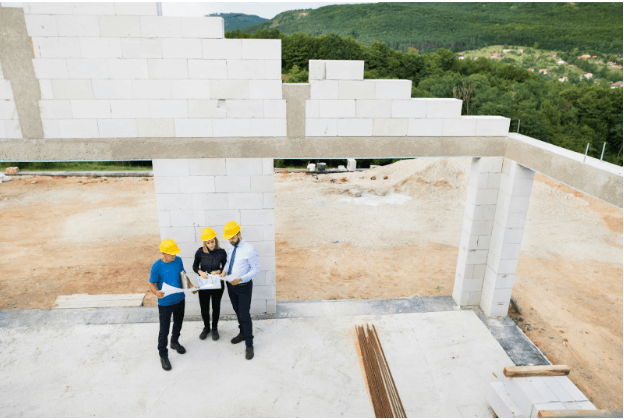

Precision in engineering and construction is more than a technical requirement; it’s the foundation of quality, safety, efficiency, and performance. From early-stage planning to final execution, accuracy ensures that every detail aligns with the intended outcomes. As noted by Ryan Gustin, missteps, even small ones, can lead to compounding problems like structural weaknesses, cost overruns, or safety hazards.
With advancements in design software and on-site technology, teams are now more equipped than ever to uphold precision at every phase. Whether it’s maintaining compliance with building codes, managing time and budgets, or integrating cutting-edge tools, the pursuit of precision directly influences the success of any project.
Contents
Precision in Engineering and Construction
Precision in engineering and construction refers to the exactness and accuracy applied throughout the planning, design, and building phases. It involves careful attention to detail in measurements, calculations, and execution, ensuring every component aligns with the intended specifications.
When a structure requires a foundation to support specific loads, even a small deviation can impact its stability. Similarly, in engineering design, a minor calculation error can lead to system inefficiencies or failure. These fields demand high levels of accuracy because the end results must perform reliably under real-world conditions. The margin for error is often razor-thin, especially in projects involving large-scale infrastructure or critical systems.
Precision in Design and Planning
Successful engineering and construction projects are rooted in accurate design. Every line in a digital model or calculation in a plan influences how materials will be used, how forces will be distributed, and how the structure will perform over time. Tools like CAD and BIM allow teams to visualize and test designs before work begins, reducing the risk of costly revisions later on. These tools also help in simulating various environmental conditions, ensuring the design holds up under different stress factors.
A miscalculated load-bearing point or misaligned ductwork in a plan can create delays, inflate costs, or compromise performance. By prioritizing precision during the planning stage, teams ensure that what’s built matches what was envisioned. When every detail is clearly defined, it leaves little room for misinterpretation, allowing the project to move forward with greater coordination and confidence.
Maintaining Accuracy During Construction
On a construction site, accuracy is more than a best practice—it’s a requirement. Whether it’s aligning structural beams or installing plumbing systems, even millimeter-level deviations can lead to cascading issues. Skilled tradespeople rely on precise blueprints, calibrated tools, and experience to ensure every component fits as intended. The use of checklists and on-site verification processes further strengthens this commitment to accuracy.
If concrete is poured slightly off-level or a wall is framed just a few degrees off the plumb, the error can affect the entire structure. These small missteps might not be visible immediately but can lead to long-term problems, such as uneven load distribution or material fatigue. Over time, these flaws might necessitate costly repairs or adjustments that could have been avoided with more precise work during the initial phase.
Safety, Standards, and Code Compliance
Precision plays a vital role in maintaining safety on-site and in the finished structure. When building elements are placed exactly where they should be, the risk of failure decreases, and the structure performs as designed under various conditions. Engineering teams rely on established codes and standards to guide this level of accuracy, ensuring that materials, dimensions, and tolerances align with proven safety benchmarks.
Neglecting precision has led to structural collapses, system malfunctions, and costly litigation. Whether it’s improper rebar spacing or substandard welds, overlooking exact details can threaten lives and property. Adhering to codes isn’t just a legal formality—it’s a blueprint for safety and reliability. It also reassures stakeholders that their investment is secure and built to last under regulatory scrutiny.
Cost Control and Time Management Benefits
Projects that emphasize accuracy from the beginning often avoid the need for rework, saving both time and money. When measurements are correct, materials are used efficiently, and labor stays on schedule, reducing the risk of unexpected delays or budget overruns.
Tight timelines and financial margins leave little room for error. Accurate execution reduces waste, optimizes resources, and leads to smoother inspections—all of which contribute to long-term savings. Over time, this attention to detail becomes a competitive advantage, allowing firms to deliver consistent results within budget and ahead of deadlines.