
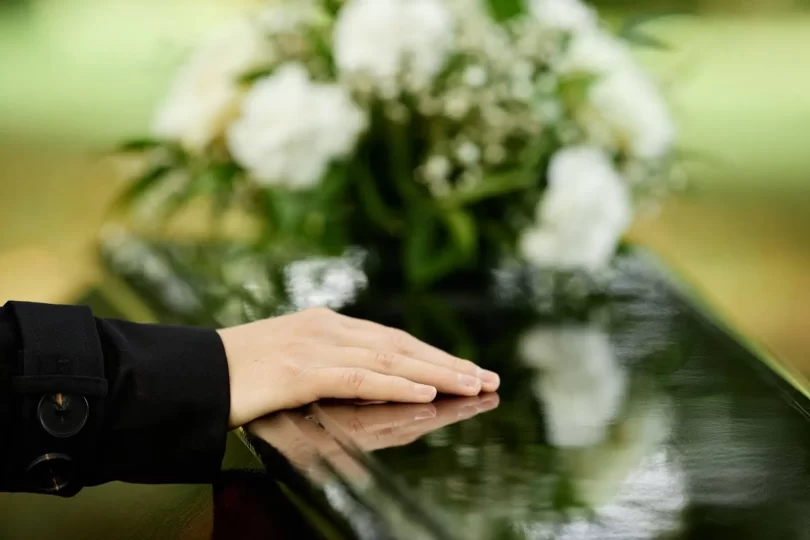

With everything moving faster, many people question whether long-standing rituals, especially funeral traditions, still have a place in modern society. However, despite rapid changes in how we live, funeral traditions continue to play a vital role in how we grieve, remember and heal.
In many ways, the growing interest in funeral pre-planning reflects a renewed respect for meaningful farewell ceremonies.
Contents
The Role of Traditions in Grief and Healing
Offering Structure During a Difficult Time
One of the key benefits of funeral traditions is that they provide structure during a chaotic and emotional time. When a loved one passes away, emotions can feel overwhelming. Traditions give us something to follow and hold onto. Whether it is a wake, a religious service or a cultural ritual, these customs help us begin to process loss and take the first steps toward healing.
Funeral traditions allow families and friends to come together to honour a life. In times of grief, gathering in a familiar way offers comfort. Whether it is lighting a candle, saying a prayer or simply being present, these acts create a shared experience that reminds us we are not alone in our sorrow.
As more Australians choose to pre plan funeral arrangements, it becomes clear that traditions still hold deep meaning. Planning in advance allows individuals to include the customs and rituals that matter most to them and their families.
Why Traditions Are Still Important Today
Creating a Sense of Meaning
In our fast-paced lives, it is easy to focus on efficiency and speed. But when it comes to death, people still crave meaning. Funeral traditions help make sense of the loss and create a moment of reflection. They turn a painful event into an opportunity to celebrate a life, remember shared moments and pass on stories.
Honouring Cultural and Family Values
Many Australians come from diverse backgrounds with unique customs. Keeping these traditions alive during a funeral helps preserve cultural identity and strengthens family bonds. It is also a way to honour the beliefs and values of the person who has passed.
Even if someone chooses a more modern or personalised service, they often include elements of their heritage. This blending of old and new shows that traditions still matter, even when adapted to fit current lifestyles.
How Pre-Planning Supports Traditional Values
Choosing Traditions in Advance
When you pre plan funeral arrangements, you get to decide which traditions you would like included. This might be a religious service, a specific type of music, or the involvement of certain family members. You have the chance to make sure your funeral reflects your personal values and the customs that mean the most to you.
Pre-planning also gives peace of mind to your loved ones. They do not have to guess what you would have wanted or worry about making the wrong choice under pressure. Everything is clearly laid out, including the traditional aspects that hold special meaning.
Balancing Tradition with Personal Touches
Modern funerals often mix time-honoured rituals with more personal touches. For example, you may want to include a eulogy, a slideshow of memories, or even a favourite song that would not traditionally be part of the service. When you pre plan funeral services, you can balance these modern ideas with meaningful traditions in a way that feels just right.
Common Traditions That Still Matter
The Viewing or Wake
Although some families skip this step, many still find comfort in a viewing or wake. It gives friends and relatives time to gather, share stories and begin saying goodbye in a peaceful setting.
Funeral Processions
In some cultures, funeral processions are still an important part of saying farewell. The act of travelling together to a burial site can be deeply symbolic and allows the community to show support for the family.
Religious or Cultural Services
Faith and culture play a big role in how we handle death. Whether through prayers, hymns or rituals like lighting incense, these acts help connect people with something bigger than themselves and give meaning to the farewell.
Memorial Gatherings
After the funeral, many families hold a memorial gathering. This might be a meal, a celebration of life or a more formal event. These gatherings give people time to remember the loved one, support each other and begin the process of moving forward.
Keeping Traditions Alive for Future Generations
Teaching the Next Generation
Including traditions in funerals helps pass them on to younger generations. Children who attend a service or see their family take part in rituals learn the importance of honouring those who have passed. They also start to understand how their own culture and family values are preserved over time.
Adapting Traditions to Fit Modern Life
Traditions are not about staying stuck in the past. They are about carrying forward the values and meanings that matter. As society changes, traditions can evolve while still holding true to their original purpose. Whether streamed online or hosted in a local park, modern funerals can still be rich with meaning and tradition.
Even in a world where everything moves quickly, funeral traditions continue to offer something timeless. They bring comfort, connection and meaning during one of life’s hardest moments. By choosing to pre plan funeral arrangements, individuals have the chance to include the traditions that shaped their lives and values.
In doing so, they not only ease the burden on their families but also ensure that their memory is honoured in a way that reflects who they truly were. Traditions may change with time, but the need for human connection, respect and remembrance remains as strong as ever.