
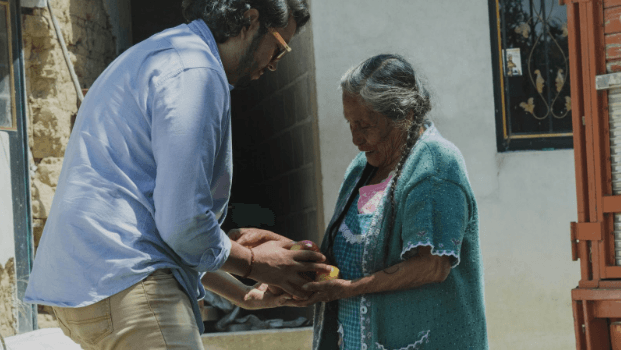

Communities flourish when people come together with empathy, purpose, and a willingness to act. Whether it’s through small moments of kindness or large-scale neighborhood efforts, the power of human connection is at the heart of meaningful change. Strong communities are not built overnight—they are shaped by the collective choices of individuals who show up. By embracing compassion as a shared value, encouraging inclusive participation, and supporting grassroots initiatives, neighborhoods can grow more resilient and connected.
These efforts, no matter how modest they may seem, create a foundation for an impact and shared joy. Taking the first step toward engagement, whether through listening, lending a hand, or leading a project, can ignite a wave of positive transformation, as Melissa Mabe explains. When intention meets action, and when care becomes visible, communities become places where everyone has the chance to thrive.
Contents
Why Community Strength Matters
A strong community is built on trust, mutual respect, and shared goals. When people feel connected and supported, they’re more likely to contribute time and energy toward common well-being. This sense of unity helps neighborhoods thrive, even in difficult times.
Many communities today face challenges like social isolation, economic gaps, and a lack of communication. These issues can weaken the bonds that hold people together. Acts of compassion and meaningful action can help bridge these divides, creating spaces where everyone feels valued and heard. In many ways, the strength of a community lies not in its resources but in how its members respond to one another.
Compassion as a Core Value
When compassion guides our interactions, it creates a foundation of trust and belonging. Simple gestures like checking in on a neighbor, offering a helping hand, or listening without judgment can foster deeper connections within a community. These moments of empathy often ripple outward, encouraging others to act with kindness. Over time, these exchanges can shift the tone of a whole neighborhood.
In cities where community gardens thrive, it’s often the result of people coming together to nurture something beyond themselves. Sharing time and space in this way builds not only food security but a sense of shared purpose and mutual respect. These green spaces often become hubs where stories are exchanged, friendships grow, and people feel rooted to their surroundings.
Compassion doesn’t require grand gestures. It lives in everyday choices—welcoming a new family to the neighborhood, supporting a struggling local business, or simply showing up when someone needs help. When people feel seen and cared for, the entire community becomes more resilient.
From Intention to Impact
Good intentions matter, but without follow-through, they rarely lead to lasting change. Turning empathy into action means stepping beyond comfort zones and taking responsibility for the well-being of others. Whether it’s joining a local initiative or starting a conversation with someone who feels left out, small steps can lead to powerful outcomes.
A group of teens in an urban neighborhood once began hosting weekly clean-up walks. What started as a way to beautify their streets grew into a neighborhood movement, drawing in families, local artists, and small business owners. Their story shows how change often begins with the simplest acts of care.
Action rooted in compassion doesn’t just address problems—it uplifts spirits. It shows people that they matter, that their community cares, and that together, they can make meaningful progress. This kind of action fosters a sense of ownership and shared identity that can’t be manufactured from the outside.
Community-Led Initiatives in Action
When people take ownership of their surroundings, real change begins to unfold. Whether it’s organizing a block watch or launching a weekend meal program, grassroots efforts often stem from individuals who simply care. Their drive can inspire others to join, creating a ripple effect that strengthens the entire neighborhood. These efforts often arise from recognizing unmet needs and believing that change is possible.
In a rural town, a group of parents began offering free tutoring sessions at the local library. What started with just a few kids soon became a trusted weekly gathering. These kinds of community-led efforts don’t just solve problems; they build trust and long-term investment in one another. Momentum built locally often leads to broader support and collaboration.
Encouraging Participation and Inclusion
It takes effort to make everyone feel welcome. Communities thrive when people from all backgrounds are invited to share their perspectives and contribute in meaningful ways. Whether through cultural events, open forums, or collaborative projects, inclusion adds richness and depth to community life.
In a neighborhood with a growing immigrant population, a local art center began hosting storytelling nights where residents shared personal journeys. These evenings helped dissolve barriers, fostered understanding, and sparked friendships across generations and cultures. Participation became more than involvement—it became belonging. As people found common ground, the community discovered new strength in its diversity.
Taking the First Step
Smiling at a stranger, joining a local cleanup, or offering your time to a community cause might seem small, but these efforts plant seeds of connection. Even the smallest action can spark larger movements when met with sincerity and consistency.
Reflecting on your role within your neighborhood can be powerful. Ask yourself what you can offer, no matter how small. When compassion becomes part of your daily rhythm, it has the power to inspire others and transform the environment around you. The momentum starts with one person choosing to speak out loud.