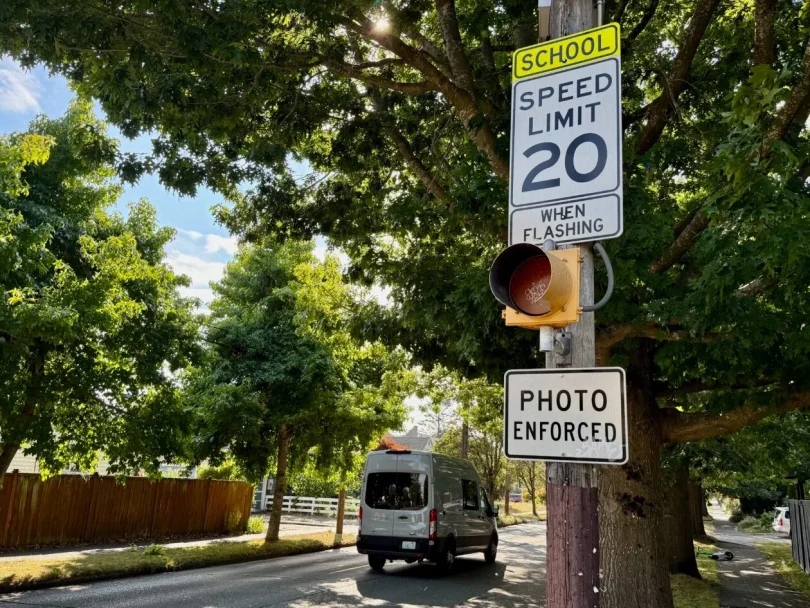

A flashing beacon outside a quiet Seattle school can turn a familiar route into an unexpected penalty zone. Recognizing when reduced speed limits apply means tracking how posted times, flashing lights, and automated enforcement systems overlap throughout the city’s schools—rules that can shift with events, seasons, or even the presence of a single crossing guard.
Seattle’s mix of fixed-hour postings, “When Flashing” rules, and after-hours activities often confuses even careful drivers. Knowing which signals carry legal weight—and when they apply—helps motorists avoid citations, protect their insurance, and drive responsibly through zones meant to safeguard children and communities.
Contents
Why Enforcement Timing Defines School Zone Violations in Seattle
Evening rehearsals, athletic practices, and weekend tournaments often draw pedestrians to school grounds after regular hours, triggering enforcement based on activity instead of daily schedules. Some zones operate on fixed timeframes, while others activate during permitted events. Checking the city’s published enforcement windows with insight from a speeding ticket attorney provides a clearer sense of when a zone was legally in effect.
When preparing a defense, collect records that outline how enforcement rules applied at that specific time. Officer notes, device activation logs, and the school’s facility-use calendar can highlight important timing inconsistencies. Printed permits or digital copies that verify event hours add credibility to your case, offering precise, verifiable proof that can influence a judge’s final decision.
How Seattle Defines and Marks Active School Zones
Seattle’s school zones use varied signage to signal active speed limits. Some show fixed hours, while others activate only when flashing lights or children appear nearby. This layered system aligns enforcement with real activity but can confuse drivers unfamiliar with local variations. Clear wording and visual cues determine when legal speed restrictions apply.
To stay compliant, verify posted details and light status before entering any zone. Capture timestamped images showing signage and conditions when uncertainty arises. These small habits not only strengthen your position if cited but also encourage alert, consistent driving through areas designed to protect children and reduce community risk.
What Officers Rely On to Justify School Zone Citations
Speed enforcement in school zones typically depends on radar or lidar readings supported by an officer’s visual observations. Notes on location, pedestrian activity, and visibility of warning signs help confirm a valid stop. Judges often consider both the accuracy of speed measurements and the officer’s situational awareness when assessing the legitimacy of a citation.
Weather conditions, lighting, and reflective surfaces can affect readings. Requesting calibration certificates and maintenance logs for radar devices often reveals key details that influence outcomes. A dated dashcam clip showing the sign, device, and lighting environment provides strong evidence, helping drivers present factual, credible defenses during contested hearings.
Practical Steps to Contest a School Zone Speeding Ticket
A ticketed citation feels immediate, with court dates, fines, and insurance questions piling up. Choosing a contested hearing preserves the chance to present evidence instead of paying the fine outright. Gather the citation, clear photos of the sign with timestamps, dashcam clips, any witness contacts, and the school’s event calendar or permit; request calibration and maintenance logs for speed devices.
An attorney’s review often highlights weak links and possible plea options, and prosecutors may offer diversion or reduced charges for drivers with clean records. Requesting discovery early reveals activation and calibration records. Printed copies of timestamped photos and device logs tend to carry weight at hearings, offering a clear closing point.
Preventing Future School Zone Speeding Issues in Seattle
Seattle’s school zones follow varied schedules that can change by neighborhood or event. Some display fixed times, while others depend on flashing lights or visible student activity. Treat every illuminated beacon or crowded crosswalk as a 20-mph zone to protect safety and prevent misunderstandings. Awareness before you reach the sign keeps penalties and confusion to a minimum.
Digital tools make consistency easier. Map apps with school-zone alerts, dashcams that timestamp signage, and bookmarked calendars for local campuses provide quick verification during commutes. A simple phone note listing posted hours or event permits helps you adapt on the fly, turning routine routes into predictable, stress-free drives through every Seattle neighborhood.
Driving through Seattle’s school zones requires focus and consistency. Knowing how enforcement connects to posted hours, flashing signals, and after-school activities allows drivers to stay compliant while protecting community safety. Collecting timestamped photos, reviewing event calendars, and verifying calibration records strengthens a defense when disputes occur. Still, prevention carries the greatest value: easing speed near campuses protects children, avoids penalties, and promotes safer neighborhoods across the city. Each deliberate choice behind the wheel—checking lights, observing signs, and slowing early—turns complex local rules into confident habits that preserve both safety and peace of mind on every trip.