

When you’re buried in debt and the bills are piling up, bankruptcy can feel like something you never wanted to consider – yet can’t ignore anymore. But here’s something most people don’t realize until they start researching: Bankruptcy isn’t a one-size-fits-all process. There are different types, different rules, and very different outcomes depending on which path you choose.
If you pick the wrong type, you could end up paying more than you need to, losing protection you didn’t have to lose, or dragging out a process that could’ve been resolved months earlier.
Start With an Honest Look at Your Situation
Before you even think about forms or court dates, you need to take stock of where you stand. Bankruptcy isn’t just about numbers; it’s about what you’re trying to protect, what kind of debt you have, and how much income you’re bringing in.
You’ll want to consider your situation and what your goals are. For example, if you’re trying to eliminate your debt entirely, that’s a totally different approach than if you’re simply wanting to reorganize your debt in a strategic manner. And then there’s the issue of your current assets and whether or not you want to keep/protect certain ones.
While no two situations are the same, you should carefully analyze your circumstances and consider the pros and cons of different approaches. Once you have a clear picture, it becomes much easier to understand which bankruptcy chapter can help you most.
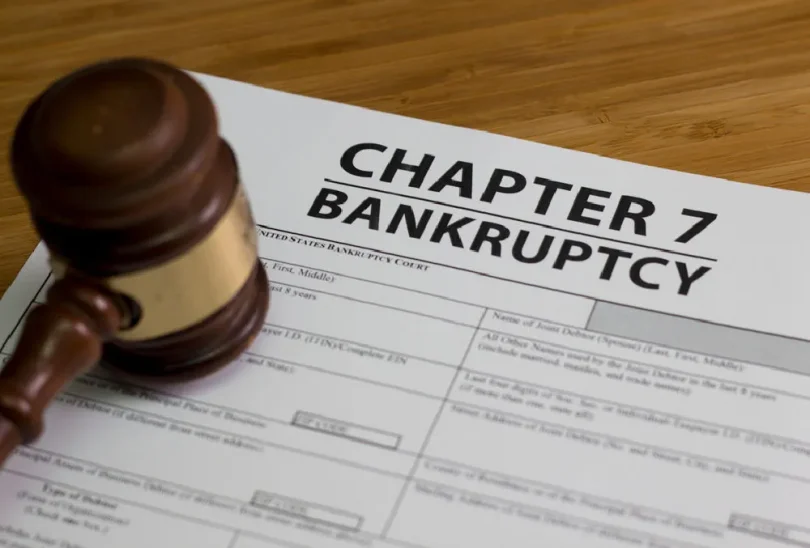
Chapter 7: The Fast Clean-Slate Option
If you’re overwhelmed by unsecured debts – credit cards, medical bills, personal loans – Chapter 7 may be the most straightforward option. It’s designed for people with limited income who need a fresh start.
The biggest misconception is that filing Chapter 7 means losing everything. Many people imagine their home, car, and belongings being taken away to pay creditors. Fortunately, that’s rarely what happens.
“Though Chapter 7 is known as a liquidation of assets, most necessary assets such as your home, vehicle and household goods are exempt from liquidation,” Reed Law Firm, P.A. explains. “That means you usually can keep all or most of your assets and still get out of debt.”
That single statement surprises almost everyone. Chapter 7 is much less about “selling your stuff” and much more about wiping out debt quickly.
Why Chapter 7 might be right for you:
- You have mostly unsecured debt.
- You don’t have significant disposable income.
- You’re not behind on a home or car you want to keep.
- You want the fastest route – cases typically finish in four to six months.
Chapter 13: The Structured Repayment Plan
If Chapter 7 is the quick reset button, Chapter 13 is the financial reset with guardrails. Instead of eliminating most debts outright, Chapter 13 reorganizes them into a manageable repayment plan lasting three to five years.
This is the chapter many people choose when:
- They earn too much income to qualify for Chapter 7.
- They’ve fallen behind on mortgage or car payments but want to keep the property.
- They owe taxes or other debts that can’t be discharged in Chapter 7.
- They need protection from foreclosure or repossession while catching up.
One of the biggest benefits of Chapter 13 is control. You keep your assets, you pay what your budget allows, and you get breathing room. Creditors can’t harass you, sue you, or demand payment outside the court-approved plan.
For most people, Chapter 13 feels like hitting “pause” so you can catch up without fear of losing everything.
Chapter 11: Not Just for Corporations
Most people hear “Chapter 11” and immediately think of large companies restructuring their debts. That’s true – but Chapter 11 also applies to individuals with very high income or very complex financial situations.
This type of bankruptcy offers flexibility that Chapter 13 doesn’t, including the ability to reorganize significant assets, restructure business debts, or manage multiple income streams.
Chapter 11 is usually the right fit if you:
- Are a business owner with substantial business-related debt.
- Have income or debt levels too high for Chapter 13’s limits.
- Need more control over how debts are renegotiated.
The process is more expensive and more involved, but for some individuals, it’s the only filing structure that fits their financial picture.
How to Know Which Path Is Best for You
You can Google comparisons all day long, but at some point, you need tailored advice. Bankruptcy law involves dozens of exemptions, income tests, local rules, federal rules, and timelines – all of which affect your rights and protection.
The best way to know for sure is to consult a bankruptcy attorney – almost all offer free consultations. They can quickly assess which chapter protects you best and helps you meet your goals.
Don’t Wait Until You’re Out of Options
People often delay bankruptcy because they feel ashamed or fear the consequences. But the reality is that bankruptcy is meant to protect you, not punish you. It’s a legal tool designed to give you stability and a chance to rebuild.
The longer you wait, the more creditors pile on fees, interest, and lawsuits. You might drain retirement accounts, max out credit cards, or fall behind on payments trying to keep up – and those decisions can make things worse.
With the right type of bankruptcy, you can stop the spiral. You just have to make it a priority sooner rather than later!