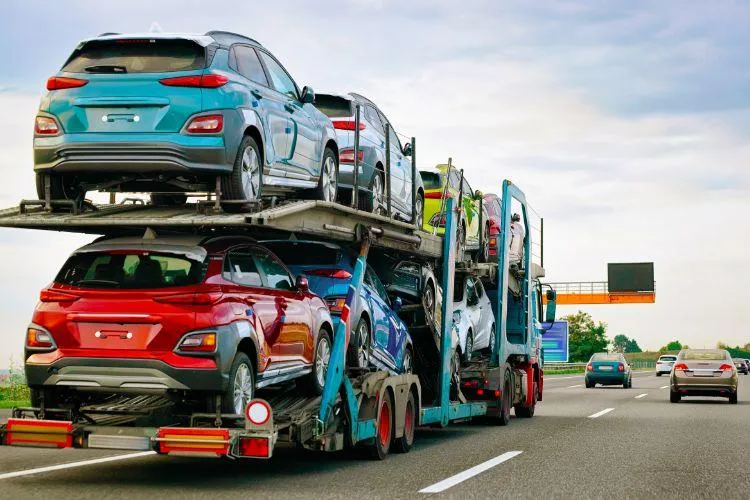

In 2026, car shipping operates in a complex and ever-changing market, so prices are rarely set in stone. Whether you are moving a single car or planning a large relocation, it helps to know why prices change. When you request a quote, the price reflects current economic trends, local logistics, and the needs of the vehicles being shipped. These price changes are not random but are based on supply and demand, operating costs, and the availability of licensed carriers.
Contents
- 1 The Principle of Market Rates and Preliminary Quotes
- 2 Distance and Geographic Logistics
- 3 Vehicle Specifications and Handling
- 4 The Supply and Demand of Driver Availability
- 5 Cyclical Character of Seasonal Fluctuations
- 6 Weather Logistics and Environmental Extremes
- 7 The Straight Correlation with Fuel Price Dynamics
- 8 Weight-Related Logistics and Personal Belongings
- 9 The Strategic Alternative: Open vs. Enclosed Transport
- 10 Forms of Delivery: Door-to-Door or Terminal-to-Terminal
- 11 The Effect of the Lead Time and Scheduling Flexibility
- 12 Dealing with the Legal and Insurance Framework of 2026
- 13 The Bill of Lading: The Ultimate Logistical Document
- 14 Avoiding Lowball Scams and Deceptive Pricing
- 15 Conclusion: Strategic Planning for a Successful Move
The Principle of Market Rates and Preliminary Quotes
Getting a quote is the first step in shipping a car, but remember that this price only reflects the market at that moment and can change. If market conditions shift before your car is picked up, the price may need to be adjusted to secure a reliable driver. Carriers look for routes that are efficient and profitable, so your quote needs to be competitive.
While some groups try to protect customers from price hikes, car shipping costs are still affected by:
- Inflation and administrative fees;
- Insurance premiums;
- Strict maintenance requirements.
These factors ensure your vehicle is shipped safely and reliably.
Distance and Geographic Logistics
Distance is a major factor in car shipping costs, but it’s not just about mileage. Shipping between big cities like Los Angeles and Dallas is often cheaper per mile because there are more carriers and less empty travel. Shipping to rural or remote areas usually costs more due to narrow roads, longer travel times, and fewer available carriers. Carriers also factor in extra fuel and time for these trips, which gives them more control over pricing. Knowing this can help you plan your move more effectively.
Vehicle Specifications and Handling
The size and type of your vehicle play a big role in shipping costs. Standard sedans and compact SUVs fit easily on most trailers, so pricing is straightforward. Modified or oversized vehicles, however, take up more space and may need special equipment, which increases the price.
For example, cars with low ground clearance might need hydraulic lift gates, usually found on enclosed carriers. Specialized handling and equipment add to the cost, but they help protect your vehicle during transport.
The Supply and Demand of Driver Availability
One of the hardest things to predict in car shipping is how many truckers are available at any given time. If there are more cars to move than there are drivers, prices go up. This is affected by national trends like driver shortages, new regulations, and competition in the freight market. Carriers prefer busy routes where they can fill their trailers. If your order sits unclaimed, it often means the price is too low for drivers. Focusing on finding a reliable carrier, rather than just the lowest price, leads to better results.
Cyclical Character of Seasonal Fluctuations
The time of year has a big impact on car shipping prices. For example, during the ‘snowbird’ season in late fall and early spring, many people move from northern states to warmer places like Florida, Arizona, and Texas. This creates high demand in certain directions, which can raise prices. The main moving season from May to September also sees a spike in demand as families relocate for school or better weather.
During these busy times, competition for trailer space increases, so prices go up to attract carriers. Analyzing temporal changes in the auto transport market reveals that the time of year is a key factor in pricing volatility. It is not a coincidence that this seasonality occurs; rather, it is determined by previous migration patterns and the classic American moving calendar. Combining the variables of the so-called season of the snowbirds, the demand for car transport services is increasing accordingly. When one tries to book a shipment during these peak months, one is competing with thousands of others for the few trailer slots.
Weather Logistics and Environmental Extremes
The weather is another factor that can quickly change car shipping prices. Severe weather like blizzards, hurricanes, or floods can disrupt major highways and slow down the entire supply chain. Carriers often pause operations for safety, which limits the number of available trucks and drives up prices as customers compete for space.
Bad weather can also mean higher costs for carriers, such as extra maintenance or special equipment. If you need extra protection for your vehicle, like enclosed transport, expect higher costs during unpredictable weather. Professional and licensed carriers are supposed to care about the safety of the equipment they carry and the fine-tuned machines they are transporting, which, in most cases, means halting operations until the situation improves.
The Straight Correlation with Fuel Price Dynamics
The economic reality of the transport industry cannot be discussed without reference to energy costs. When the price of diesel fuel at the pump changes, it is virtually reflected in the quotes given to consumers. For a professional career with a large multi-car trailer, fuel is the primary operating cost. Considering the heavy loads and the distance covered, even a small increase in the price per gallon can result in extra costs of hundreds of dollars on just one cross-country trip.
Oil production and domestic energy policies have remained sensitive in the market in 2026. This volatility is managed through fuel surcharges imposed by carriers and brokers to ensure that fuel prices are a major part of car shipping costs. When diesel prices go up, shipping quotes usually rise too, since fuel is the biggest expense for carriers.
Weight-Related Logistics and Personal Belongings
Though some might permit a small number, anything beyond that can cause serious complications. At the checkpoint, a trailer found to be overweight in the case might be liable to heavy fines, and the driver must remove the excess weight immediately. To avoid this risk, carriers tend to charge extra for vehicles with extra cargo or even reject the load altogether when it endangers their legal compliance.
In addition, any personal belongings left in a car are not usually covered by the carrier’s cargo insurance, which covers the vehicle itself. To have a pleasant transport experience, it is necessary to understand these weight-related logistics so that the smooth-running mechanisms operate within the industry’s legal and lawful confines.
The Strategic Alternative: Open vs. Enclosed Transport
Among the most important decisions to be made when analyzing the financial needs of vehicle relocation is selecting between open and enclosed trailers.
- Open Transport: Usually the most reasonable and economical choice when a consumer commutes as a regular driver. It is a technique that employs two-level trailers common on national highways, enabling the simultaneous movement of multiple units.
- Enclosed Transport: When it comes to the vehicle at issue, being a high-value collectible, an upscale sedan, or a car that is uniquely tailored to the special requirements of the motorsport logistics, enclosed transport turns into a requirement investment.
Since these trailers possess a smaller carrying capacity with only one or six vehicles per unit often being carried, the per-unit cost is significantly greater, usually between 30 and 50 percent higher than that of open transport. To those running fine-tuned machines, the incremental cost is usually considered insurance against the uncertainties of long-haul delivery.
Forms of Delivery: Door-to-Door or Terminal-to-Terminal
The approach to the pickup and delivery procedure is also a determining factor in the shipment’s final price.
- Door-to-Door: When the client chooses the door-to-door service, he/she is buying the ultimate comfort of the carrier coming as close to his/her address as it is legally and physically possible. In spite of small logistical changes, the door-to-door service is still the best option when a professional considers their time needs and wants to spend as little time as possible on moving their vehicle (dwell time).
- Terminal-to-Terminal: This was also a more prevalent method of reducing costs in the past. Nevertheless, by 2026, most professional and licensed carriers have left this model due to escalating terminal storage charges and the higher risk of damage from additional handling.
The Effect of the Lead Time and Scheduling Flexibility
How far in advance you book your shipment can greatly affect the price. Booking two to four weeks ahead gives brokers more time to find a carrier whose route matches your needs, which can lead to better prices. Last-minute or expedited shipping costs more because it disrupts drivers’ schedules. If you have flexibility in your pickup and delivery dates, you can often save money, as carriers can better plan their routes.
Dealing with the Legal and Insurance Framework of 2026
Once an owner completes selecting a transport provider, attention must immediately shift to the contractual layers and protections that underpin the entire activity. To the moving professional or the holiday traveler, these protections are not just a matter of form, but a mandatory procedure for protecting an important financial investment.
The Federal Motor Carrier Safety Administration (FMCSA) imposes certain limits of cargo insurance to be maintained by professional and licensed carriers, but the standard amount of these limits does not necessarily correspond to the value of replacement of the expensive and modern fine-tuned machines. The onus is therefore on the owner to demand a formal Certificate of Insurance (COI) and, if the unit’s value exceeds the stated limits, to negotiate an umbrella policy or additional rider.
The Bill of Lading: The Ultimate Logistical Document
Another important element of a proper informational text on RV transport is the focus on the Bill of Lading (BOL). This is the official document of the condition of the vehicle at the origin and the final destination. Upon the transport driver’s arrival to pick up, a careful joint check should be conducted. All scratches, dents, and inherent mechanical imperfections must now be described with great accuracy and are frequently accompanied by digital high-resolution imaging. Where new damage is found by the owner during the off-loading operation, it must be recorded on the BOL prior to the driver’s departure.
Avoiding Lowball Scams and Deceptive Pricing
Another important factor is the risk of fraudulent pricing online. If you get a quote that is much lower than others, it’s often a tactic to get your deposit, not a real offer that a carrier will accept. Professional carriers know their costs and won’t take jobs that don’t cover fuel, insurance, and labor.
The best car shipping companies now offer guaranteed pricing, so you won’t face unexpected increases. While these quotes may seem higher at first, they reflect the real costs needed to move your vehicle safely. Choosing carriers with strong safety records and proper insurance helps ensure your car arrives without problems.
Conclusion: Strategic Planning for a Successful Move
In summary, car shipping costs in 2026 depend on many factors, including distance, time of year, vehicle type, and driver availability. Prices change based on real-world conditions like fuel costs and special shipping needs. By choosing licensed carriers and staying flexible with your schedule, you can reduce stress and make sure your vehicle is well cared for during the move.
Car shipping is an important part of helping people move and start new chapters. While many factors affect the cost, being informed helps you focus on getting your vehicle delivered safely. As the industry evolves, a focus on safety, transparency, and quality will keep car shipping reliable and straightforward.