
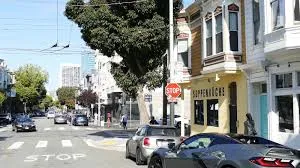

San Francisco has never had it easy when it comes to parking. Narrow streets, dense blocks, and long-established buildings leave very little room to expand or rethink how space is used. In many central neighborhoods, parking demand shifts hour by hour, yet the physical footprint stays fixed, putting constant pressure on garages and curb space.
Many existing garages were built decades ago, before today’s larger vehicles and mixed residential-commercial schedules. Expanding them often isn’t realistic, either due to zoning limits, high construction costs, or lengthy permitting. For owners and operators, even small changes in demand can quickly turn into lost revenue or day-to-day friction. Automated parking systems offer a practical way to get more out of what already exists, helping constrained garages adapt without rebuilding from the ground up.
Contents
Automation Solves Physical Constraints Traditional Parking Cannot
Fixed dimensions, low clearances, and narrow drive aisles make reconfiguring urban garages costly or impossible. Automated San Francisco parking management works within these limits by controlling which vehicles access which stalls and when, removing the need for structural change. Time-based access, dynamic stall assignments, and digital permits let a single footprint serve multiple use cases without re-striping or capital work, so constrained garages operate closer to their true capacity.
Managers use scheduling dashboards to assign stalls by hour, prioritizing residents, deliveries, or short-term shoppers. Removing static signs cuts conflicts and allows operators to trial pricing or access rules digitally, giving owners quick, reversible controls to repurpose space.
Automated Systems Handle Neighborhood-Level Demand Volatility
Parking demand in San Francisco rarely follows a steady pattern. Areas near BART stations, retail streets, and mixed-use blocks see sharp swings tied to commute hours, store openings, and weekend foot traffic. Automated parking systems track live occupancy and transaction data, allowing availability and pricing to shift in response to those local rhythms instead of relying on static rules that miss peak moments.
Operators can use this flexibility to open specific stalls for short stays during lunch or evening rushes, then close them again once demand drops. Rather than guessing, managers respond to real usage patterns, capturing revenue during busy windows while keeping long-term users protected.
Automation Reduces Daily Operational Friction
Modern automated parking platforms extend beyond vehicle handling to continuous system performance oversight. Integrated diagnostics track lift cycles, gate activations, and sensor readings in real time, flagging anomalies before they cause downtime. Predictive maintenance schedules adjust automatically based on equipment usage and error frequency, replacing fixed calendar servicing with data-driven intervals that minimize interruptions and lower repair costs.
Incident management dashboards consolidate fault alerts, technician assignments, and response times within one control panel. Automated notifications route issues to on-call teams, while historical logs support trend analysis and vendor accountability. These tools convert reactive troubleshooting into a structured maintenance process, keeping daily throughput consistent even in older facilities operating under tight mechanical or staffing limits.
Consistent Rule Enforcement Across Complex Local Regulations
San Francisco’s parking rules change block by block, combining permit zones, hourly limits, and property-specific policies. Manually enforcing those rules across multiple garages strains staff and leaves room for inconsistency. Automated platforms apply time- and location-based permissions directly at entry and throughout each stay, matching access to local requirements without relying on manual checks.
Clear, system-generated records give drivers transparent confirmation of how rules were applied during their visit. Instead of debating signage or memory, operators reference precise timestamps and permissions. That clarity reduces friction with users, speeds resolution when questions arise, and builds trust that rules are applied fairly and predictably across every facility.
Automated Parking Creates Ongoing Asset Control
Real-time dashboards display occupancy, turnover, and revenue for each garage and individual zones, giving operators live visibility into how assets are used. Treating parking as an actively managed asset, teams can spot low-performing locations, compare peak windows, and run short trials of pricing or permit mixes without structural work. Faster access to data cuts reliance on monthly reports.
Centralized tools let managers push consistent rule sets, export precise usage data for budgeting or lease talks, and measure which interventions move the needle. That portfolio-level control reduces guesswork when neighborhood demand changes and supports targeted actions like reallocating bays or changing hours. Operators can push updates site-wide within hours to protect net returns.
Automated parking offers a practical path forward for San Francisco’s most space-constrained garages. Rather than expanding footprints or adding staff, operators gain better control through timed access, digital permits, and centralized oversight. Fixed layouts become more flexible, daily demand swings feel manageable, and local rules are applied consistently without extra effort. Over time, garages shift from reactive operations to assets that can be adjusted and tested in real time. Starting small, with a single pilot site, gives owners clear data on performance while keeping risk low and decisions grounded in day-to-day results.