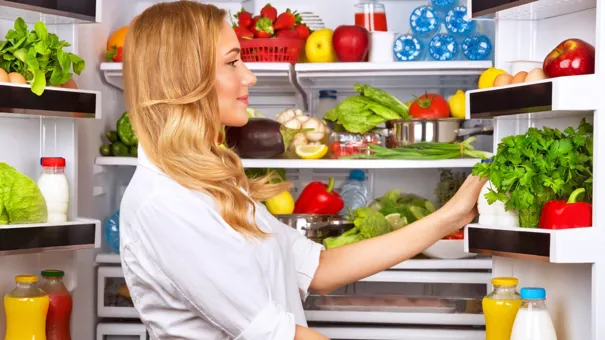

You’ve probably had the same moment most people have: You open the refrigerator, notice a container you don’t remember putting there, and try to decide if it’s still safe. The problem is that food doesn’t always give you a clear warning. Some things smell sour the instant they turn, while other foods can look and smell normal even when they’ve been in the fridge too long. That’s why it helps to rely on a few simple timeframes and storage habits instead of guessing based on appearance alone.
A refrigerator buys you time, but it doesn’t freeze time. (Pun intended.) Yes, cold temperatures slow down the growth of bacteria and mold, which is why leftovers don’t spoil overnight and raw ingredients can last for a considerably longer window than they would on the counter. But “slower” is not the same as “stopped.” If food sits long enough, it can still become unsafe. Let’s explore what this looks like in more detail.
The Temperature Rule
Before you talk about timelines, it’s worth checking one basic thing: How cold your fridge actually is. Many people assume their refrigerator is set correctly because it feels cold when they open the door. But small temperature differences matter. The general safety target is 40 degrees Fahrenheit (4 degrees Celsius) or colder. If your refrigerator runs warmer than that, food can spoil faster than the typical guidelines suggest. Temperature swings also matter, which is why the door tends to be a weaker place to store foods like milk. It gets warmed slightly every time you open the refrigerator, and over a week, that adds up.
If you want a simple way to protect yourself from guesswork, put a small refrigerator thermometer on a shelf and check it occasionally.
Why Some Packaged Foods Last Longer Than Homemade
You may have noticed that certain packaged foods seem to stay fresh longer than you would expect. That’s because food companies often use packaging methods that slow down common causes of quality loss, including oxidation.
As NiGen explains, “Food processing companies use nitrogen in the packaging of perishable foods to increase shelf life and to rapidly freeze foods for long-term preservation. This application of nitrogen gas is critical in the food and beverage industry where nitrogen is used as an inert gas to prevent oxidation and maintain product freshness.” When oxidation is reduced, foods can maintain taste, color, and texture longer, which affects how “fresh” they seem when you open them.
Even with this, packaging doesn’t remove the need for good refrigerator habits. Once a package is opened, the clock changes because the food is exposed to air and to whatever bacteria are present in the environment. That’s why some foods seem to last a long time while sealed, but only a few days once opened.
How Long Leftovers Usually Last
When people ask how long food lasts in the fridge, they’re often thinking about leftovers. Cooked food is convenient, but once it cools and sits in the refrigerator, it becomes a “use it soon” item. In general, leftovers are best used within three to four days. That includes cooked meat, pasta dishes, soups, casseroles, cooked vegetables, and takeout you brought home. If you’re approaching day four and you already know you won’t get to it, freezing it sooner rather than later is usually the better move.
It also helps to think about the clock starting when the food is cooked, not when you remember to put it in a container you can see. If you cooked dinner on Monday and packed leftovers that night, those leftovers are not “new” on Wednesday just because they moved from a pot into a container. Labeling containers with a quick date can help.
Eggs and Dairy
Eggs and dairy create a lot of confusion because they’re almost always labeled with dates, and people usually treat those dates as a hard expiration. In reality, many dates on refrigerated products are more about quality than safety, and storage conditions affect how long something stays fresh. Eggs, for example, can often last a surprisingly long time when they’ve been kept consistently cold, but they won’t last as long if they’re stored in the door where temperatures fluctuate more.
For dairy products like milk and yogurt, one of the biggest factors is how they’re handled once opened. If a product stays cold, it usually lasts longer. If it’s left out on the counter during breakfast, returned to the fridge half-warm, or contaminated by a spoon that has been in someone’s mouth, it will turn faster.
Adding it All Up
Knowing how long food lasts in your refrigerator is a skill worth acquiring. However, you also need to recognize that it’s not a perfect science. At the end of the day, you have to make smart decisions that err on the side of caution. If you do this, you’ll significantly reduce your risk of getting sick.