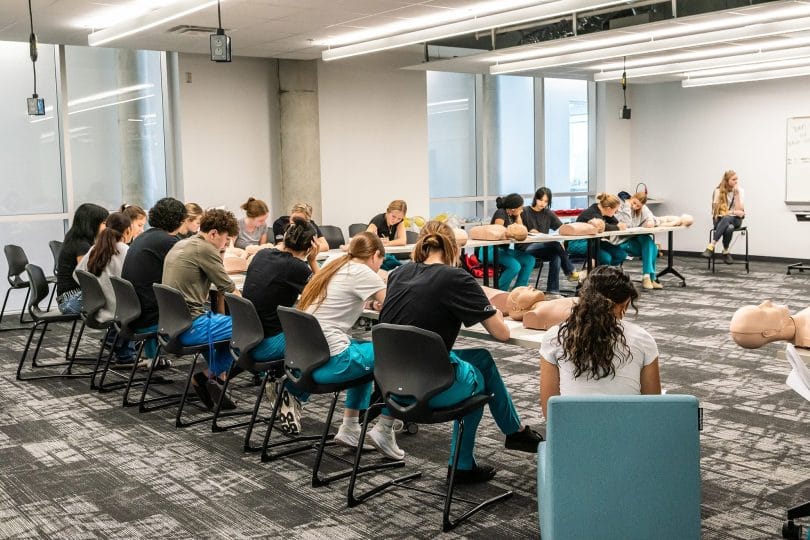

Hands-on Career and Technical Education (CTE) programs depend on instructors who can manage both instruction and technical environments. Welding booths, health labs, IT workstations, and construction shops require teachers who understand equipment procedures, safety protocols, and skill evaluation while guiding multiple students through practical tasks. As schools expand career pathways tied to industry certifications and workforce preparation, the expectations for CTE instruction continue to grow.
Many CTE teachers enter the classroom after years in the trades or technical professions, bringing valuable real-world experience with them. Turning that experience into effective instruction, however, requires structured teaching routines and clear lab management systems. Training that combines technical expertise with classroom strategies helps instructors break complex tasks into teachable steps, organize equipment safely, and monitor student performance during active, hands-on learning.
Contents
Industry Skills Meet Pedagogy
Lab equipment, shop tools, and clinical supplies set a different pace than a standard classroom, and teachers need planned support to handle both instruction and safety. Many instructors bring strong industry backgrounds, yet turning job tasks into student-ready lessons takes intentional preparation. Structured CTE training helps translate workplace habits into clear directions, appropriate tool setup, and practice routines students can follow without guesswork.
Clear instructional sequences give hands-on courses a dependable flow, especially when multiple students are working at once. A simple progression of demonstration, guided practice, and independent lab work helps teachers control timing, spot mistakes early, and keep skill practice consistent across groups. When these routines are trained and rehearsed, teachers can focus more on coaching quality and less on putting out small lab issues.
Structured Mentorship for New Teachers
Weekly check-ins with an experienced CTE mentor give new teachers a place to work through the day-to-day realities of lab instruction. The best support stays grounded in what happens during class, like setting a workable pace, planning how students rotate through stations, and deciding where tools and materials should live for quick access. Regular meetings keep these details from being left to trial and error.
Classroom observations add a second layer of support because they show what students actually see and hear during a demo and when they start independent work. Feedback can target small changes that make a big difference, such as tightening directions, adjusting where the teacher stands for visibility, or setting clearer signals for when students should stop and ask for a check. That steady guidance helps new instructors lead busy labs with more confidence each month.
Building Workforce-Aligned Curriculum
Local hiring needs and licensing rules show up quickly in CTE course plans, especially when students expect job-ready practice. Teachers can scan regional workforce reports, talk with employer partners, and check current certification outlines to see which skills carry weight. That keeps projects focused on tasks students will be asked to perform after graduation, not just what fits a textbook unit or a familiar routine.
Current shop-grade tools, software, and documented procedures make practice feel like the workplace without turning class into a job site. When lessons follow real process steps, students learn how to set up, execute, and clean up work to an accepted standard. Built-in checkpoints like a passable weld test, a verified wiring diagram, or a completed patient-care checklist give teachers proof of competence before new hazards or higher-level tasks enter the lab.
Professional Development That Sticks
Professional learning for CTE teachers works best when it connects directly to what happens inside the lab or shop. Training sessions that focus on real classroom scenarios—such as setting up safe tool demonstrations, organizing student workstations, or evaluating project outcomes—help instructors apply new strategies immediately. When professional development mirrors the workflow of technical classes, teachers can test ideas quickly and adjust instruction while students are actively practicing skills.
Ongoing collaboration also strengthens these efforts. Small teacher cohorts that share project plans, safety procedures, and equipment routines can compare how similar lessons perform across different programs. Reviewing student outcomes, troubleshooting lab management challenges, and refining assessment rubrics together keeps professional learning tied to real classroom results. Over time, these shared practices help maintain consistent expectations for safety, instruction, and skill evaluation across CTE programs.
Stronger Classrooms Start With Teachers
School-year timelines like semester starts, testing windows, and shop supply orders affect how well major lab projects run. Professional learning that matches those dates lets teachers prep safety reviews, tool setups, and skill rubrics before students touch equipment. When training arrives ahead of capstone builds or certification units, instructors can schedule practice time, confirm materials, and coordinate space use without last-minute changes.
Ready-to-use materials reduce prep load and keep classes consistent across sections. Safety checklists, project guides, and equipment procedures give teachers a shared baseline for expectations, cleanup, and sign-offs, including who can use which tools and what counts as acceptable work. Clear systems make it easier to spot gaps early, keep supervision tight, and protect student practice time so progress stays steady week to week.
Effective CTE classrooms depend on teachers who can combine technical knowledge with clear instructional structure. Strong preparation helps instructors manage equipment safely, organize lab routines, and guide students through skill practice that reflects real workplace expectations. Mentorship, workforce-aligned curriculum planning, and ongoing professional development give teachers practical systems for leading busy labs while maintaining consistent supervision and assessment. When schools invest in structured training and support for CTE educators, students gain safer learning environments, clearer instruction, and stronger preparation for technical careers after graduation.