
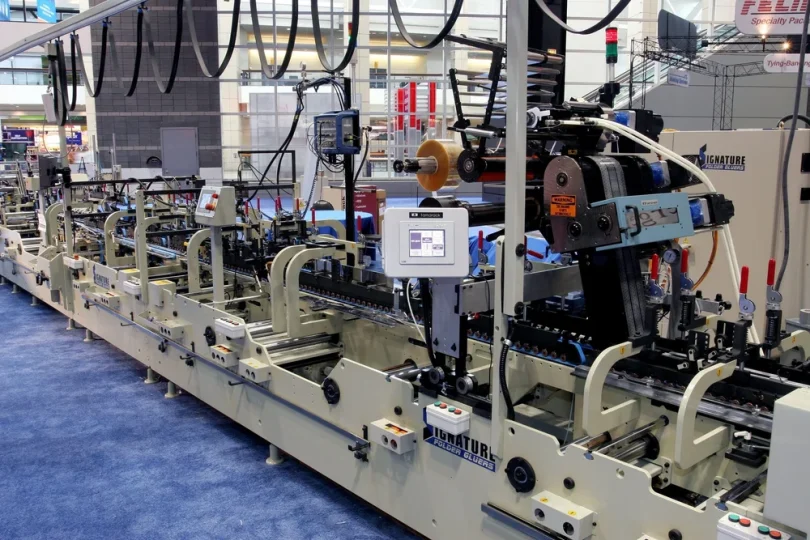

In-line window patching systems are a core part of modern packaging production, especially in industries that rely on cartons with transparent viewing panels. From food and retail packaging to specialty products, these systems allow manufacturers to integrate clear film windows directly into paperboard or corrugated materials without interrupting workflow. While the finished result looks simple, the process behind it involves precise coordination between mechanical handling, adhesive application, and material alignment.
What “In-Line” Really Means in Production
The term “in-line” refers to the integration. Here, instead of patching windows as a separate step, the process occurs within the main converting or finishing line; cartons or sheets move continuously through multiple stations where cutting, gluing, and film placement happen in sequence. This arrangement eliminates the need for secondary handling, reducing labor, material movement, and potential alignment errors. And for high-volume production environments, the ability to apply windows without stopping the line significantly improves throughput and consistency.
The Role of Die-Cutting in Window Preparation
Before a window patch can be applied, an opening must exist in the carton blank or sheet. Die-cutting stations create these openings with precision. The shape, size, and location are determined during the packaging design phase and executed during production. Accurate die-cutting is essential in these types of operations; if openings are inconsistent or misaligned, downstream patching systems cannot compensate fully. High-quality cutting ensures that film patches bond properly and appear uniform across production runs.
Material Handling and Registration
Once the die-cut sheets reach the patching station, they must be positioned precisely. That’s why conveyors, guides, and sensors control movement so each piece aligns correctly before film application. Registration systems monitor position and timing continuously, and optical or mechanical detection ensures that film placement corresponds exactly with the cut opening. Even slight deviations could result in misapplied patches or wasted material.
Adhesive Application Techniques
Adhesive is applied to secure the transparent film to the packaging material. Depending on system design and application requirements, adhesive may be delivered through rollers, spray systems, or patterned applicators. Precision is critical here as well; too much adhesive can cause smearing or bleed-through, while too little can compromise bond strength. Thankfully, modern systems regulate adhesive volume and placement carefully to ensure a clean appearance and reliable adhesion.
Film Feeding and Placement
Transparent film (usually a plastic-based or specialized packaging film) is fed from rolls into the patching station. The system cuts patches to size and positions them over the adhesive-coated area. Mechanical arms, vacuum systems, or pressure rollers ensure the film settles correctly against the substrate. The placement must be synchronized with sheet movement to avoid wrinkles, bubbles, or misalignment.
Bonding Through Pressure and Contact
After placement, pressure is applied to bond the film securely. Rollers or compression mechanisms press the patch into the adhesive layer, ensuring full contact. This step completes the physical integration of the window patch into the packaging material. Proper bonding prevents lifting, curling, or detachment during later folding, filling, or shipping stages. The bonding process must balance firmness with care to avoid distorting the material or damaging the film.
Integration With Downstream Processes
One of the defining strengths of in-line patching is seamless transition to subsequent steps. After patching, sheets continue directly to printing, folding, gluing, or finishing operations; this continuity minimizes handling and reduces risk of contamination or damage. It also shortens production timelines, allowing manufacturers to move efficiently from raw materials to finished packaging.
Automation and Control Systems
Modern in-line window patching systems rely heavily on automation. Programmable controls manage speed, alignment, adhesive flow, and film cutting with high precision. Operators monitor system performance through digital interfaces that display metrics and alerts, and adjustments can often be made without halting production, maintaining efficiency while preserving quality.
Quality Assurance Considerations
Quality monitoring is built into many systems through sensors and visual inspection tools, detecting misalignment, insufficient adhesion, or film irregularities. Early detection prevents defective products from continuing through the line, and maintaining consistent patch quality protects both brand presentation and functional performance. Reliable quality assurance supports customer expectations and reduces waste.
Why In-Line Systems Improve Efficiency
Compared to off-line patching, in-line systems streamline production. Eliminating separate patching stages reduces labor requirements, material handling, and setup time. Continuous processing allows higher output rates and more predictable scheduling; for operations producing large volumes of windowed cartons, this efficiency can translate into significant cost savings.
Why In-Line Window Patching Matters
In-line window patching systems deliver that coordination; they integrate functionality into existing production flows, reduce waste, and support high-quality presentation. At a glance, a transparent window on packaging may seem minor. Yet achieving it efficiently and consistently requires careful coordination of cutting, adhesion, placement, and automation. For manufacturers seeking speed, reliability, and scalability, these systems are more than a convenience; they are essential infrastructure supporting modern packaging demands.