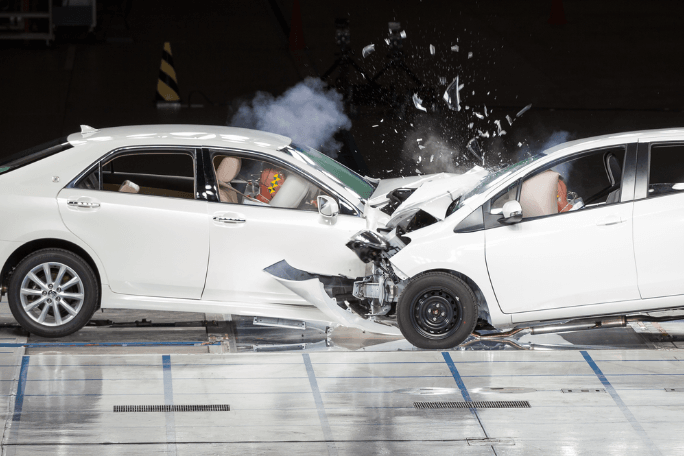

Head-on collisions are among the most catastrophic types of vehicle accidents, often resulting in severe injuries and life-altering consequences. While the immediate physical injuries from such accidents, like broken bones or internal trauma, are readily visible, the long-term neurological injuries often go unrecognized. These types of injuries—particularly traumatic brain injuries (TBI) and spinal cord damage—can have lasting effects on a victim’s cognitive function, mental health, and daily life. Understanding the hidden impact of these injuries and how they complicate both recovery and legal claims is crucial for those who are involved in such accidents. This blog explores how head-on collision injuries can affect the brain and spinal cord, and how these injuries can complicate the victim’s path to recovery and legal claim.
Contents
- 1 Understanding the Neurological Injuries Caused by Head-On Collisions
- 2 The Long-Term Effects of Neurological Injuries on Cognitive Function and Mental Health
- 3 How Long-Term Neurological Injuries Complicate Recovery and Legal Claims
- 4 Conclusion: The Hidden Toll of Head-On Collision Injuries and the Path to Recovery
Understanding the Neurological Injuries Caused by Head-On Collisions
Traumatic Brain Injuries (TBI)
One of the most common and dangerous outcomes of head-on collisions is traumatic brain injury. A TBI occurs when the brain is jolted or struck forcefully, leading to internal damage. In head-on accidents, the sudden force of impact can cause the brain to move violently within the skull, leading to bruising, bleeding, or even permanent damage to brain tissue. There are varying levels of severity for TBIs, from mild concussions to more severe forms like contusions and even penetrating brain injuries.
The long-term effects of a TBI can be devastating. Victims often experience cognitive challenges, such as memory loss, difficulty concentrating, and problems with speech or decision-making. In some cases, TBIs can lead to profound changes in personality, mood swings, and an inability to perform everyday tasks. These long-term effects can severely disrupt the victim’s ability to return to work or engage in social activities, significantly impacting their quality of life.
Spinal Cord Injuries (SCI)
Another common outcome of head-on collisions is spinal cord injury, which can result in partial or total paralysis. The impact of a head-on collision can cause the spinal cord to be compressed, torn, or severed, often leading to lifelong disability. Quadriplegia (paralysis from the neck down) and paraplegia (paralysis from the waist down) are the most severe forms of spinal cord injuries and can leave the victim dependent on others for basic care.
In addition to the physical challenges, victims with spinal cord injuries often face emotional and psychological burdens. The need for ongoing medical care, rehabilitation, and the potential for home modifications to accommodate new mobility limitations can be overwhelming. The financial strain of such an injury, along with the profound changes in lifestyle, makes it one of the most difficult aspects of head-on collision injuries.
The Long-Term Effects of Neurological Injuries on Cognitive Function and Mental Health
Cognitive Function Challenges
Head-on collisions can have long-lasting effects on a victim’s cognitive function. The damage caused by a TBI can lead to significant cognitive impairments, such as difficulty with memory retention, trouble concentrating, and challenges with problem-solving or decision-making. Victims may struggle to recall important details, focus on tasks, or complete complex activities that were once easy.
For many individuals, these cognitive issues are often not fully recognized until they attempt to return to work or engage in normal daily activities. This can lead to frustration, stress, and a loss of independence, making recovery feel even more difficult. Victims may also experience a significant emotional toll as they cope with the cognitive limitations caused by the injury.
Mental Health Consequences
In addition to the cognitive impairments, victims of head-on collisions often face mental health challenges. The trauma of the accident itself can lead to post-traumatic stress disorder (PTSD), anxiety, and depression. Victims may experience flashbacks, nightmares, or overwhelming anxiety when thinking about the crash or being in a car. For those dealing with long-term neurological injuries, the sense of loss and helplessness can lead to feelings of isolation and hopelessness.
The combination of physical disability, cognitive decline, and emotional distress often creates a complex and challenging recovery journey. Mental health support, such as counseling or therapy, is crucial to help victims cope with these emotional and psychological challenges.
How Long-Term Neurological Injuries Complicate Recovery and Legal Claims
Challenges in the Recovery Process
The recovery process for victims of TBI and spinal cord injuries is often long and unpredictable. Unlike visible physical injuries, the recovery from neurological damage can involve a combination of rehabilitation, therapy, and regular medical check-ups, which may continue for years. Some victims experience improvements in their condition over time, while others face ongoing challenges.
Moreover, the uncertainty of recovery outcomes complicates the process, making it difficult to predict the future needs of the victim. This uncertainty is a key factor in legal claims, as the full extent of damages may not be apparent immediately after the accident.
Complications in Legal Claims
The long-term nature of neurological injuries makes them difficult to prove in legal claims. In many cases, insurance companies and defendants attempt to minimize the long-term impacts of TBI or spinal cord injuries, arguing that the victim’s recovery is complete or will soon plateau. This is where an experienced lawyer becomes essential. An attorney can help ensure that all future medical costs, rehabilitation expenses, and emotional distress are properly accounted for in the claim, so victims can receive fair compensation.
Conclusion: The Hidden Toll of Head-On Collision Injuries and the Path to Recovery
Head-on collisions often lead to severe and life-changing neurological injuries, such as traumatic brain injuries and spinal cord damage. These injuries can affect victims for years, leading to cognitive impairments, emotional challenges, and physical disabilities. Understanding the long-term impact of these injuries is essential for victims who seek fair compensation.
If you or a loved one has been involved in a head-on collision and suffered neurological injuries, it is important to seek not only medical care but also the assistance of an experienced attorney. A skilled professional can help you navigate the complexities of the legal process, ensuring that your long-term needs are considered and that you receive the compensation you deserve for both the physical and emotional toll of the injury.