
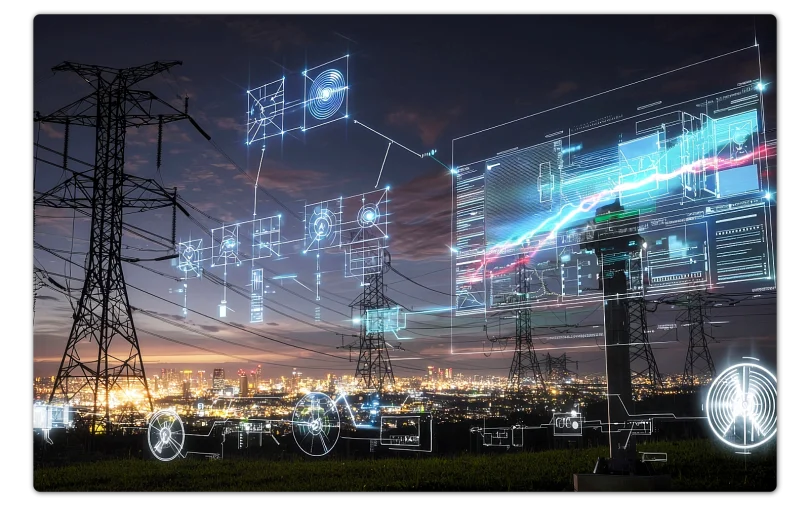

Utility networks sprawl across cities, substations, pipelines, and customer homes, making it hard for operators to know which transformers are running hot, which valves are wearing out, or which poles are one lightning strike away from failure. When the picture is blurry, maintenance turns reactive, costs climb, and customers feel the outages first.
Sharper asset-condition tracking begins with the simple premise that you cannot fix what you cannot see and should not guess what you could measure. The path forward is not one silver-bullet gadget but a disciplined system that converts scattered signals into timely, trustworthy insight.
Contents
Clarify the Health Signals You Already Have
Most utilities sit on mountains of inspection logs, work orders, and sensor pings, yet only a fraction turns into actionable intelligence. The first step is to clean, connect, and label that information so engineers can spot what matters without digging through spreadsheets at midnight. EAM software provides the backbone by lining up asset hierarchies, standardizing failure codes, and timestamping every intervention.
Once data lives in a single map instead of ten folders, companies can rank assets by criticality, compare run-to-failure costs against preventive intervals, and finally retire gut-feel maintenance schedules that were inherited from manuals older than the equipment itself.
Pair Real-Time Sensors With Predictive Analytics
Installing modern sensors on aging infrastructure may sound like putting a smartwatch on a grandfather clock, but the payoff is immediate: temperature, vibration, pressure, and load readings stream in continuously rather than quarterly. That constant feed powers predictive models that look for patterns humans miss, such as a subtle vibration signature that always precedes a bearing seizure.
By combining physics-based rules with machine-learning algorithms trained on historical failures, utilities can shift from monthly inspections to alerts that flag specific components days—or hours—before they cross a danger threshold. The goal is not to drown staff in alarms; it is to surface the rare anomalies that warrant a truck roll.
Close the Gap Between Field Teams and the Control Room
Condition data loses value every minute it stays hidden in a clipboard or a technician’s memory. Giving line crews rugged tablets that sync notes, photos, and infrared images directly to the control room creates a live feedback loop: planners see the ground truth, and crews receive up-to-date work scopes instead of outdated paper prints.
When field observations automatically update the asset record, planners can spot systemic issues—such as a batch of transformers corroding faster than expected—before those issues turn systemic. Transparent, two-way information flow also boosts safety because crews know which assets are energized, which streets will be excavated, and which circuits must stay live for a hospital down the block.
Make Data-Driven Maintenance the Default
Robust tracking only pays off when it changes how decisions are made. Utilities that embed condition scores into budgeting cycles can justify replacing a fleet of breakers that show accelerating wear, even when none have failed yet. Dashboards that combine cost, risk, and performance help executives see why deferring a repair this quarter may double outage penalties next year.
Meanwhile, automated work-order triggers let schedulers bundle tasks by location, reducing windshield time and carbon emissions. Over time, the organization shifts its mindset: instead of asking whether maintenance is affordable, leaders ask whether unplanned downtime is acceptable. The difference is not just semantic; it is strategic.
Conclusion
Utility infrastructure may last decades, but the information around it must move at digital speed. By unifying historical records, layering real-time sensor data, empowering field crews, and tying analytics to budget decisions, utility companies can see asset health in high resolution and act before small defects snowball into blackouts.
Effective condition tracking is less about buying the flashiest device and more about creating an ecosystem where every data point has a job and every decision has evidence. When that ecosystem clicks, reliability goes up, costs go down, and customers barely notice—because the lights stay on.