

The auto transport industry moves quietly in the background of American life. Most people never think about it until they need it – and then, suddenly, they need to understand an entire market in the space of a few days. A job relocation comes through with a two-week notice. A car purchase closes on a vehicle sitting in a dealership 1,800 miles away. A seasonal move requires getting a vehicle from one coast to the other without putting thousands of unnecessary miles on the odometer. In each of these situations, the auto transport industry steps in to solve a problem that has no convenient alternative.
What most customers do not realize is that they are engaging with one of the more complex logistics markets in the United States – a fragmented, dynamic industry where prices shift daily, quality varies enormously between providers, and the difference between a smooth experience and a frustrating one often comes down to decisions made before a single contract is signed. Understanding how the industry works in 2026, what is driving current pricing, and how to evaluate providers intelligently is not just useful knowledge. It is the difference between a transaction that goes exactly as planned and one that does not.
Contents
The Structure of the Auto Transport Market
Before examining current trends, it helps to understand the basic architecture of the industry. Auto transport in the United States operates through two distinct types of companies: carriers and brokers.
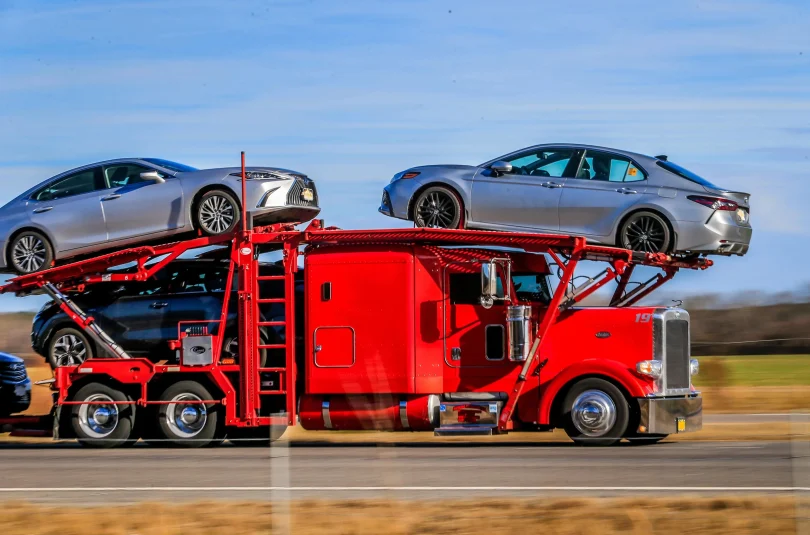
Carriers are the companies and owner-operators who own and drive the actual trucks. A typical open carrier hauls between six and ten vehicles on a single trailer, following routes that range from local regional circuits to coast-to-coast cross-country hauls. Carriers set their own rates based on fuel costs, route demand, equipment availability, and the specific characteristics of the vehicles they are moving. Most carriers specialize in particular corridors or regions, which means no single carrier can efficiently service every route in the country.
Brokers fill the gap that this geographic fragmentation creates. A broker does not own trucks – they maintain networks of vetted carriers and use those networks to match customer shipments with available drivers. When you request a quote from most of the companies you will find online, you are almost certainly speaking with a broker. The broker adds their margin to the carrier’s rate, handles the customer-facing communication, and manages the logistics of the transaction. For customers, working with a broker often produces better pricing than going directly to a single carrier, because a broker can shop your shipment across dozens or hundreds of drivers to find the most competitive available rate on your specific route.
Understanding this structure matters because it shapes how you evaluate quotes and what questions you ask. A price from a broker is not the same as a price from a carrier, and knowing which type of company you are dealing with helps you assess what you are actually buying.
Key Trends Shaping the Industry in 2026
Several significant forces are reshaping the auto transport market heading into 2026, and they have direct implications for customers in terms of pricing, availability, and service quality.
Electric vehicle growth is one of the most consequential trends affecting carrier operations. EVs now represent a meaningful share of new vehicle registrations, and their transport requirements differ from conventional vehicles in ways that affect pricing and logistics. Electric vehicles are generally heavier than their gasoline counterparts due to battery weight, which affects how many vehicles a carrier can load on a single trailer before hitting weight limits. Many carriers have introduced EV-specific handling protocols and, in some cases, EV surcharges that reflect the additional complexity. If you are shipping an electric vehicle, confirm upfront whether the carrier has experience with EVs and whether any additional fees apply.
Market consolidation has continued to reshape the competitive landscape. The industry has historically been dominated by small operators and independent owner-operators, but the past several years have seen accelerating consolidation as larger broker networks absorb smaller competitors and technology platforms raise the barrier to entry. The practical effect for customers is a reduction in the extreme low-end pricing that was occasionally available from marginal operators, combined with a general improvement in baseline service standards and insurance coverage among established providers.
Technology integration has transformed the customer experience in ways that were not possible even five years ago. Real-time tracking, digital Bill of Lading processing, automated quote comparison platforms, and mobile-first booking interfaces have all become standard features among competitive providers. Customers now expect the same level of transparency and communication from auto transport that they receive from package delivery services, and companies that cannot provide it are losing business to those that can.
Fuel price volatility remains a persistent pricing driver. While fuel costs have stabilized relative to the extreme swings of the early 2020s, they remain elevated compared to pre-pandemic baselines and continue to represent one of the largest variable costs in carrier operations. Most carriers build fuel surcharges into their quoted rates rather than itemizing them separately, which means the price you see already reflects current fuel conditions – but it also means that sudden fuel price movements can affect quote validity windows, which are typically 24 to 72 hours for competitive pricing.
Driver shortage continues to constrain capacity on certain routes and during peak periods. The trucking industry broadly has faced persistent challenges recruiting and retaining qualified drivers, and the auto transport sector is not immune. On popular corridors with high carrier frequency, this has minimal impact on pricing or availability. On less-traveled routes – particularly those involving rural or remote pickup and delivery points – driver availability can be a genuine constraint that pushes prices higher and extends transit times.
Understanding 2026 Pricing
The cost of shipping a vehicle in 2026 is driven by a combination of market forces and vehicle-specific variables. Knowing what goes into the number helps you evaluate quotes accurately and identify where you have room to influence the outcome.
Distance is the most obvious variable but operates non-linearly. Longer hauls cost more in absolute terms, but the price per mile decreases as the distance grows because fixed costs – loading, unloading, insurance, and administrative processing – are spread across more miles. A 2,000-mile shipment will cost significantly more than a 500-mile shipment, but it will not cost four times as much.
Route density affects pricing in ways that surprise most first-time customers. Shipping between two major metros is almost always cheaper than shipping between smaller cities or rural areas, because carriers run high-density corridors constantly and can fill their trailers efficiently. Off-corridor routes attract fewer drivers and command a premium for last-mile service.
Vehicle size and type directly affect the carrier’s economics. A compact sedan occupies one slot on a trailer efficiently. A full-size pickup truck, a large SUV, or a vehicle with aftermarket modifications – a lift kit, oversized tires, or a roof rack – may occupy more space, require special loading equipment, or push the trailer’s weight limit, all of which increase the rate. Always disclose vehicle modifications accurately when requesting quotes.
Transport type remains one of the most impactful choices available to customers. Open transport – the multi-car trailers that carry the majority of vehicles shipped in the United States – is the industry standard and the most affordable option. Enclosed transport offers full protection from weather and road debris at a premium of 40% to 60% above open rates and is generally justified only for luxury, classic, or high-value collector vehicles.
Timing continues to be one of the variables customers most frequently overlook. Early summer is consistently the most expensive period in the market. The snowbird migration creates secondary demand spikes on specific north-south corridors in fall and spring. Shoulder periods – mid-fall and late winter – tend to offer the most competitive rates. Customers with timeline flexibility who can shift a shipment by two to three weeks during peak periods can often achieve meaningful savings without any other change to their requirements.
How to Evaluate a Quote
Collecting quotes is easy. Evaluating them accurately requires knowing what to look for beyond the headline number.
The first and most important question for any quote is whether the price is guaranteed or an estimate. Binding quotes lock in your rate at the time of booking. Estimates can change based on carrier availability at the time of dispatch – and during peak periods, they frequently do. The bait-and-switch pattern, where a company quotes a low estimate to secure a deposit and then requests additional payment days later claiming they cannot find a driver at the original rate, is a documented and persistent problem in this industry. Protecting yourself starts with asking explicitly whether the quoted price is guaranteed.
Insurance terms deserve careful attention. Federal regulations require carriers to maintain minimum cargo insurance, but coverage limits vary considerably between providers. Before signing any contract, confirm what the carrier’s insurance covers, what the per-vehicle limit is, what the deductible is, and what the process is for filing a damage claim. A reputable auto transport service will answer these questions completely and provide documentation without needing to be asked twice.
Verification is non-negotiable. Every provider you consider seriously should have their MC Number – their Motor Carrier number – checked on the Federal Motor Carrier Safety Administration website before you commit. This free public search confirms that the company is legally authorized to operate and carries current insurance. The check takes less than two minutes and eliminates a significant category of risk.
Independent reviews on the Better Business Bureau, Trustpilot, and Google provide pattern-level insight that individual interactions cannot. Look for consistency across dozens or hundreds of reviews rather than reacting to individual data points. Companies that communicate reliably, deliver within the promised window, and handle problems professionally will demonstrate it clearly in their review history. Companies that low-ball estimates and create problems at dispatch will show that pattern equally clearly.
Building a Shortlist and Making a Decision
The practical process of choosing a carrier should involve collecting three to five detailed, written quotes from providers whose MC Numbers you have verified and whose review histories you have examined. Compare those quotes not just on price but on the specificity of the contract terms, the clarity of the insurance coverage, the guaranteed versus estimated nature of the pricing, the estimated transit window, and the quality of communication you experienced during the quoting process.
Weight each of those factors against the others with a clear sense of your own priorities. If your timeline is fixed and delay would cause genuine problems, prioritize providers with strong on-time delivery records even if their price is slightly higher. If you are shipping a high-value vehicle, prioritize insurance coverage and enclosed transport options over cost. If you are working with a tight budget on a flexible timeline, the cost variable can carry more weight – but never at the expense of MC verification and basic due diligence.
The auto transport industry in 2026 rewards customers who do their homework. The tools available – public carrier databases, independent review platforms, competitive quote comparison – make it easier than ever to distinguish reliable providers from unreliable ones before a single dollar changes hands. Use them, ask the right questions, and the transaction is far more likely to go exactly as planned.