
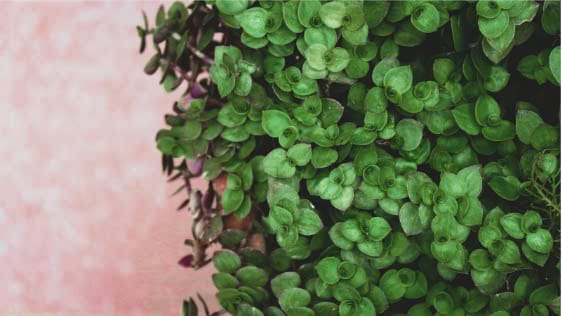

Living walls have emerged as a transformative trend in interior and exterior design, offering a unique blend of aesthetic appeal and environmental benefits. These vertical gardens not only enhance the beauty of any space but also contribute to sustainability and well-being by improving air quality and promoting a connection with nature. As urban environments continue to grow, the importance of incorporating natural elements into daily life becomes increasingly vital.
Adopting living walls can lead to a more inviting atmosphere in both residential and commercial settings. By introducing greenery to walls, individuals can create calming environments that enhance mood, creativity, and productivity. This shift toward biophilic design reflects a broader appreciation for integrating nature into built spaces.
Exploring the myriad ways living walls can transform environments reveals their potential to foster healthier lifestyles. The combination of beauty, sustainability, and well-being underscores why living walls are a worthwhile investment for anyone seeking to elevate their surroundings.
Contents
The Concept of Living Walls
Living walls, both aesthetically appealing and ecologically beneficial, represent a unique integration of nature into built environments. They serve as a bridge between architecture and greenery, impacting urban spaces positively while contributing to mental and environmental health.
Historical Background
The legacy of living walls can be traced back to ancient civilizations, where plants adorned structures for both beauty and function. The Hanging Gardens of Babylon, one of the Seven Wonders, illustrate early examples of vertical gardens.
In modern history, interest surged during the late 20th century, with pioneers like Patrick Blanc popularizing vertical greenery. His innovations in urban environments sparked a transformation in architecture, blending organic elements with contemporary design. This growth continued into the 21st century as sustainability became a global focus.
Defining Living Walls
Living walls, also referred to as vertical gardens or green walls, are structures that support growing plants vertically. They can fit into various settings, from urban buildings to residential homes.
Typically, these systems utilize modular panels or a complete wall structure to house a variety of plant species. Key aspects include irrigation systems, nutrient support, and suitable substrates for plant growth.
Living walls not only enhance aesthetic appeal but also improve air quality and provide insulation. They create microenvironments that support biodiversity, making them a crucial element in sustainable architecture.
Benefits of Living Walls
Living walls offer numerous advantages that enhance both the environment and the spaces they occupy. Their contributions span aesthetic improvements, positive environmental impacts, and benefits for health and well-being.
Aesthetic Enhancement
Living walls transform ordinary environments into vibrant, visually appealing spaces. They serve as unique focal points, attracting attention and creating a sense of tranquility.
Researchers have noted that greenery, particularly when integrated into urban design, elevates mood and encourages creativity. Incorporating a variety of plants amplifies this effect, as diverse textures and colors provide visual interest year-round.
Whether in residential, commercial, or public spaces, the presence of living walls fosters a connection to nature. This connection is crucial in urban settings, where natural elements often feel limited.
Environmental Impact
Integrating living walls into buildings directly contributes to improved air quality. Plants absorb carbon dioxide and release oxygen, helping mitigate pollution levels in urban environments.
Moreover, living walls can regulate building temperatures. They provide insulation, reducing the need for heating and cooling. This sustainable approach not only conserves energy but also lowers operational costs.
Additionally, living walls contribute to biodiversity, offering habitats for various species. This enhanced biodiversity can lead to healthier ecosystems even in densely populated areas.
Health and Well-being
Public health studies indicate that exposure to greenery significantly enhances mental well-being. Living walls can reduce stress, improve mood, and even boost productivity.
The presence of plants is linked to lower instances of anxiety and depression. Aesthetic improvements in spaces, thanks to living walls, can improve overall satisfaction with the environment.
Furthermore, living walls can improve indoor air quality, benefiting physical health. Cleaner air translates to fewer respiratory issues and allergies, supporting a healthier living environment.
Design and Implementation
Creating a living wall involves careful planning and a focus on the right elements to ensure its success. Key aspects include selecting appropriate plants, addressing structural needs, and establishing a maintenance routine.
Choosing the Right Plants
Selecting plants for a living wall requires consideration of light, humidity, and intended aesthetic. It is essential to choose species that thrive in vertical environments.
Recommended Plant Types:
- Foliage Plants: Ferns and ivy for lush greenery.
- Flowering Plants: Bougainvillea and orchids for color.
- Herbs: Basil and mint add fragrance and utility.
A mix of plants with varying heights and textures enhances visual interest. Native species often require less maintenance and provide ecological benefits.
Structural Considerations
The design must support the weight and volume of the plants, growing medium, and water. An appropriate frame and installation method are crucial.
Key Points:
- Support Systems: Use robust materials like steel or PVC.
- Irrigation System: Incorporate a drip system for consistent moisture.
- Waterproofing: Ensure the wall and surface area are protected against water damage.
Proper planning with structural engineers can ensure longevity and durability in urban settings, where space is limited.
Maintenance and Care
Regular maintenance is vital for the health and appearance of living walls. This includes watering, pruning, and replacing dead plants as needed.
Essential Tasks:
- Watering: Check moisture levels; automate irrigation if possible.
- Fertilization: Use organic fertilizers to promote growth.
- Pruning: Trimming helps maintain shape and encourages growth.
Creating a maintenance schedule will aid in sustaining the wall’s aesthetics and functionality. Regular inspections for pests and diseases are also recommended.