
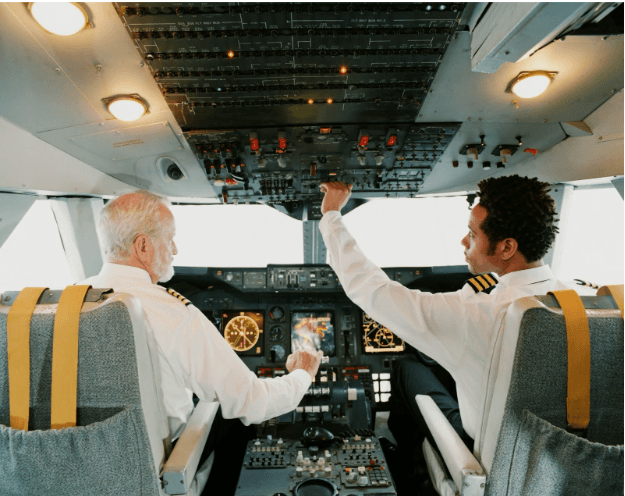

Becoming a Certified Flight Instructor (CFI) offers aspiring aviators a structured path to accumulate flight time while developing the necessary leadership and teaching skills. CFIs often serve as the bridge between student pilots and professional aviation careers, guiding pupils through critical phases of training.
Along the way, instructors sharpen their own abilities—both in flying and communication—while staying current with changing FAA standards. As Duke Valentour knows, the role requires constant adaptability, a commitment to safety, and a passion for lifelong learning.
Contents
Becoming a Certified Flight Instructor
A Certified Flight Instructor, or CFI, plays a key role in shaping the next generation of pilots. Their job goes beyond flying—they are responsible for teaching, evaluating, and preparing students to meet FAA standards for private, commercial, and instrument ratings.
To become a CFI, a pilot must first earn a private pilot license, followed by a commercial license, before completing instructor-specific training. This process includes both written exams and check rides with FAA-designated examiners. Training costs and timelines vary, but generally take several months and require a strong commitment of time and resources.
Many pilots choose the CFI route to gain valuable flight hours while building experience in a structured setting. Along the way, they refine their skills while guiding others through the complexities of aviation.
Academic Foundations and Flight Readiness
Ground school lays the foundation for every aspiring pilot. Topics such as aerodynamics, weather theory, navigation, and FAA regulations are introduced early, forming the knowledge base needed before taking the controls in flight. This academic groundwork ensures students have the context to understand aircraft systems and airspace procedures.
Although many student pilots grasp theory quickly, applying that knowledge in the cockpit can be overwhelming at first. CFIs help bridge that gap by reinforcing classroom lessons during pre-flight briefings and in-flight scenarios. One learner might struggle with weight and balance calculations, while another finds radio communication challenging—each case requires a tailored approach.
This phase is where students begin to connect technical knowledge with real-time decision-making. The transition isn’t always smooth, but it’s a critical part of becoming a safe and competent pilot.
Transitioning from Student to Instructor
Becoming a flight instructor means shifting from being the one asking questions to being the one who provides answers. This transition challenges pilots not just to master concepts, but to explain them clearly and confidently to others.
Some CFIs gain early teaching experience by sitting in on lessons or assisting with pre-flight walkthroughs during their training. These moments offer valuable insight into how different students learn and how instructors manage real-time decisions. It’s not uncommon for new instructors to feel unsure at first, but with practice, their teaching style becomes more natural.
Working as a Flight Instructor
A typical day for a flight instructor involves more than just flying. They often start with weather checks, pre-briefings, and aircraft inspections before ever leaving the ground. Between flights, there’s time spent reviewing student progress, discussing maneuvers, and preparing for the next lesson.
Instructors must balance flight time with ground instruction, ensuring students understand the theory and the practical application of each concept. One hour in the sky might be preceded by several on the ground, walking through procedures or reviewing mistakes from a previous flight. At times, instructors also participate in simulator sessions, especially when weather conditions prevent actual flying.
Safety is always a priority. Instructors are constantly evaluating conditions, aircraft performance, and student behavior. Even in routine flights, they must be prepared to intervene, troubleshoot, or take over to maintain control and ensure instruction resumes under safe circumstances.
Skills Needed for Effective Instruction
A successful CFI relies not only on aviation knowledge but also on soft skills like communication, patience, and adaptability. Teaching someone to fly means working with different personalities and learning styles. One student may pick up crosswind landings quickly, while another needs extra time to feel comfortable with radio calls.
Understanding FAA regulations is paramount, but knowing how to convey that information without overwhelming a student is what sets great instructors apart. Some days require simplifying complex topics; others demand the ability to remain calm during a student’s mistake while turning it into a learning opportunity.
Career Growth and Industry Outlook
Flight instruction is often a stepping stone. Many pilots use their time as a CFI to accumulate the flight hours needed for airline or corporate flying roles. It’s a path that not only builds technical skill but also sharpens decision-making and leadership abilities.
Instructors can also pursue specialized ratings, such as instrument or multi-engine instruction, to diversify their experience and open new doors. Some choose to remain in training roles long-term, eventually moving into positions like chief instructor or flight school manager. Others may branch into aviation consulting, curriculum design, or even aviation safety roles depending on their interests.
The demand for pilots remains steady, and with it, the need for qualified instructors. As aviation continues to grow globally, flight instructing offers both a reliable starting point and a meaningful career in its own right.