
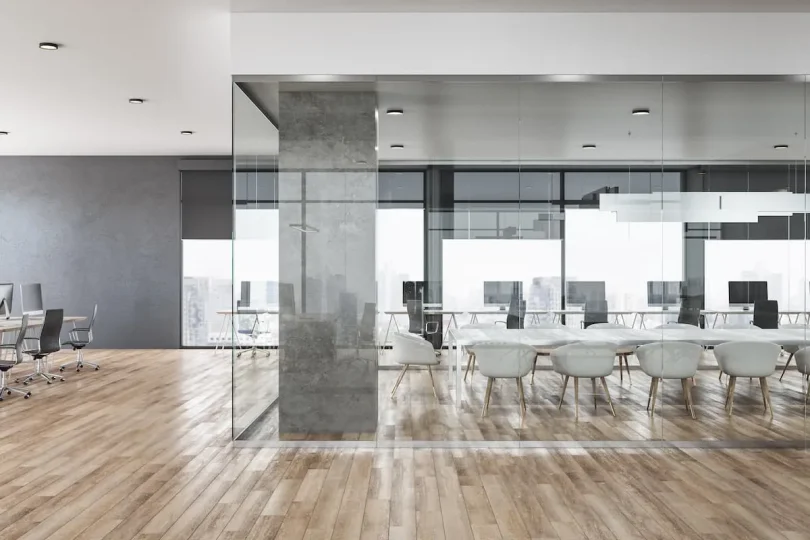

Choosing the right flooring for a commercial space goes far beyond picking a color or pattern. In high-traffic environments, durability, performance, and long-term value are just as important as aesthetics. That’s why working with a trusted Commercial Flooring Buckinghamshire provider is essential. The right professional not only supplies quality materials but ensures that every plank, tile, or carpet fiber is installed with precision. From understanding the differences between vinyl wear layers to evaluating carpet density and laminate water resistance, superior flooring is the result of careful choices and expert craftsmanship.
Contents
- 1 Understanding Material Quality
- 2 The Role of Brand and Origin
- 3 Backing and Support Systems
- 4 Warranties and Peace of Mind
- 5 The Importance of Professional Installation
- 6 Durability Meets Design
- 7 Evaluating Long-Term Value
- 8 Custom Solutions for Unique Spaces
- 9 Maintenance and Longevity
- 10 Safety and Compliance
- 11 The Bottom Line
Understanding Material Quality
Not all flooring materials are created equal, and knowing what sets one apart from another is the first step in making a wise investment. Carpets, for example, vary widely in fiber type, density, and durability. Higher-density fibers resist matting and wear longer, making them ideal for busy offices or retail spaces. Meanwhile, vinyl flooring should be evaluated for its wear layer thickness and composition, as these factors directly impact longevity and resistance to scratches or scuffs.
Wood and laminate offer yet another layer of complexity. Plank thickness, surface coatings, and water resistance all influence how well the floor performs over time. Choosing the right product isn’t just about aesthetics, it’s about understanding which materials will withstand daily wear while retaining their visual appeal. Experienced contractors can guide decisions based on traffic patterns, environmental conditions, and long-term maintenance expectations, ensuring that every choice supports both function and style.
The Role of Brand and Origin
While material type is critical, the brand and origin of the product also play a significant role in quality. Established manufacturers with strong reputations consistently produce reliable materials that meet rigorous standards. Knowing the country of origin can provide insight into manufacturing processes, durability, and warranty coverage. Investing in high-quality branded products may carry a higher initial cost, but the long-term value often outweighs the price difference, reducing the need for repairs or early replacement.
Backing and Support Systems
For carpets and rugs, backing density and composition are just as important as fiber quality. Dense backing provides stability, prevents premature wear, and helps the flooring maintain its shape and appearance over time. Similarly, foam used in the backing should ideally be new rather than recycled to ensure resilience and longevity. These technical details might seem minor, but they contribute to the overall performance of the flooring and the comfort of those walking across it daily.
Vinyl and laminate products also depend on robust underlayment or support layers. Proper installation on a stable, level base prevents buckling, gaps, or squeaks, ensuring the surface remains smooth and safe. A professional team evaluates the subfloor and recommends the best combination of materials to optimize performance and aesthetics.
Warranties and Peace of Mind
High-quality commercial flooring often comes with comprehensive warranties, which reflect the manufacturer’s confidence in the product. These guarantees cover everything from wear and tear to manufacturing defects, providing reassurance that your investment is protected. A reliable contractor not only recommends products with strong warranties but also ensures that installation meets the conditions required to maintain that coverage.
Understanding warranty terms is crucial. Some warranties only apply if specific adhesives or installation techniques are used, while others may cover a wider range of conditions. Experienced professionals navigate these details, ensuring clients receive the full benefits of their investment.
The Importance of Professional Installation
Even the highest-quality flooring will underperform if installed incorrectly. Precision and expertise are essential, particularly for commercial spaces where safety, durability, and appearance are paramount. Certified professionals bring the right tools, techniques, and knowledge to every project, handling everything from measuring and cutting to securing and finishing the surfaces.
Installation is not just about placing tiles or planks. It involves careful preparation of the subfloor, proper alignment, and attention to expansion gaps and transitions. This meticulous process prevents common issues such as warping, buckling, or uneven wear. In commercial environments, where floors endure constant traffic, professional installation ensures that surfaces remain functional and visually appealing for years.
Durability Meets Design
Quality commercial flooring balances strength with style. Clients no longer need to compromise between aesthetics and durability. Modern materials offer innovative finishes, textures, and colors that stand up to heavy use without sacrificing design integrity. From textured vinyl that resists scratches to polished wood that maintains its luster, the possibilities are extensive.
A well-designed floor complements the overall interior while enhancing usability. For example, carpets in office spaces can reduce noise and create warmth, while vinyl or laminate in retail environments can withstand spills, cleaning chemicals, and heavy footfall. Professionals help match materials to the specific needs of the space, ensuring both beauty and resilience.
Evaluating Long-Term Value
When comparing flooring options, it’s important to consider total cost of ownership, not just upfront expense. High-quality materials and expert installation reduce maintenance costs, extend the lifespan of the flooring, and maintain a professional appearance over time. Lower-quality options may seem economical initially, but they often require frequent repairs or replacement, ultimately costing more in both money and disruption.
A commercial flooring expert evaluates both short-term and long-term needs, helping clients choose products that deliver maximum value. Their guidance ensures that investments are smart, practical, and sustainable, meeting both functional requirements and budget expectations.
Custom Solutions for Unique Spaces
No two commercial spaces are alike, and flooring solutions should reflect the unique demands of each environment. High-traffic corridors, conference rooms, retail floors, and hospitality areas each have different requirements for durability, aesthetics, and comfort. Customized solutions, informed by professional assessment, optimize performance and create cohesive design schemes.
Customization may include combining materials for functional zoning, adding anti-slip coatings, or selecting finishes that highlight branding and ambiance. Professionals assess usage patterns, lighting, and aesthetic goals to recommend options that align with the client’s vision and operational needs.
Maintenance and Longevity
A floor’s longevity isn’t solely determined by the material; proper care and maintenance play an equally important role. Experienced contractors advise on cleaning techniques, protective treatments, and maintenance schedules tailored to each flooring type. For carpets, this may mean regular vacuuming and periodic deep cleaning, while vinyl or wood may require specific polishing or refinishing.
Proper maintenance preserves appearance, reduces wear, and helps sustain warranty coverage. Professionals provide guidance that ensures the flooring continues to look and perform its best over time, making it a reliable component of the overall commercial environment.
Safety and Compliance
In commercial settings, flooring choices must meet safety and regulatory standards. Slip resistance, fire ratings, and environmental compliance are critical considerations. Certified flooring professionals ensure that materials and installation techniques meet local regulations, protecting both occupants and business owners.
Proper installation contributes to safety by preventing tripping hazards, uneven surfaces, and material failures. These factors are especially important in spaces with high foot traffic, children, or vulnerable populations. Compliance with standards safeguards liability and creates a secure, professional environment.
The Bottom Line
From selecting the right materials to expert installation, superior commercial flooring is the result of careful planning, technical knowledge, and attention to detail. Every aspect, from fiber density and wear layers to warranties and maintenance, is interconnected, and working with a certified professional ensures that every factor is addressed.
Investing in quality materials and skilled craftsmanship pays off in long-term durability, aesthetic appeal, and peace of mind. The difference between a substandard floor and a superior one is more than just appearance; it’s about performance, safety, and satisfaction for years to come.
Choosing the right commercial flooring is a decision that impacts daily operations, client impressions, and overall business value. By prioritizing quality and relying on experienced professionals, every business can achieve surfaces that are not only functional but also a reflection of care, precision, and excellence.