
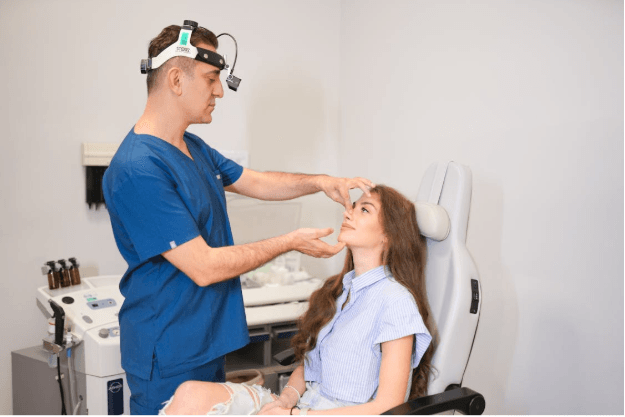

Retail strips and city centers now show aesthetic clinics more often than standard pharmacies. Many people see these clean storefronts that provide laser procedures and skin injections during daily travel. The move from hospital locations to local wellness centers shows a major change in how care reaches patients. This trend builds strong dependence on expert medical guidance to protect each patient.
Business owners who open these facilities often deal with strict state rules tied to medical supervision. Many of them look for medical director services to help their operations follow each local and federal requirement. These services create the connection between owners and licensed medical staff who guide clinical procedures. Without this support, a clinic cannot legally carry out many of the common treatments clients request today.
Contents
- 1 The Shift Toward Community Based Aesthetic Care
- 2 Regulatory Standards for Modern Wellness Clinics
- 3 Why Specialized Oversight Matters for Patient Safety
- 4 The Economic Impact of the Aesthetic Industry
- 5 Administrative Requirements for Medical Directors
- 6 Training and Education in New Medical Clinics
- 7 Future Trends in Medical Oversight Models
- 8 Essential Components of a Professional Partnership
- 9 Building a Foundation for Long Term Success
The Shift Toward Community Based Aesthetic Care
In the past, cosmetic treatments stayed inside private surgical rooms within traditional medical settings. Now, many people see skin care and age related treatments as normal self care routines. This shift in public view led to rapid growth of new clinics across many regions. A large number of these sites run under the direction of nurse practitioners or physician assistants.
These professionals hold the medical ability to perform treatments but must follow a defined legal setup. State medical boards often require a licensed physician to manage and direct these medical services. This level of medical supervision helps confirm that each injection or laser treatment follows strong safety rules. It also shields both the provider and the client when problems happen during a standard visit.
Regulatory Standards for Modern Wellness Clinics
Each state sets its own rules for who can run and own a medical spa. Some areas require a physician to hold most of the business shares. Other states let non-medical owners operate the clinic through a management services structure. This tricky legal setup makes professional guidance essential for new owners in the field.
Following the rules goes beyond just having a name on a wall sign. A director must check patient records and approve the medical steps the staff uses. They also need to be ready for consultations when patients have complicated health backgrounds. Solid medical direction stops the legal problems that often close clinics without enough supervision.
- Check that every staff member holds a valid professional license.
- Review patient records on a regular basis to confirm staff follow all protocols.
- Develop clear emergency plans for unexpected clinical reactions.
- Provide continuous training for technicians on equipment and new procedures.
Why Specialized Oversight Matters for Patient Safety
Keeping patients safe is the top priority for any aesthetic clinic. Even though most cosmetic treatments do not invade the body, they can still cause issues like burns or blocked blood vessels. A committed director brings the knowledge needed to handle these uncommon but serious situations. Their role reassures patients that a physician is overseeing their care.
Data from the U.S. Bureau of Labor Statistics shows that healthcare jobs are expected to grow faster than most other fields. This rise includes mid-level providers who work in many current aesthetic clinics and wellness centers. These staff depend on a supervising physician to widen their work safely. Clear medical leadership lets them concentrate on giving consistent results to their clients.
The Economic Impact of the Aesthetic Industry
The wellness industry keeps growing into new regions. Small towns now have hydration bars and skin treatments that used to appear only in large cities. This growth creates positions for nurses and office staff in many local areas. It also encourages new tools and portable devices for use in these clinics.
Owners must weigh expansion plans against the cost of professional medical direction. Hiring a full time physician is often too costly for a new clinic. Current service models let businesses tap skilled medical staff at a lower price. This access supports the fast launch of new clinics in suburban markets that previously had few options.
Administrative Requirements for Medical Directors
Managing a clinic comes with a large amount of paperwork that can overwhelm new providers. A director oversees the agreements that assign who can carry out certain duties. They also make sure the clinic follows rules set by the Occupational Safety and Health Administration for workplace safety. These tasks form the foundation of a clinic that runs smoothly and meets legal requirements.
- Keep precise records for all prescriptions and medical supplies.
- Confirm that medical waste and sharps are disposed of correctly.
- Provide yearly bloodborne pathogen training for all staff members.
- Record the calibration and upkeep of every medical laser.
Training and Education in New Medical Clinics
Technology in aesthetic care evolves quickly, similar to changes in software. Devices for skin tightening or fat reduction appear each year. A medical director reviews these tools before the clinic offers them. They check that the equipment is safe and that staff know how to use it.
Training does not end once new staff are hired. Ongoing education keeps providers updated on current injection methods and safety practices. A strong director encourages a learning environment where safety comes before earnings. This method strengthens trust with both the community and patients over time.
Future Trends in Medical Oversight Models
The industry is moving toward more connected and tech based ways of supervision. Telehealth lets directors speak with staff and patients from a distance right away. This tool helps clinics in rural areas access skilled medical partners. It also speeds up responses when a provider needs urgent clinical guidance.
As the field grows, attention on formal compliance will rise. State regulators watch closely how medspas run each day. Clinics that bring in professional direction now will be ready for changes ahead. They will have the records and expert support needed to handle an unexpected inspection.
Essential Components of a Professional Partnership
Choosing the right medical partner starts with understanding the clinic’s needs. The physician should have experience that matches the services offered. A pediatrician may not suit a clinic focused on advanced dermatology. Matching specialties lets the director give useful guidance on the treatments being done.
The partnership also needs a clear plan for daily communication. Regular check ins keep the physician and staff aligned. This ongoing discussion stops minor issues from becoming serious legal or medical problems. A strong relationship between the owner and director supports a steady work environment for all.
Building a Foundation for Long Term Success
Success in aesthetics depends on combining business sense with strong medical practice. No marketing effort can undo the harm from a serious safety mistake. Hiring professional medical guidance is the safest way to protect a new clinic. It lets owners create a reputation for reliable care and clinical trust.
These services let skilled providers enter this growing and profitable market. They manage the complex details of staffing so clinics can start operations smoothly. This support acts as the driving force behind the growth of modern wellness centers. Every successful clinic begins with a focus on solid standards and professional medical direction.