
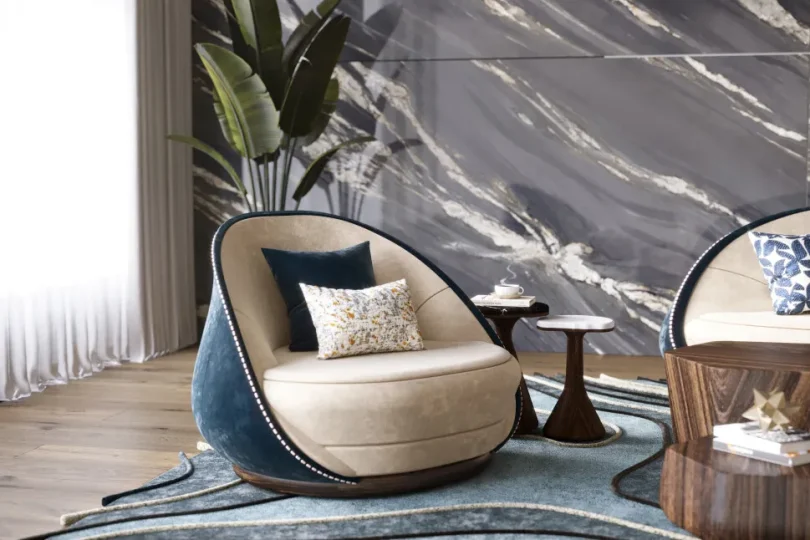

Luxury interiors have traditionally been associated with rarity. People tended to see exotic hardwoods, imported stone and handcrafted finishes as the hallmarks of premium design, with exclusivity taking precedence over sustainability. That mindset, however, has undergone a dramatic shift over the past decade or so and today’s homeowners view environmental responsibility as an essential part of luxury rather than an alternative to it.
That has forced the leading architects and interior designers to follow suit and to specify responsibly sourced timber, recycled materials, natural fibres and low-impact manufacturing to ensure that the beautiful spaces they create reflect thoughtful design choices as well as exceptional craftsmanship. As such, sustainability has become a defining consideration across the design industry, with premium interiors balancing aesthetics, longevity and environmental impact rather than treating them as competing priorities.
Quality over quantity
One reason sustainable materials have gained traction is that 21st century homeowners have a very different view as to what luxury really means compared to previous generations. Luxury is no longer seen as excess, but instead is more about permanence and the fast-changing trends and disposable furnishings of years gone by are giving way to interiors designed to last for decades. Investing in well-made furniture, solid timber cabinetry and timeless finishes often brings the dual benefits of reducing waste over the long term and creating homes that age gracefully.
This approach also aligns with broader shifts in consumer attitudes. Rather than replacing furniture every few years, many homeowners are choosing pieces that can evolve alongside their homes through restoration, refinishing or reupholstery. In short, durability, which was once viewed simply as a practical benefit, has become part of the definition of sustainable luxury.
Natural materials continue to lead
Wood has always been one of the most sought-after materials in high-end interiors. That has not changed, but sourcing has become just as important as appearance. Designers increasingly look for responsibly managed timber, natural finishes and manufacturing processes that minimise environmental impact.
Stone, linen, wool, cork and recycled metals have also become popular choices, offering texture and authenticity without relying on highly processed materials. The emphasis is no longer on using the most expensive material available, but on selecting materials that combine visual appeal with longevity and responsible sourcing.
Craftsmanship in the smallest details
One of the most interesting changes in contemporary interior design is that sustainability is influencing even the smallest finishing touches. Lighting, hardware, decorative accessories and artwork are now often chosen with the same attention to environmental impact as larger furniture pieces.Framing provides a good example. Artwork frequently serves as the finishing element that brings a room together, and many homeowners now seek custom picture frames that complement both the artwork and their wider sustainability goals. Choosing high-quality products from specialist suppliers allows decorative elements to become lasting features of a home rather than disposable accessories.
The renewed focus on sustainability has also encouraged greater appreciation for craftsmanship. Mass-produced products will always have their place, but many luxury interiors now incorporate bespoke joinery, handmade ceramics, artisan textiles and custom framing. These pieces typically carry a smaller environmental footprint through longevity alone because they are designed to be repaired, maintained and appreciated for many years. Craftsmanship also introduces individuality into a space. Rather than creating homes that follow short-lived design trends, bespoke elements help establish interiors with a stronger sense of personality.
Designing for the long term
Environmental responsibility has become closely connected with personal wellbeing. Low-VOC paints, natural ventilation, responsibly sourced timber and organic textiles all contribute to healthier indoor environments while reducing environmental impact. Homeowners are increasingly aware that sustainable design choices can benefit both the planet and the people living within a space.
But perhaps the biggest change is how success is measured. Luxury interiors are no longer judged solely by appearance on the day they are completed. Increasingly, designers consider how a space will perform ten or twenty years into the future and ask themselves such questions as how well the materials will age, whether individual components can be repaired rather than replaced and whether the design will remain functional as lifestyles change.
These questions encourage more thoughtful decision-making throughout the design process. As consumer expectations continue to evolve, the homes that stand the test of time are likely to be those that combine elegance with environmental responsibility. It stands to prove that that true luxury is not just measured by what a space contains, but by how thoughtfully it has been created.