

Kratom used to be the odd choice of botanists and adventurous herbalists, but now it’s in the online shopping carts. Whether it’s for an energy boost, a mood lift, or just the thrill of trying something new, the demand for good kratom has skyrocketed.
But with increased popularity comes an influx of shady vendors selling powders that could just as well be ground-up lawn clippings. How do you separate the wheat from the chaff—or, in this case, the kratom from the questionable dust?
Fortunately, distinguishing top-tier kratom isn’t a skill reserved for the enlightened few. With a little common sense and a few simple strategies, you can avoid getting ripped off. Here’s how to tell if the kratom you’re looking at is worth the money or if you’d be better off steeping a handful of tree bark in hot water instead.
Contents
1. Buy Kratom from Reputable Vendors Only
Buying kratom from anywhere is like buying sushi from a gas station—technically possible but likely to end in regret.
Reliable vendors prioritize quality, transparency, and customer safety. They don’t operate out of anonymous e-commerce sites with names like “Magic Leaf Superstore.” Instead, they offer lab-tested products and will share information about sourcing and potency.
A good vendor will have detailed product descriptions, third-party lab test results, and clear labeling. No cryptic “special blends” with vague promises of “enhanced experiences.” Just plain and simple information about strain, origin, and alkaloid content.
If a seller can’t provide that information, it’s not because they are trying to be mysterious—it’s because they have something to hide.
Customer reviews and industry recognition also tell you a lot. If a company has a good reputation, there’s a reason. Shady vendors get complaints faster than a lousy restaurant; good ones get repeat business. Before you buy kratom, take the time to research the seller. A little homework now saves a lot of headaches later.
2. Look for Third-Party Lab Testing
Kratom isn’t regulated like a prescription drug, meaning some vendors take creative liberties with their quality control—or lack thereof. Third-party lab testing separates the serious sellers from the ones hoping you won’t notice that your “green vein” is suspiciously gray.
Legitimate lab testing checks for contaminants like heavy metals, mold, and bacteria. It also verifies alkaloid content, ensuring you get what you paid for instead of a bag of something that looks like it belongs in a potted plant.
Any vendor worth trusting will have these results readily available. If they don’t, it’s not because they forgot or never had them in the first place.
Without testing, kratom could contain additives, fillers, or worse—dangerous substances that have no business in your body. If a company can’t prove their product is clean, assume it isn’t. The cost of proper testing is minor compared to the potential risks of skipping it.
3. Pay Attention to Appearance and Smell
Kratom isn’t a perfume, but it shouldn’t smell like it’s been stored in a damp basement, either. Fresh kratom has an earthy, tea-like aroma—not musty, sour, or chemical-laden. If the scent reminds you of an old couch, something ain’t right.
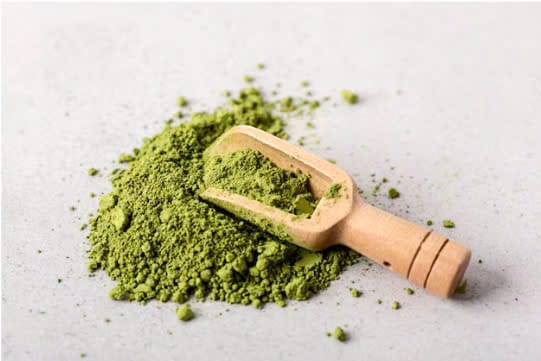
The color is another clue. Good kratom should be vibrant—it should be green for green vein strains and deep red for varieties of red veins. A dull or brownish hue signals an old or improperly stored product. Vendors who care about quality take storage seriously, keeping their stock away from moisture and light to preserve potency.
Texture matters, too. Kratom powder should be finely ground, not gritty or clumpy. If it feels like a handful of sawdust or sand, chances are it wasn’t processed correctly. Just like you wouldn’t buy produce that looks half-rotten, don’t settle for kratom that appears anything less than fresh and well-handled.
4. Consider the Packaging and Labeling
Kratom packaging shouldn’t look like it was designed by someone using clip art from 1998. Quality vendors invest in professional labeling that clearly states the strain, origin, and lab results.
A plastic bag with a hand-drawn leaf and the word “Super Strong” scrawled across it isn’t reassuring—it’s a red flag.
Proper packaging protects kratom from light and moisture, both of which degrade potency. Airtight, resealable containers or vacuum-sealed bags are ideal. If your kratom arrives in a flimsy, see-through bag that looks like it barely survived the trip, expect compromised quality.
Legitimate products also include dosage recommendations and disclaimers. Vendors who care about their customers provide clear usage instructions rather than treating dosage like an ancient secret only revealed to the worthy.
If packaging is vague, sloppy, or missing key information, don’t trust what’s inside.
5. Trust Your Body’s Response
Your body is an excellent quality control inspector—ignore it at your peril. Good kratom should provide a smooth, consistent effect, not a rollercoaster ride of discomfort and regret. The product may be low-quality or contaminated if you experience excessive nausea, headaches, or other strange side effects.
Even among high-quality batches, potency varies slightly. However, if a vendor’s kratom produces unpredictable effects from one purchase to the next, something is off. A reputable seller provides consistency that prevents each dose from feeling like a gamble.
Tolerance also plays a role, but a drastic difference between batches signals a problem. Quality kratom should feel natural and balanced, not like an unpredictable experiment. If a product makes you question whether kratom was the right choice at all, the issue likely lies with the vendor, not the plant.
Bottom Line
Buying quality kratom shouldn’t feel like an elaborate guessing game. A bit of due diligence separates safe, effective products from those that belong in the trash. Reliable vendors, third-party testing, proper storage, clear packaging, and consistency effects all point to a product worth your time and money.
Most people learn the hard way that cheap kratom often comes with hidden costs. Whether it’s a total lack of potency, unexpected side effects, or outright contamination, cutting corners in quality never ends well. Smarter choices lead to better experiences, and when it comes to kratom, nothing beats knowing what you’re getting.