
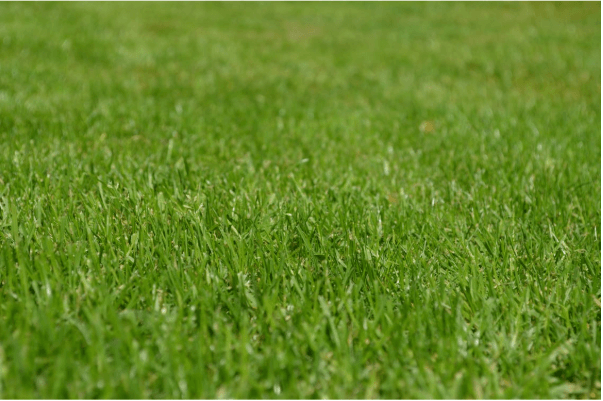

Winter is here. Although it’s not the most active season for plant parents across Australia, there is always something to do in the yard if you fancy it. Instead of putting the tools away, the focus should be on laying the best foundation for a spectacular spring.
While the onset of winter cools down the growth, there’s still plenty of work that can be done.
Contents
1. Protection from Cold and Frost
Australia has very diverse weather conditions in winter.
If you’re down south, the focus should be on frost protection. It would be wise to cover up sensitive plants with a cloth or hessian bag for frosty nights (removing them in the morning for adequate sun exposure). Consider moving plants indoors. If you prefer to keep your plants outdoors, it’s best to provide insulation by covering the base of the plant with mulch.
For gardening aficionados up north, the focus is more on dry care and maintenance.
2. Dry Care and Maintenance
If your lawn is compacted, aeration can become critical in the winter months.
Aeration is the process of making small holes in your lawn for better air, water and nutrient flow. This can be done with a garden fork, aerating sandals or even a petrol-powered core aerator. Failure to do so can lead to insufficient nutrients, which can have a direct impact on lawn growth.
Regularly rake your lawn and remove fallen leaves, debris and branches for better sunlight. Consider investing in a lighting tower for better visibility as the days usually get shorter in the winter months.
3. Soil Optimisation
Winter is a fantastic time to optimise the soil.
Adding the desired organic matter, like compost or well-rotted manure, can significantly boost microbial activity and improve soil structure. If your soil is clay-heavy, consider adding gypsum to help break up compaction. For sandy soils, compost will improve water and nutrient retention.
The best way to add anything is to spread a very thin layer on top (1-2 cm), rake the area and then gently water it in.
4. Mowing and Watering
Mowing should also be done in winter if deemed necessary.
As stated previously, Australian lawns tend to be completely dormant in cooler climates. However, if you deem it necessary to mow your lawn, ensure that you raise the height. A longer blade of grass will be able to absorb more sun in the short span that it is available in.
When it comes to irrigation, only water the lawn when it looks dehydrated. Even then, use water sparingly as air and soil temperatures would be on the lower end. If water pools for a bit, then this can lead to the growth of fungal diseases in your thatch layer and may also result in frost damage. Cutting too low can also scalp the lawn in a period when growth is minimal.
5. Weed Control
Although your grass may be dormant, winter is prime time for certain opportunistic weeds like bindii, winter grass and clover to sneak in. These weeds tend to thrive in cooler conditions and, if left unchecked, can quickly spread and compete with your turf for both nutrients and space. Services such as Weed Pro can also provide added protection during the colder months, ensuring weeds don’t gain the upper hand while your grass lies dormant.
While there are multiple ways to tackle weeds, it’s best to hand-pull isolated weeds quickly before they start seeding. In the case of a weed invasion, opt for a selective herbicide that suits your lawn type. However, be careful when using strong chemicals as they can be detrimental to your lawn in winter, especially if frost is expected.
6. Prepare for Spring
Winter is a great time to hunt for weak spots in the lawn and plan for spring.
Mark areas with bare patches or thin layers of grass that would require reseeding or top dressing when the weather warms up and the grass growth spurt is back. Conduct an equipment check and sharpen your tools. Ensure everything is in an optimal state before the busy season. Schedule lawn treatment in advance if you are going for a larger reseeding or heavy fertilisation.
Finally, look at revamping your lawn by adding new plants or improving the drainage if necessary.
Yard care is an all-year marathon. While winter is one of the lean periods, completely ignoring your lawn can make your past efforts futile.
Instead, lay the groundwork by starting with cold protection. Review your dry care practice. Make room for soil improvement. Dial down the mowing and watering. Look out for the pesky weeds. Finally, put your best foot forward for spring.