
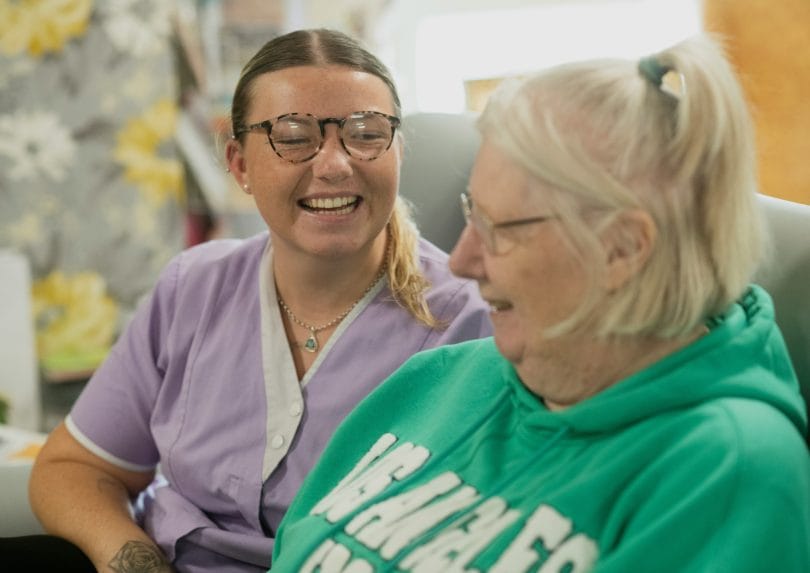

Getting older doesn’t have to mean giving up control over your own life. For many people, the idea of moving into a nursing home or assisted living facility feels like a loss of routine, of familiarity, of the small daily choices that define who they are. But it doesn’t have to come to that. With the right support in place, staying home is often the better option.
Here’s how one can maintain while under the said care approach.
Contents
The Value of Aging in Place
There’s something deeply personal about a home. It holds memories, habits, and a sense of self that no facility can replicate. Research consistently shows that older adults who remain in familiar environments tend to experience better emotional well-being and, in many cases, better physical health outcomes too. The key, of course, is making sure that staying home doesn’t come at the expense of safety or proper care.
That’s where the conversation around long-term care services really begins, not with resignation, but with planning.
Building a Support System That Works for You
For those managing a chronic medical condition, recovering from surgery, or simply finding that daily tasks have become more challenging, professional support can make an enormous difference.
Quality home care services are designed to meet people where they are. This means literally and figuratively. Rather than uprooting someone’s life, care comes to them, tailored to their specific needs and preferences.
This kind of care isn’t one-size-fits-all. A good plan of care considers the medical needs, lifestyle, preferences, and long-term goals. It’s the difference between care that sustains and care that genuinely supports a person’s independence.
What Quality Home Care Actually Looks Like
It’s worth being specific here, because home care can mean different things to different people. At its most basic level, personal care assistance helps with everyday tasks. This includes bathing, dressing, meal preparation, and mobility support. Home care aides are trained to provide this kind of help in a way that respects dignity and encourages as much self-sufficiency as possible.
Beyond that, home health care services can include skilled nursing care for wound care or medication management, and physical therapy to rebuild strength and mobility after an injury.
It may also include occupational therapy to help someone adapt their environment and routines, and speech therapy for those recovering from a stroke or managing conditions that affect communication.
These aren’t just medical add-ons. They’re meaningful interventions that can prevent hospitalizations, slow decline, and dramatically improve quality of life. When care is coordinated well, and everyone involved in a person’s health is communicating and working from the same plan, the results speak for themselves.
The Role of Family and Carers
It’s also worth acknowledging that independence doesn’t mean doing everything alone. Most people receiving home care still rely on family members or close friends for emotional support, and sometimes for practical help too. Professional care doesn’t replace those relationships; it protects them.
Family caregivers often carry an enormous amount of responsibility, and without proper support, burnout is a real risk. When professional care providers step in to handle skilled nursing tasks or personal care, it allows family members to show up as family, not as exhausted, overextended carers. That shift in dynamic benefits everyone involved.
Making the Decision
Choosing to bring in care support is rarely a simple decision. There may be resistance from the person needing care, from family members, or both. Pride plays a role, and so does fear. But it helps to reframe what home care means: it’s not a concession to aging or illness. It’s a practical strategy for staying in control.
A few things worth considering when thinking through care options: Does the level of support match current needs, with room to adjust as those needs evolve? Is the care team communicating clearly and including the person receiving care in decisions? Are there supports in place for managing long-term care costs, such as long-term care insurance or relevant government programs?
These questions don’t have easy answers, but asking them is a good starting point.
Independence Is a Practice
Independence isn’t something people either have or lose all at once. It’s something maintained, often with help. The goal of quality home care is to fill the gaps, reduce the risks, and free people up to focus on the parts of life that matter most to them.
Whether it’s dementia care that allows someone to stay in their own home longer, skilled nursing care that prevents a small health issue from becoming a crisis, or simply having a home care aide help with the morning routine, the right support matters.
Aging well isn’t about doing it alone. It’s about doing it on your own terms.