
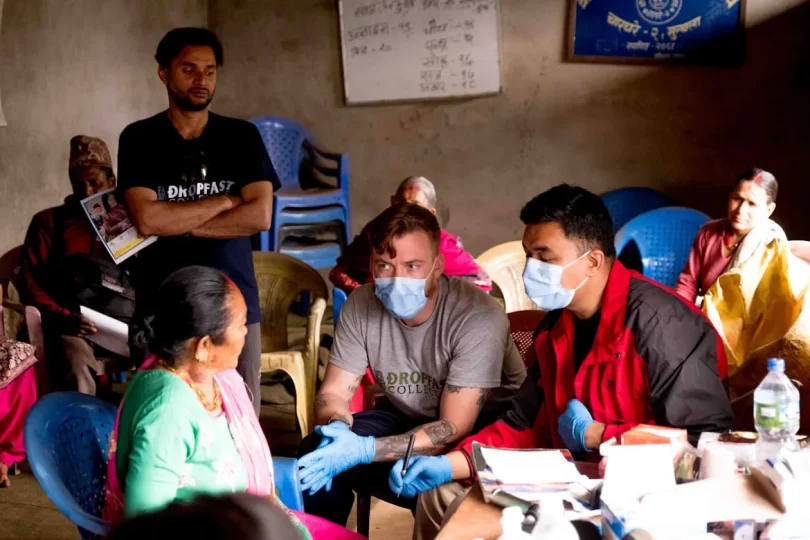

For Matthew Bissell, addressing the needs of vulnerable communities requires more than temporary solutions—it demands steady commitment and informed action. When support is consistent, it strengthens trust, fosters stability, and creates space for long-term transformation. The communities facing systemic barriers benefit most when services are tailored, culturally aware, and sustainable.
Small efforts—when done consistently—can ripple outward, influencing systems and empowering entire neighborhoods. Whether through healthcare, education, housing, or legal aid, the impact of continuity is profound. It is this commitment to showing up again and again that turns temporary relief into lasting change.
Contents
Why Advocacy Matters
Advocacy plays a critical role in addressing the challenges vulnerable communities face. It involves amplifying voices that often go unheard and pushing for policies that protect and empower.
Grassroots organizations often lead the charge, pushing for tenant protections, equitable school funding, or expanded access to healthcare. When these efforts are sustained over time, they can lead to transformative change, even in areas that have long been overlooked. Consistency is key—without it, progress stalls and communities are left exposed to recurring hardship.
Advocates who maintain long-term commitments develop deeper trust with the communities they serve. This relationship-building is what turns short-term wins into lasting improvements. When advocacy is ongoing rather than reactive, it becomes a powerful force.
The Impact of Consistent Care
Care goes beyond meeting immediate needs—it builds the foundation for long-term well-being. When individuals can count on reliable services or social support, they are more likely to maintain stability and thrive. One-time aid may provide relief, but ongoing assistance fosters resilience and empowerment.
In communities where care is integrated and sustained, outcomes improve across generations. Children have better school attendance, older adults experience fewer medical crises, and families are more likely to remain housed. Trust grows when support is predictable rather than sporadic. Providers become familiar faces rather than strangers, and that familiarity makes a difference.
Examples of Effective Support in Action
Across the country, certain community-led programs have shown remarkable results by staying rooted in local needs. A neighborhood health initiative in South Los Angeles, for instance, paired community health workers with families to ensure consistent access to preventive care. What sets this effort apart is its culturally competent approach and long-term presence within the community.
In another region, a mobile outreach program brings legal aid and housing assistance directly to encampments where unhoused individuals live. By meeting people where they are and maintaining regular contact, the program has helped hundreds transition into stable housing. These stories underscore how tailored, dependable support can change lives. Programs like these often inspire similar initiatives in other communities.
Challenges to Maintaining Support
Sustaining long-term support comes with hurdles that are often invisible to those outside the work. Fluctuating funding cycles, shifting political priorities, and burnout among frontline workers can all disrupt progress. When the infrastructure behind a program weakens, vulnerable communities are often the first to feel the impact. The constant need to secure grants or donations adds another layer of pressure.
In some areas, community centers that once provided after-school meals and tutoring have had to reduce hours or close entirely due to budget cuts. These closures can unravel years of trust and development in just a few weeks. Overcoming these barriers requires not just money, but also flexible policies and committed leadership.
Ways to Get Involved
Direct action starts with listening. Engaging with local organizations, attending community forums, or even subscribing to a neighborhood newsletter can reveal where help is most needed. Whether it’s offering time, skills, or financial support, every contribution matters when it’s informed and intentional.