
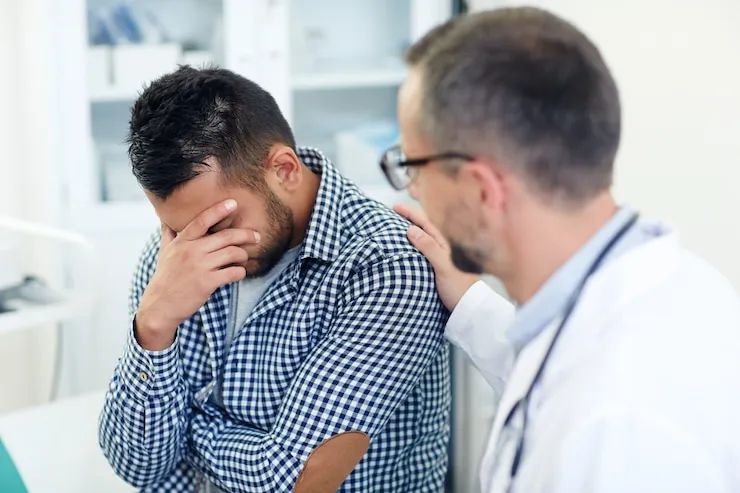

Performance anxiety isn’t just about stage fright or giving a speech—it can also show up in the most intimate parts of our lives. For many individuals, especially men, performance anxiety during sexual activity is a real and distressing experience. Whether it’s the fear of not satisfying a partner, concerns about premature ejaculation, or trouble maintaining an erection, this anxiety can take a toll on both self-esteem and relationships.
Fortunately, performance anxiety is manageable and treatable. With the right strategies and support, you can move past the fear and rediscover confidence in the bedroom. If you’ve ever found yourself searching for a sexologist Bangalore listing online, you’re already on the right path—acknowledging the issue is the first step toward addressing it.
Contents
- 1 What Is Sexual Performance Anxiety?
- 2 What Causes Sexual Performance Anxiety?
- 3 The Impact of Performance Anxiety on Sexual Health
- 4 Practical Tips and Strategies to Overcome Performance Anxiety
- 5 Couples Therapy: Healing Together
- 6 When Medication Helps
- 7 Long-Term Outlook: Building Sexual Confidence
- 8 Final Thoughts
What Is Sexual Performance Anxiety?
Sexual performance anxiety is a psychological condition where a person becomes so worried about their sexual performance that it interferes with their ability to engage in or enjoy sex.
Common symptoms include:
- Difficulty getting or maintaining an erection
- Premature ejaculation or delayed ejaculation
- Loss of sexual desire
- Physical tension or rapid heartbeat during intimacy
- Avoidance of sexual situations altogether
This anxiety can become a self-fulfilling prophecy: the more you worry about performance, the more difficult performance becomes.
What Causes Sexual Performance Anxiety?
Performance anxiety is not caused by one single factor. Instead, it often stems from a mix of emotional, psychological, and physical triggers.
1. Fear of Judgment
- Worrying that a partner will be dissatisfied
- Concerns about physical appearance or sexual skill
2. Past Negative Experiences
- Previous instances of sexual dysfunction
- Embarrassment or criticism from a partner
3. Stress and Fatigue
- High work pressure, sleep deprivation, and emotional stress can reduce libido and increase anxiety
4. Porn-Induced Expectations
- Unrealistic standards of what sex “should” be like can create pressure to perform
5. Health and Hormonal Issues
- Low testosterone, obesity, cardiovascular disease, or diabetes can affect sexual performance and trigger anxiety
The Impact of Performance Anxiety on Sexual Health
Left unaddressed, performance anxiety can have significant effects:
- Relationship strain: Avoidance of intimacy can lead to emotional distance.
- Low self-esteem: Repeated experiences of perceived failure can chip away at confidence.
- Worsening physical symptoms: Anxiety activates the sympathetic nervous system (fight-or-flight), making arousal physically more difficult.
Understanding that this is a common and treatable issue is essential. Experts—like a trusted sexologist in Bangalore—can help diagnose the root cause and guide recovery.
Practical Tips and Strategies to Overcome Performance Anxiety
1. Open Communication with Your Partner
One of the most effective ways to reduce anxiety is to talk about it. A supportive partner can help normalize the experience.
- Share your fears openly without shame
- Set realistic expectations for intimacy
- Focus on connection, not performance
2. Cognitive Behavioral Techniques (CBT)
CBT helps identify and challenge irrational thoughts that lead to anxiety.
- Replace thoughts like “I must always perform perfectly” with “Intimacy is about connection, not perfection.”
- Journaling, guided thought-reframing, or professional therapy can be beneficial
3. Focus on Pleasure, Not Performance
Shift your mindset from achieving a specific goal (like orgasm or penetration) to simply enjoying the moment.
- Engage in more foreplay, cuddling, and sensual touch
- Explore mutual pleasure without a fixed script
4. Breathing and Relaxation Techniques
Performance anxiety often triggers shallow breathing and muscle tension. Mindfulness and breathing exercises can help.
- Try deep belly breathing before and during intimacy
- Progressive muscle relaxation or meditation can reduce anxiety responses
5. Exercise and Lifestyle Changes
Regular exercise improves circulation, boosts mood, and reduces stress—all of which contribute to sexual health.
- Aim for at least 30 minutes of movement most days
- Reduce alcohol and quit smoking, which can impair performance
- Sleep 7–8 hours each night to support hormone function
6. Avoid Over-Reliance on Porn
Frequent porn use can desensitize your response to real-life intimacy.
- Limit screen time
- Reconnect with real-life arousal cues and partner intimacy
7. Consult a Professional
If anxiety persists despite lifestyle changes, seeking professional help is wise. A certified sexologist Bangalore expert can:
- Conduct medical and psychological assessments
- Offer therapy (individual or couple-based)
- Prescribe treatment if needed (medication, exercises, etc.)
Clinics in areas like Koramangala and Whitefield provide discreet and compassionate care for sexual health concerns.
Couples Therapy: Healing Together
When one partner struggles with performance anxiety, the ripple effects touch both people. Couples therapy is especially helpful when:
- Miscommunication or blame arises
- One partner feels undesired or frustrated
- Anxiety stems from relational history or unmet expectations
A therapist can help both partners:
- Rebuild emotional intimacy
- Explore new forms of closeness beyond intercourse
- Support each other with patience and empathy
When Medication Helps
In some cases, anxiety and physical factors overlap. For example:
- Low testosterone might be contributing to erectile issues
- Anxiety may cause performance blocks despite physical health
Doctors might recommend:
- PDE5 inhibitors (like sildenafil)
- Hormone therapy if needed
- Short-term anxiety medications
These should only be taken under expert supervision. Self-medication can be harmful or ineffective.
Long-Term Outlook: Building Sexual Confidence
Overcoming performance anxiety isn’t about quick fixes—it’s about building lasting confidence. Here’s how:
- Celebrate small wins
- Focus on overall wellness
- Stay connected to your partner emotionally
- Stay informed through books, support groups, or educational content
Final Thoughts
Performance anxiety in the bedroom is far more common than many people realize. It affects individuals of all ages and backgrounds—but it doesn’t have to define your sexual life. Addressing it early, understanding the root cause, and exploring practical strategies can help you reclaim your confidence.
So, if you’re based in areas like Whitefield or Koramangala and find yourself searching for a sexologist Bangalore expert, know that help is available—and it works. You don’t have to keep suffering in silence. With the right support, sex can go back to being what it should be: intimate, joyful, and pressure-free.