
Travel has always been about discovery new places, unfamiliar cultures, and experiences that reshape how we see the world. In recent years, another trend has quietly reshaped the travel landscape: people are traveling more often with their dogs. From pet-friendly hotels to airlines offering in-cabin options, the idea of leaving a dog behind now feels outdated for many owners. Yet traveling with a dog is not just about logistics. It’s also about understanding who your dog really is and that’s where a dog breed test kit becomes surprisingly relevant.
Modern travel journalism increasingly focuses on personalization. Travelers want trips that reflect their interests, habits, and values. The same shift applies to pet travel. Knowing your dog’s breed composition can offer insights that directly affect how, where, and even why you travel together.
Contents
Why Breed Knowledge Matters on the Road
At first glance, a dog is simply a travel companion happy to sit in the back seat or curl up in a hotel room. But different breeds, and breed mixes, carry deeply ingrained traits shaped by history and environment. Herding dogs may struggle with long periods of inactivity. Scent hounds may be irresistibly drawn to unfamiliar smells during hikes. Brachycephalic breeds can face challenges with heat and air travel.
A dog breed test kit helps owners move beyond guesswork. Instead of relying on appearance or assumptions, travelers gain a clearer picture of their dog’s natural tendencies. This knowledge can influence major travel decisions, from choosing a mountain cabin over a busy city hotel to planning rest-heavy road trips instead of high-intensity adventures.
Travel Planning Through a Behavioral Lens
Travel writers often emphasize “slow travel” spending more time in fewer places to reduce stress and increase immersion. For dogs, this concept is even more important. A dog with strong working-line ancestry may thrive on structured outdoor activities, while a companion-breed mix might prefer relaxed cafés and scenic walks.
Understanding breed traits allows owners to plan itineraries that align with their dog’s comfort. For example:
- Dogs with endurance-focused ancestry may enjoy long-distance hiking trails or national parks.
- Dogs with guarding or territorial instincts may feel overwhelmed in crowded tourist areas.
- Dogs bred for companionship often adapt well to urban travel and frequent social interaction.
This approach mirrors how modern travel journalism frames human experiences not as one-size-fits-all, but as deeply individual journeys.
Health Awareness While Traveling
Health considerations are a recurring theme in global travel reporting, particularly when it comes to climate, altitude, and access to medical care. The same concerns apply to dogs. Certain breeds are predisposed to joint issues, respiratory sensitivities, or temperature intolerance. When traveling across climates or time zones, this information becomes crucial.
A dog breed test kit can alert owners to potential risks before they arise. Knowing these factors helps travelers prepare thoughtfully, whether that means avoiding high-altitude destinations, planning frequent breaks, or choosing accommodations with climate control.
Emotional connection and responsible travel
Travel is often described as transformative, not only because of destinations but because of the relationships formed along the way. Traveling with a dog deepens that emotional layer. When owners understand their dog’s genetic background, they often report a stronger sense of empathy and connection.
This awareness supports responsible travel a concept frequently highlighted by major outlets like the BBC, especially in discussions around sustainable and ethical tourism. Responsible pet travel means reducing stress on animals, respecting local environments, and making informed decisions rather than impulsive ones.
Technology Meets Travel Culture
Technology has long shaped how we travel, from digital boarding passes to real-time translation apps. Pet genetics is now joining that ecosystem. A dog breed test kit fits naturally into a travel culture that values data-driven decisions without losing the emotional core of exploration.
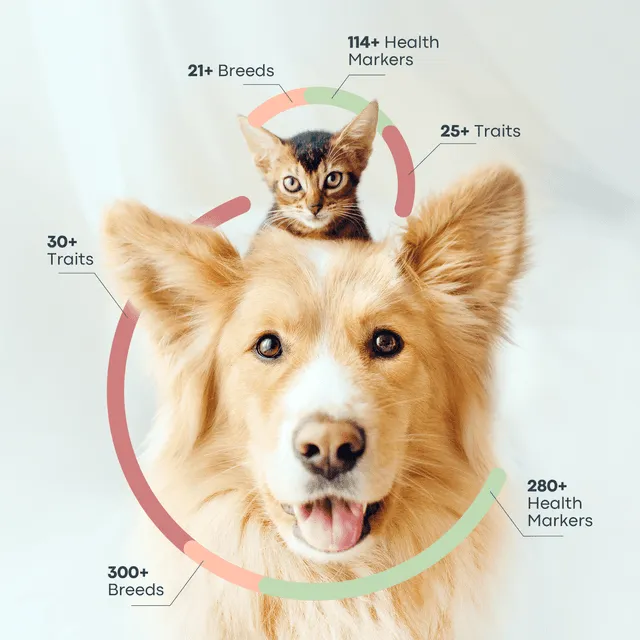
Bbasepaws dog breed test kit solutions provide insights that go beyond curiosity. They offer practical context that can improve safety, comfort, and enjoyment during travel. For digital nomads, long-term travelers, or families relocating internationally, this information becomes even more valuable.
A New Perspective on Travel Companionship
Travel journalism has evolved from simple destination guides to stories about connection with places, people, and ourselves. Dogs have become part of that narrative. They are no longer passive companions but active participants in the journey.
Understanding a dog’s breed composition reframes travel as a shared experience rather than a human-centered one. It encourages owners to see destinations through their dog’s needs and instincts, resulting in trips that feel more balanced and intentional.
Looking Ahead
As traveling with pets becomes more common worldwide, regulations and best practices are evolving alongside this trend. According to Wikipedia’s overview of pet travel, transporting animals across regions and countries now involves standardized documentation, carrier requirements, and animal welfare considerations that reflect how deeply pets are integrated into modern lifestyles. This shift highlights the importance of preparation not only in terms of paperwork, but also in understanding a dog’s physical and behavioral needs when moving between environments.
In the end, meaningful travel is not measured by distance or luxury, but by harmony. When humans and dogs move through the world together with insight and respect, the journey becomes richer for both.