
Your home’s heating system does its work quietly and reliably — until it does not. A heating failure in the middle of winter can go from inconvenience to serious problem very quickly, particularly for households with young children, elderly residents, or pets. Understanding the warning signs that precede heating failures, and knowing when to call a professional heating repair service, is one of the most practical skills a homeowner can develop.
The most dramatic and obvious heating failure is a system that simply stops producing heat. But most heating failures are preceded by warning signs that, if caught early, allow for repairs that are far less disruptive and far less expensive than emergency calls in the middle of a cold night. Learning to recognize these signs is the first step toward proactive rather than reactive heating maintenance.
Unusual noises are among the most reliable early warning signs. A furnace that is operating normally produces a relatively consistent sound profile — the ignition sequence, the blower starting, the steady sound of air moving through the system. Changes to this profile deserve attention. A loud bang or boom when the furnace ignites can indicate delayed ignition, often caused by a dirty burner. This is not just an inconvenience — delayed ignition creates a small combustion event that can crack the heat exchanger over time. A cracked heat exchanger is a serious safety issue because it can allow combustion gases, including carbon monoxide, to enter the living space.
Rattling sounds often indicate loose components — a panel that has come loose, a screw that has vibrated out of place, or debris in the blower compartment. Rattling is usually more annoying than immediately dangerous, but loose components can cause damage if left unaddressed. Squealing or screeching typically indicates a problem with the blower motor or belt — usually a bearing that is failing or, in older systems with belts, a worn or misaligned belt that needs replacement. Clicking sounds after the system attempts to ignite but fails to start suggest a problem with the igniter or flame sensor.
Inconsistent heating — rooms that are significantly warmer or cooler than others, a system that cycles on and off frequently, or an inability to reach the set temperature — can have multiple causes. The most common is a dirty air filter restricting airflow, which is a DIY fix requiring only a new filter. More complex causes include leaky ductwork, a failing blower motor, a malfunctioning thermostat, refrigerant issues in heat pump systems, or in some cases a system that is simply undersized for the space it is trying to condition.
Rising energy bills without a corresponding change in usage are a soft but important signal that your system is working harder than it should. Efficiency degrades over time as heat exchangers accumulate scale, burners become dirty, and components wear. A system that has not been maintained will produce the same heat output as a maintained system, but at greater energy cost. Annual tune-ups address this degradation directly and can produce measurable energy savings.
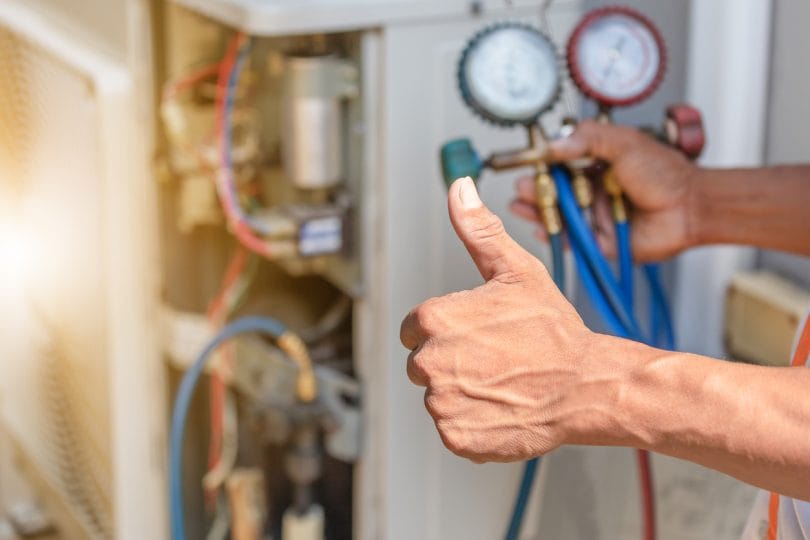
When you decide to call a heating repair service, expect the technician to perform a diagnostic evaluation rather than just replacing parts. A qualified technician will measure temperature rise, combustion efficiency, and electrical parameters; inspect the heat exchanger; check the ignition system and safety controls; and review the condition of the blower motor and related components. This systematic approach identifies the root cause of the problem rather than treating symptoms.
Written estimates before any repair work are a professional standard. A reputable heating repair company will explain their findings, recommend the necessary repairs, and provide a written estimate for your approval before proceeding. Be wary of companies that proceed with repairs before getting your authorization. Also be alert to high-pressure up-selling — while additional maintenance recommendations may be legitimate, a company that generates an extensive list of critical repairs on every visit may be more interested in generating revenue than honestly assessing your system.
The repair-versus-replace decision becomes relevant when a heating system is old and facing a significant repair. A general guideline used by HVAC professionals is the Rule of 5000: multiply the age of the equipment by the cost of the repair, and if the product exceeds $5,000, replacement may be more economical than repair. A system that is fifteen years old facing a $400 repair is worth fixing; one that is twenty years old facing a $1,500 repair deserves more serious consideration of replacement.
Regular preventive maintenance is by far the most cost-effective strategy for managing heating system costs. Annual tune-ups by a qualified technician keep the system operating efficiently, identify emerging issues before they become failures, and extend the overall lifespan of the equipment. Monthly filter checks and changes are the homeowner’s contribution to this partnership. Together, these habits minimize both repair frequency and energy costs throughout the heating season.