

In heavy machines, the performance of equipment is usually connected with larger systems like engines, hydraulic systems, and drives, but high-wear small components may also influence the productivity of machines. Small parts can become worn out after a long period of operation and thus influence machine performance.
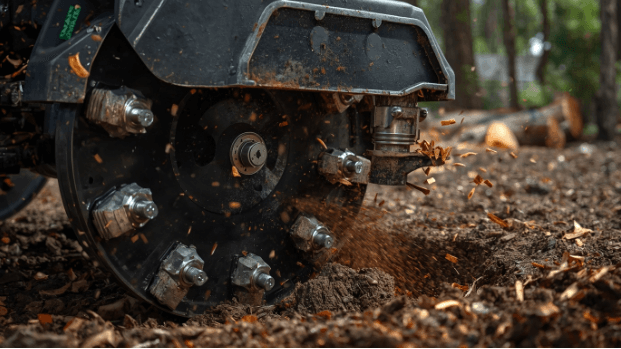
Equipment such as Greenteeth stump grinders and mulching machine contain parts that experience constant wear and have to be checked from time to time to make sure that their performance is at an appropriate level. Paying more attention to such parts would help to increase performance and cut down expenses on repairs and maintenance.
Contents
Why High-Wear Components Matter More
High-wear parts operate in harsh environments. Such parts usually experience constant friction, pressure, impact, and wear due to their exposure. As a result, such components tend to deteriorate more quickly than others.
Worn high-wear parts influence not only the particular area but also the overall operation of the equipment. It leads to inefficiencies in production, reduced productivity, higher costs, and delays in completing tasks due to increased efforts to produce the required amount.
One disadvantage of such parts is that the equipment keeps functioning while high-wear parts are no longer in optimal condition. Consequently, it is easier to overlook the issue until it affects the operations severely. Yet, problems always develop further; hence, they need to be tackled early on.
Reasons Why These Components Are Often Overlooked
Worn-out parts are very crucial to the operation of equipment, but they don’t always get the care that they require. In most instances, the need for replacements is ignored because the signs of wear and tear do not appear obvious at first glance.
Common reasons why this is the case include:
- The machinery is still functioning, so there’s no need for immediate action.
- Wear occurs progressively, which makes the effect difficult to detect.
- Focus tends to be put on major components like the engine, hydraulics, and gearbox.
- Replacements are often deferred in an effort to save money or time.
However, the reality of the situation is that a part that is worn cannot repair itself. Allowing it to fail completely will only cause more trouble down the line. A wear issue will lower productivity, slow down processes, and increase stress on the remaining machine components. This could result in more maintenance work being required later on.
Common Signs That a Wear Part Needs Attention
In equipment such as a greenteeth stump grinder, wear parts usually show warning signs before they stop performing properly. It is common for machinery to give certain indications of problems even before a particular wear part stops functioning properly. Identifying these warning signs early on can save a lot of trouble in the future.
Such indications include:
- Declining efficiency of cutting or processing.
- Higher levels of vibration while running.
- Mismatched wearing down of parts.
- Additional strain on the machinery.
- Persistent maintenance problems.
- Unusually high fuel consumption.
All of these signs may not necessarily cause immediate trouble, but they need to be considered anyway. The reason for that is that small decreases in the efficiency of a wear part usually signify its malfunctioning.
The Benefits of Addressing Wear Problems Early
In many cases, replacing a worn-out component earlier rather than later will prove far less costly compared to replacing one that failed entirely. Proactive approaches have a lot of potential for preventing problems before they become an issue and improving the efficiency of equipment.
Specific advantages include:
- Better performance of machinery.
- Reduced downtime due to failures.
- Lower costs for repairing equipment.
- More efficient day-to-day operations.
- Increased reliability and productivity.
- Fewer interruptions in critical projects.
Through proper maintenance procedures, companies may ensure the continued operation of their equipment without any disruptions.
Small Maintenance Habits Can Make a Big Difference
Small actions taken regularly can help prevent many common equipment problems and reduce the risk of unexpected downtime.
Some important maintenance habits include:
- Regular inspections of key components.
- Monitoring wear patterns over time.
- Reporting issues as soon as they are noticed.
- Replacing worn parts before they fail.
Such activities might not consume a lot of time; however, they will help to keep the equipment running effectively and reliably. If the small issues are detected at an earlier stage, then the chances for expensive repairs will be minimized. Besides that, effective maintenance does not involve fixing faults. It also includes preventing the faults from occurring.
Conclusion
High-wear parts are essential in maintaining the operation of machinery on a daily basis, yet they remain a neglected factor for many organizations. Taking care to monitor wear, notice signs that something is wrong, and replace components when necessary will go a long way toward improving production while minimizing unnecessary expenses.
Simple measures such as these will contribute to better functioning equipment overall. It pays to take high-wear components seriously.