
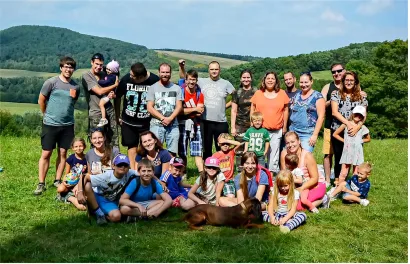

Across the world, ministries are discovering new ways to bridge faith with action, connecting global missions to the needs of local communities. Whether through digital tools, hands-on service, or cross-cultural collaboration, the heart of these efforts lies in sharing the Gospel in meaningful ways. According to the World Olivet Assembly, churches and individuals alike are stepping into roles that go beyond traditional expectations, contributing time, resources, and creativity to serve nearby neighborhoods and foreign nations. These efforts are not without obstacles, yet ministries continue to respond. From urban centers to rural corners, the stories of impact are as diverse as the people involved.
Contents
Connecting Global Mission with Local Needs
Global mission in ministry work involves sharing the message of the Gospel across borders, cultures, and languages. While this often brings to mind overseas travel or international campaigns, it also includes the intentional care for local communities as part of a larger, unified effort.
Ministries are finding that long-term impact begins by understanding and responding to the unique needs of neighborhoods, towns, and cities where they already have a presence. In one urban area, a church’s food cooperative not only addresses hunger but also fosters relationships that lead to deeper spiritual conversations. This approach allows ministries to connect their global message with local relevance, building trust and influence.
By combining global vision with local service, ministries create a model of outreach that is scalable and sustainable. Their efforts reflect a commitment to being present where people are—whether that’s across the street or across the ocean. It becomes a lifestyle that integrates faith with everyday acts of service, creating ripple effects in communities near and far.
Tools and Strategies for Global Outreach
Today’s ministries are embracing a range of tools to reach people beyond borders. From livestreamed worship services to Bible apps and multilingual podcasts, digital platforms have become vital channels for sharing the Gospel globally. These tools allow ministries to engage with individuals who may never step foot inside a church building. The accessibility of these platforms means the message can reach people in remote or otherwise isolated areas.
Collaborations with churches in other nations have also expanded the reach of many local ministries. In some cases, pastors from different countries co-lead online prayer meetings, uniting believers across time zones. Others participate in cross-cultural training, preparing their teams to serve communities with sensitivity and understanding.
Short-term mission trips continue to be a bridge between global awareness and local transformation. Whether it’s youth volunteers helping rebuild homes after a natural disaster or medical teams offering care in underserved areas, these efforts not only meet physical needs but also create lasting spiritual connections between cultures. The experience often shapes volunteers’ perspectives, fueling a deeper commitment back home.
Serving Local Communities with Purpose
When ministries meet practical needs with compassion, they often find doors open to deeper conversations about faith. A mobile clinic in a rural region might start by offering basic health screenings but soon becomes a trusted presence, bridging the gap between physical care and spiritual hope.
Partnerships with local schools, shelters, and community centers help churches understand the specific challenges their neighbors face. By consistently showing up and serving, ministries build credibility over time. In some areas, mentoring programs have helped reduce youth violence while also introducing young people to the message of the Gospel. These programs often empower young leaders to give back in their own communities.
These efforts aren’t about quick fixes. They’re rooted in long-term relationships and a commitment to serve without strings attached. Through simple acts of kindness—delivering groceries, offering tutoring, or providing shelter—ministries embody the message they preach, often in ways that speak louder than words.
Examples of Ministry in Action
In a coastal town recovering from economic hardship, a local ministry partnered with small businesses to create job training programs. Elsewhere, a network of churches used crowdfunding to build clean water systems in remote villages overseas. What began as a small effort in one congregation grew into a global collaboration, with volunteers traveling each year to help maintain the systems and deepen relationships with the local residents.
Obstacles Ministries Face
Cultural misunderstandings can easily stall outreach efforts, particularly when messages are not adapted to local contexts. A ministry working in a multilingual city learned to rely on local leaders to shape communication, ensuring that the message resonated in both language and tone. This shift helped reduce resistance and fostered more authentic conversations. It also empowered local believers to take ownership of the mission.
Legal restrictions in some regions limit the ways ministries can operate, requiring creativity and discretion. Rather than pulling back, some have adapted by focusing on humanitarian efforts—offering education, healthcare, and vocational training—without compromising their core mission. These subtle approaches often open more doors than overt tactics.
Even in areas with fewer external barriers, burnout among volunteers and staff can pose a serious challenge. Ministries that thrive long-term often prioritize rest, ongoing training, and clear roles to prevent fatigue and sustain momentum.
How Individuals and Churches Contribute to Broader Ministry Efforts
A single act of generosity can support ministry work in ways that extend far beyond one person’s reach. A retired teacher offering free tutoring at a church-based center, or a small group pooling funds to support missionaries abroad, are just a few ways people engage meaningfully. These small-scale contributions often become the foundation for larger outreach work.
Churches that regularly pray for global partners during services help keep the mission visible to the congregation. When members hear updates and see real impact, their connection to the broader vision grows. Participation doesn’t always require travel or large resources. Staying engaged through prayer, encouragement, or simply showing up locally can be just as vital to the mission as going overseas.