
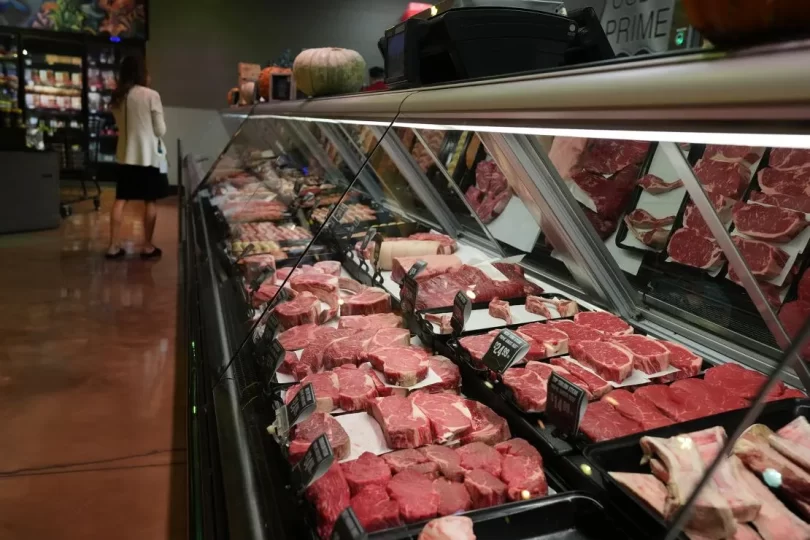

Butcher shops are experiencing a remarkable revival, blending respected traditions with modern-day innovations. The global market is shifting quickly, adapting to new customer preferences and technological advancements. Let’s slice into the most impactful butcher shop trends that are reshaping the meat market landscape for the modern consumer.
Contents
- 1 The Rise of Artisanal Butchery
- 2 Transparency and Traceability
- 3 Diversification of Offerings
- 4 Embracing Plant-Based Options
- 5 Tech-Savvy Operations
- 6 Sustainability Practices
- 7 Customized Meat Subscriptions
- 8 Focus on Health and Nutrition
- 9 Collaboration with Local Chefs
- 10 A Global Perspective on Butcher Shop Trends
- 11 Seasonal and Limited-Edition Offerings
The Rise of Artisanal Butchery
Consumers today are looking for more than a simple slab of meat. They desire an experience, a story, and a deeper connection to the food they eat. Artisanal butchers are meeting this demand by providing high-quality meats, custom cuts, customised meat boxes and personalized service that you can’t find in a conventional grocery store.
These skilled professionals are bringing back old-world techniques and applying them to contemporary tastes. They are not just selling raw cuts; they are selling expertise and a return to quality over quantity. This focus on craftsmanship builds a loyal customer base that values the superior flavor and texture of well-handled meat.
Many modern butcher shops now feature in-house curing and smoking facilities, creating specialty meat products like prosciutto, bacon, and gourmet sausages. This trend directly serves the growing appetite for locally made, high-quality charcuterie and value-added meat products. Forward-thinking butcher shops are constantly innovating their product mix to excite customers.
Transparency and Traceability
Today’s consumers demand to know where their food originates. Butcher shops are responding by providing clear information about their meat suppliers. This includes the farm of origin, detailed animal welfare practices, and sometimes even the name of the farmer.
Some shops are taking transparency a step further with QR codes on packaging, which is a notable trend in the industry. A customer can scan the code to see the full history of their purchase, from pasture to counter. This smart use of technology integration builds trust and satisfies the demand for accountability in the food chain.
This movement is part of a larger conversation around food sustainability and ethical meat consumption. Butchers who champion transparency are better positioned to earn long-term customer loyalty. Providing clear information with a checkbox label or another easy-to-read label label system helps consumers make informed choices about the red meat they purchase.
| Feature | Modern Butcher Shop | Conventional Grocery Meat Department |
| Source & Traceability | Direct relationships with local farms; full traceability is common. | Often sourced from large, centralized distributors; limited traceability. |
| Product Offerings | Custom cuts, aged meats, house-made sausages, and value-added products. | Standardized, pre-packaged cuts with limited variety. |
| Animal Welfare | Emphasis on high animal welfare standards, including grass-fed and pasture-raised options. | Standards vary widely and are often focused on efficiency. |
| Customer Experience | Personalized service, expert advice on cooking and preparation. | Self-service model with minimal staff interaction or expertise. |
| Sustainability | Focus on nose-to-tail butchery to minimize waste and sustainable sourcing. | Higher potential for food waste due to focus on popular cuts only. |
Diversification of Offerings
A modern butcher shop is rarely just about raw meat anymore. Many are shops expanding their product lines to become comprehensive destinations for food enthusiasts. This diversification helps them compete with large grocery stores and appeal to a broader audience of consumers seeking quality.
Ready-to-cook meals are an extremely popular addition to their services offer. These might include marinated meats, stuffed roasts, or pre-made gourmet burger patties. It’s a convenient solution for busy customers who refuse to compromise on the quality of their ingredients.
Some specialty meat markets and online butchers are even branching out into complementary products, enhancing the overall customer experience. You might find artisanal cheeses, local produce, house-made sauces, or craft beers alongside the meat department. This approach transforms a simple shopping trip into a culinary exploration.
Embracing Plant-Based Options
It may seem surprising, but many forward-thinking butcher shops are now offering plant-based alternatives. This trend reflects the growing number of flexitarians, or people who want to reduce meat in their diet without eliminating it entirely. This is a smart adaptation to a changing market.
By including plant-based alternatives and other meat substitutes, butchers can cater to a wider customer base and accommodate households with diverse dietary needs. It also demonstrates an ability to adapt to shifting customer preferences. Some shops are even creating their own plant-based sausages, applying their culinary expertise to this new category.
This strategic move does not mean traditional high-quality meats are disappearing from the modern butcher. Instead, it is about providing more choices and meeting the varied needs of the community. This broadens their appeal and market share.
Tech-Savvy Operations
Technology is revolutionizing how butcher shops operate day-to-day. From advanced inventory management to improved customer engagement, digital tools are streamlining processes. This technology integration is improving the shopping experience from start to finish.
Online ordering and local delivery services have become widespread, especially in urban areas. This allows butchers to reach customers beyond their immediate neighborhood and compete more effectively with larger retailers. A robust online presence is now essential for growth in the shop industry.
Social media is another critical tool for the modern butcher. Butchers are using platforms like Instagram and Facebook to post high-quality images of their products, share recipes, and connect with their community. It is an excellent way to build brand loyalty, announce product launches, and attract new business.
Sustainability Practices
Eco-conscious consumers are driving a powerful trend toward more sustainable practices in butcher shops. This includes commitments to reducing waste, using eco-friendly packaging, and sourcing from sustainable farms. The environmental impact of food production is a major concern for many shoppers.
Many butchers are adopting a nose-to-tail philosophy, using every part of the animal to craft their product offerings. This approach significantly reduces waste and also introduces customers to new and interesting cuts they may not have tried before. It’s an educational process that fosters appreciation for the entire animal.
Some forward-thinking butcher shops are partnering with local farmers who use regenerative agriculture. This collaboration supports farming methods that improve soil health and biodiversity. It also creates a compelling selling point for the butcher, attracting customers who prioritize environmental stewardship.
Customized Meat Subscriptions
Subscription services are becoming a popular business model in the butcher shop world. These programs, often called meat subscription boxes, offer regular deliveries of curated meat selections directly to customers’ homes. It’s a convenient option that provides a steady supply of high-quality meats without frequent trips to the store.
A typical meat subscription will include a mix of popular cuts and specialized products. It is a fantastic way for butchers to introduce customers to their full range of offerings and keep them engaged with new flavors. These subscription boxes often feel like a personalized gift, improving customer relationships.
Some butchers are adding an educational component to the boxes they offer curated for their clients. This might include recipe cards, cooking tips, or information about the farms and animals. This transforms a simple transaction into an enriching culinary experience.
Focus on Health and Nutrition
Health-conscious consumers are a driving force behind the trend for leaner cuts and grass-fed meat products. Butchers are responding by expanding their selection of these items and providing nutritional information. This caters to a growing segment of the population that is mindful of its diet.
Some shops are collaborating with nutritionists to create health-focused meat packages. These might be designed for specific dietary approaches like keto, paleo, or low-fat diets. This level of specialization helps the butcher shop stand out from the meat department at the local supermarket.
There is also a renewed interest in organ meats due to their high nutrient density. Butchers are reintroducing these forgotten cuts to their customers, often with guidance on how to prepare them deliciousy. This helps customers expand their culinary horizons while getting valuable nutrients.
Collaboration with Local Chefs
Many butcher shops are teaming up with local chefs to create specialized products and experiences. This could involve developing custom cuts specifically for restaurant menus or hosting cooking classes inside the shop. These collaborations are beneficial for everyone involved.
Chefs get reliable access to high-quality, specialized meats that elevate their dishes. In return, butchers gain exposure to a new customer base and can demonstrate their extensive expertise. It positions the butcher as a central figure in the local food service community.
Some shops are even hosting pop-up events or dinners featuring local chefs. These events generate excitement and showcase the versatility of their meat products. They help build a community around a shared passion for great food.
A Global Perspective on Butcher Shop Trends
While these trends are prominent in North America, they are part of a larger global market shift. According to recent industry reports, the global meat market size continues to grow, with a significant portion of that growth happening in specialty meat markets. The market expected to continue this trajectory is fueled by rising disposable incomes and a greater interest in premium food products.
In the Asia Pacific region, for instance, there’s a growing demand for high-quality imported red meat, alongside an appreciation for local traditions. Butcher shops there are blending Western butchery techniques with regional preferences to cater to diverse tastes. They are also adapting their product mix to include flavors from various global cuisines.
In the Middle East, there is a strong cultural emphasis on fresh meat, and butcher shops remain a cornerstone of daily life. However, technology integration is changing the customer experience, with online ordering and delivery becoming more common. These markets show how traditional butcher shops are evolving to meet modern expectations without losing their cultural significance.
Seasonal and Limited-Edition Offerings
Butcher shops are effectively using the appeal of seasonality and exclusivity. They offer special cuts or processed meat products that are only available at certain times of the year. This strategy keeps their inventory exciting and encourages customers to visit regularly.
This might include holiday roasts, summer grilling packages filled with gourmet sausages, or wild game meats during hunting season. These limited-time product launches create a sense of urgency and can justify higher prices. They cater directly to specific customer preferences for seasonal eating.
Some butchers are also experimenting with dry-aged meats or special marinades as limited-edition items. It is a smart way to keep their product offerings fresh and interesting for their loyal customer base. These specialized products showcase the butcher’s skill and creativity.
Butcher shop trends are moving quickly, merging rich tradition with smart innovation to create a better experience for meat lovers. From artisanal techniques and sustainable sourcing to technology integration and diverse product offerings, the shop industry is adapting to meet modern consumer demands. Looking ahead, it is clear that butcher shops will continue to be a vital part of our food landscape, offering quality, expertise, and a personal touch that larger retailers simply cannot match.