
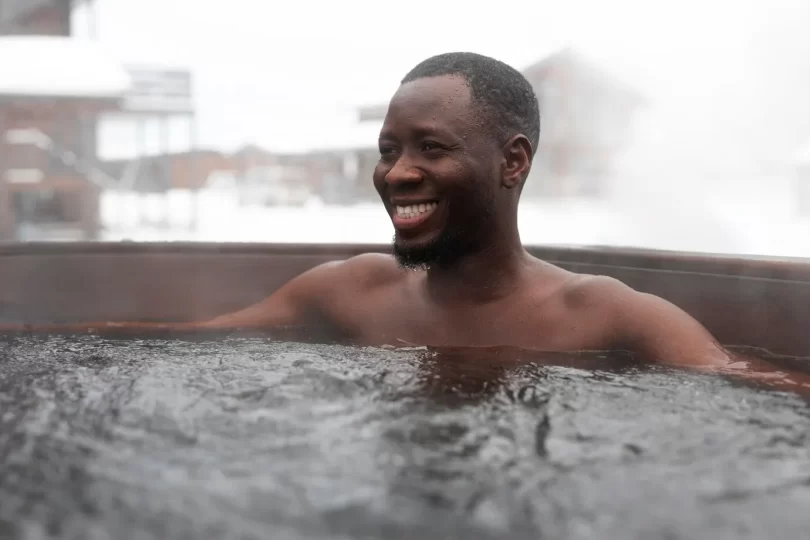

Imagine coming home sore and tired after a workout. You slide into an ice bathtub, and after a few minutes, your body feels lighter. Sounds strange? But cold-water therapy is gaining attention. Many athletes and wellness fans swear by it. But what does science say?
Based on current research, this article explores the benefits of using ice bathtubs. From easing sore muscles to helping the body feel calmer, short cold-water dips might support your health in a few ways. But it’s important to remember! They’re not a cure or a treatment for any illness.
Let’s explore the science behind this chilly trend in a safe, balanced way.
Contents
1. It May Support Muscle Recovery
Your muscles may hurt after you work out. This pain is usually caused by small tears in the muscle fibers, which are common after exercise. Some studies say cold water immersion, like sitting in an ice bath tub, may help ease this pain.
How? For a short time, cold water may make it harder for blood to flow to the muscles. Then, as you get out and warm up, more blood comes in. This process could assist in getting rid of waste and bringing in nutrients. Some studies have found that immersing yourself in cold water may help with soreness or stiffness 24 to 72 hours after working out.
However, outcomes differ for each person, and some academics think further research is needed to validate the long-term consequences. If you work out a lot, an ice bath could help you recover, but you must be careful when using it.
2. It Might Help Reduce Temporary Inflammation
Inflammation is your body’s way of healing. After a challenging workout or injury, it’s normal to have swelling or tenderness. However, excessive swelling can be uncomfortable. This is where cold water can help.
When you are cold, your blood vessels may narrow, which could make swelling go down for a brief time. This could help you recover more quickly. Some studies have shown that spending a short time in cold water may help lower some blood inflammation markers, such as IL-6. When you’re sick or stressed, these markers typically go up.
That said, the body’s inflammatory response is complex. Ice baths should never be used as a substitute for medical care, especially for serious injuries or chronic conditions. However, some people find cold water dips refreshing and calming for general wellness.
3. Some People Feel More Focused and Uplifted After
Have you ever sprayed cold water on your face to wake up? When you take a full-body ice bath, you experience the same shock response, but it’s more pronounced. Many people say that a little dip in cold water makes them feel mentally sharper or even happier.
Why? Some people think that quick exposure to cold may induce the brain to release chemicals that make you happy, such as endorphins and dopamine. These compounds can make you feel better, help you focus, and give you more energy, at least briefly.
A few studies and personal stories show that exposure to cold weather might boost your mental health, but scientists still don’t know how or why. Ice baths aren’t a cure for stress, worry, or depression, but some individuals find them beneficial as part of their self-care routine.
4. It May Build Cold Tolerance and Resilience
When you get into cold water, your heart rate and breathing may speed up. This is a typical way for your body to deal with stress. Some people say that with frequent practice, they feel calmer and more in control when things get stressful, both in and out of the tub.
Some early studies suggest that being chilly may help your body better cope with stress. Some people’s nervous systems change how they respond to cold or pressure later in life. For instance, their heart rate might stay more consistent, and it might be simpler for them to control their breathing.
Still, you should start ice bath training slowly and carefully. If you’re new to it, start with brief dips and consider how your body feels. Never push yourself; always pay attention to how you feel. Different people will react in various ways.
5. Some Users Report Better Sleep and Relaxation
Cold plunges might feel intense while you’re in the tub, but many individuals say they feel very calm afterward. This might be because the body is warming up, sometimes making people feel better.
Some early studies and stories say that exposure to cold may help some people sleep better. Why might this be? Cooling down your body is a normal aspect of getting ready for bed. A frigid dip followed by warming up can assist your brain in knowing that it’s time to sleep.
It’s also likely that less tense muscles and a calmer neurological system are involved. That said, ice baths do not cure sleep problems or insomnia. But it might be worth a try if you’re searching for a natural approach to relax after a long day, as long as you do it carefully.
Things to Keep in Mind When Using an Ice Bath
Ice baths may seem easy, but they can significantly affect your health. So, here are some safety guidelines to remember:
- Begin with a tiny amount: Start with water that is about 15°C and stay for 30 to 90 seconds. Take your time and allow your body to adjust.
- Don’t go too cold: Ice water below 10°C can hurt and be dangerous if you don’t know what you’re doing.
- Find out how healthy you are: If you have heart problems, circulation problems, or any other health difficulties, see a doctor before you start.
- Listen to your body: If you’re shivering, that’s fine, but if you feel numb, dizzy, or have chest pain, you must get out immediately.
- Never plunge alone: Especially if you’re new, have someone nearby if you need help.
Conclusion
People are paying more attention to ice bathtubs because they might help with physical recuperation, mental focus, and general health. Even as science is still developing, some early research and anecdotal experiences suggest that exposure to cold water may benefit you if done carefully and responsibly.
It’s not a miraculous fix, and it’s not meant to address any medical problems. But if you use it correctly, it may become part of your daily self-care. If you have health problems, you should always talk to your doctor before attempting something new. Stay safe, stay curious, and try the cold on your terms.