
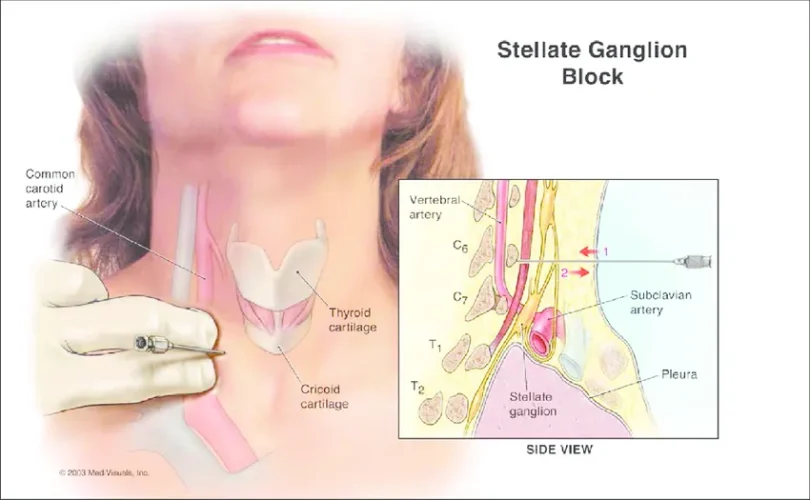

Health challenges that involve chronic pain or overwhelming stress responses often lead people to search for treatments that do more than temporarily mask symptoms. Modern medicine continues to explore therapies that address the underlying nervous system mechanisms responsible for discomfort and emotional strain. Among these approaches, the growing interest surrounding Maui stellate ganglion block procedures reflects a broader curiosity about treatments that work deeper within the body’s communication network. The therapy focuses on a bundle of nerves in the neck connected to the sympathetic nervous system, the same system responsible for the body’s well known fight or flight response. When this system becomes overactive, a wide range of symptoms can appear, sometimes affecting both physical comfort and emotional balance.
The concept behind this treatment may sound technical at first, yet the idea is surprisingly straightforward. Certain medical conditions involve nerve signals that remain switched on when they should settle down. By carefully injecting a local anesthetic near the stellate ganglion, physicians temporarily interrupt those signals. In some cases, that interruption allows the nervous system to recalibrate, which may reduce symptoms that previously seemed stubborn or unpredictable.
Contents
- 1 When Chronic Pain Becomes More Than Physical
- 2 Nerve Pain That Refuses to Settle Down
- 3 Circulation and Vascular Related Symptoms
- 4 A New Direction in Trauma and Stress Response Care
- 5 Anxiety and the Nervous System Connection
- 6 What the Experience Typically Looks Like
- 7 A Growing Interest in Nervous System Reset
- 8 Finding the Right Path Toward Relief
When Chronic Pain Becomes More Than Physical
Pain serves an important purpose in the body. It alerts people when something is wrong. Yet certain conditions cause pain signals to persist long after an injury has healed or when no clear injury is present at all.
One of the most recognized conditions associated with this pattern is complex regional pain syndrome. Individuals living with this disorder often describe intense burning sensations, swelling, and changes in skin sensitivity. The discomfort may begin after a relatively small injury, yet the nervous system continues to amplify the pain signals.
Because the sympathetic nervous system plays a role in regulating blood flow and nerve responses, its involvement can make symptoms more severe. Stellate ganglion block therapy has long been explored as a way to interrupt those overactive signals. Some patients experience relief when the nervous system temporarily steps away from its cycle of heightened response.
The relief may not always appear instantly, yet the process sometimes opens a window for the body to regain a more balanced rhythm.
Nerve Pain That Refuses to Settle Down
Another group of conditions connected to this therapy involves neuralgia, a term used to describe pain caused by irritated or damaged nerves. Unlike muscle soreness or joint discomfort, nerve pain tends to feel sharper, often described as stabbing, tingling, or electric.
This type of pain can appear in different areas of the body depending on which nerves are involved. Certain cases involve the upper body, including the neck, shoulder, or arms. When the sympathetic nervous system contributes to the intensity of these signals, treatments that calm this network may offer meaningful support.
A stellate ganglion block works by influencing that communication pathway. The anesthetic placed near the nerve bundle creates a temporary pause in sympathetic activity. During that period, the nervous system may experience a reset of sorts, allowing pain signals to diminish in intensity.
For individuals who have tried multiple pain management approaches without success, this possibility often feels encouraging.
Circulation and Vascular Related Symptoms
The sympathetic nervous system does more than control stress responses. It also plays a role in regulating blood vessels and circulation throughout the body.
Certain vascular conditions involve narrowed or overly reactive blood vessels, particularly in the hands and arms. When these vessels constrict too strongly, symptoms such as cold sensitivity, discoloration of the skin, or numbness may appear.
Because the stellate ganglion influences blood flow to these regions, blocking its signals temporarily may help blood vessels relax. Improved circulation can sometimes reduce discomfort and restore a more normal temperature in the affected areas.
A New Direction in Trauma and Stress Response Care
In recent years, attention surrounding this therapy has expanded beyond physical pain conditions. Researchers and physicians have begun exploring how the sympathetic nervous system affects emotional responses to stress and trauma.
The fight or flight response evolved to help humans react quickly to danger. Heart rate rises, muscles prepare for action, and awareness sharpens. In healthy circumstances, the body returns to a calmer state once the threat has passed.
For individuals living with post traumatic stress disorder, that return to calm does not always happen smoothly. The nervous system may remain on high alert, reacting strongly to reminders of past trauma. This heightened state can lead to sleep disturbances, anxiety, and a constant sense of tension.
Stellate ganglion block therapy has drawn attention because it may influence the same sympathetic pathways involved in this stress response. By temporarily blocking those signals, the nervous system may shift away from its constant state of alarm.
Anxiety and the Nervous System Connection
Anxiety disorders can have many contributing factors, from psychological experiences to biological responses within the brain and nervous system. One element that often appears in anxiety is an overactive stress response.
When the sympathetic nervous system remains stimulated, the body may experience symptoms such as rapid heartbeat, restlessness, and difficulty relaxing. Even when the mind understands that no immediate danger is present, the body can continue reacting as though a threat remains nearby.
Therapies that influence the sympathetic system are therefore being studied as potential tools for certain anxiety related conditions. Stellate ganglion block therapy is not a replacement for counseling or psychological support, yet it may complement other approaches when nervous system hyperactivity plays a role.
What the Experience Typically Looks Like
Although the concept may sound complicated, the procedure itself is usually performed in an outpatient setting. Physicians often use ultrasound guidance to ensure the anesthetic reaches the precise location near the stellate ganglion.
The treatment generally takes a short amount of time. Patients remain awake while the physician carefully performs the injection. Temporary effects may appear soon after the procedure, sometimes including warmth in the face or changes in sensation around the neck area. These reactions are usually expected and tend to fade as the anesthetic wears off.
While the immediate anesthetic effect lasts only several hours, the therapeutic benefits may develop gradually over the following days. Some individuals notice improvements within a week, while others observe changes closer to ten days later.
A Growing Interest in Nervous System Reset
Medical research continues to evolve as scientists learn more about how the nervous system influences both physical and emotional health. Treatments that once focused strictly on pain management are now being studied for broader applications involving stress regulation and trauma recovery.
Stellate ganglion block therapy stands out because it targets a central communication hub within the sympathetic nervous system. Rather than addressing symptoms one by one, the treatment attempts to influence the network responsible for generating those symptoms.
Finding the Right Path Toward Relief
Health decisions rarely follow a straight path. Every person experiences symptoms differently, and treatments that work well for one individual may not be the best option for another.
Exploring therapies that interact with the nervous system requires thoughtful discussion with qualified medical professionals. A careful evaluation of symptoms, medical history, and personal goals helps determine whether this approach may be appropriate.
For some individuals, the possibility of calming an overactive nervous system represents more than a medical procedure. It offers hope for regaining balance, improving daily comfort, and reconnecting with a sense of normalcy that once felt distant.