
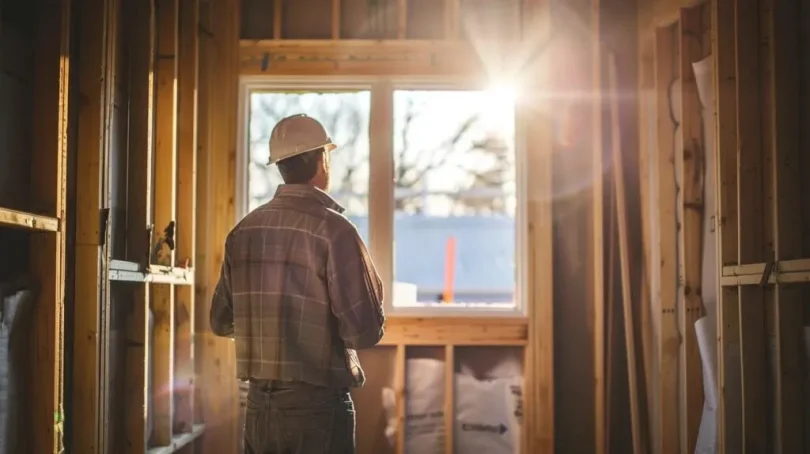

Picture this: you finally saved up enough cash to build that gorgeous cedar deck you’ve been dreaming about for years. You spend a weekend sawing, hammering, and sweating in the sun. By Sunday night, you’re sitting back with a cold drink, admiring your handiwork. However, before starting any major home improvement project, hiring a licensed construction contractor is the best way to avoid severe city fines and a strict order to tear the whole thing down.
Contents
Replacing Your Water Heater or HVAC Unit
Most people view a broken water heater as an emergency plumbing fix, not a construction project. When the hot water stops flowing, you want a new tank installed as fast as possible. However, in many municipalities, swapping out a water heater or installing a new central air conditioning unit requires a mechanical or plumbing permit.
Local governments enforce these rules to ensure safety. A poorly installed gas water heater can leak carbon monoxide into your home, and a bad electrical connection on an AC unit can spark a fire. If you replace these systems without a permit, you might run into serious trouble during a future home inspection when you put your house on the market.
Building a Backyard Fence
You own your land, so you should be able to put up a privacy fence around your own yard, right? Not so fast. Fencing is one of the most common triggers for neighborhood disputes and code violations.
Cities have strict rules regarding how high a fence can be, especially in front yards, where high structures can block the view of drivers at intersections. There are also rules about how close a fence can be to the actual property line. If you build a beautiful new boundary wall even a few inches over your line or past the legal height limit, city code enforcement can force you to take it down at your own expense.
Cutting Down Mature Trees
If a tree is rooted firmly on your property, you might think you have the absolute right to chop it down. However, many cities and suburban towns have strict tree preservation ordinances.
Local governments protect mature trees. Most people don’t know this and make a mistake. These trees are prioritized for helping control soil erosion and manage stormwater runoff. They also keep the environment cool and fresh. Thus, removing a large oak or pine tree without checking city bylaws first can result in staggering fines. It can cost thousands of dollars per tree. Always check with your local planning department before bringing out the chainsaw.
Installing a New Shed
Prefabricated backyard sheds are incredibly popular right now. You can buy them at any local home improvement store, and they look like an easy weekend DIY project. Because they are freestanding structures, homeowners assume they are exempt from city rules.
While small tool sheds might bypass the system, anything over a certain square footage usually requires a building permit. Even if the size allows you to skip the permit, you still have to follow setback rules. Setback rules dictate exactly how far a structure must sit from the following areas:
- Property lines
- Easements
- Your main house
Cutting the Curb for a Driveway Widening
As families grow and more teenagers start driving, household driveway space runs out quickly. Widening a driveway seems like a simple way to get cars off the street.
The issue here is the curb. The moment your project touches the sidewalk or alters the curb, you are working on public property. Altering a driveway apron requires a specific right-of-way permit. The city needs to ensure that your new driveway layout does not interfere with street drainage or create a safety hazard for pedestrians walking on the sidewalk.
Final Word
Navigating local building codes can feel like a bureaucratic nightmare, but ignoring the rules always costs more in the long run. Unpermitted work can ruin a future home sale, void your homeowners’ insurance policy, and result in expensive code penalties. Before you start tearing down walls or pouring concrete, protect your investment by doing your homework or partnering with a reputable construction contractor who understands local regulations. Taking a few extra days to secure the proper paperwork ensures your dream home improvement project stays a dream, not a financial disaster.