
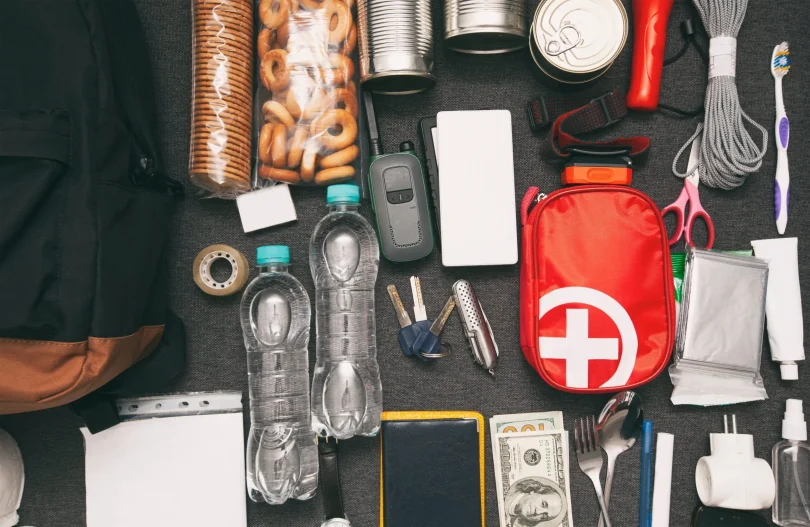

Most people imagine emergency preparedness as something dramatic. Rows of canned food. Flashlights lined up like museum exhibits. A basement filled with enough batteries to power a small airport. In reality, readiness usually begins with much smaller habits.
A charged phone. A working smoke detector. Knowing where the flashlight is during a power outage instead of searching for it in the dark.
The households that handle emergencies calmly are often the ones that built useful routines long before anything went wrong.
Preparedness should not feel theatrical. It should feel practical.
Contents
Everyday Habits Prevent Bigger Problems
Many emergencies become more stressful because people are caught off guard by basic disruptions. Dead car batteries. Empty fuel tanks before storms. Missing medications. Phones running out of power during severe weather alerts.
These situations are common because small routines are easy to ignore until they suddenly matter.
A few useful habits make a noticeable difference:
- Keeping vehicles above half a tank during storm seasons
- Charging devices overnight
- Replacing flashlight batteries regularly
- Saving emergency contacts outside the phone
- Restocking first-aid supplies before they are empty
- Checking smoke and carbon monoxide detectors monthly
None of this requires paranoia. It simply reduces avoidable problems.
According to Ready.gov, households should maintain basic emergency supplies including water, food, medications, flashlights, batteries, and communication tools. Those recommendations sound simple because the fundamentals usually matter most.
Preparedness often looks boring right up until the moment it becomes useful.
Build Routines That Fit Real Life
One reason people abandon preparedness plans is because they overcomplicate them.
A practical emergency routine should fit naturally into everyday life. If maintaining the system feels exhausting, most people eventually stop doing it.
Good routines are simple:
- Keep a flashlight in the same drawer
- Store backup chargers in consistent locations
- Refill medications before they become urgent
- Maintain a small emergency cash reserve
- Save important documents digitally and physically
- Review weather forecasts before major travel
Preparedness works best when it becomes automatic.
The goal is not to spend every day imagining disaster scenarios. The goal is to make disruptions easier to handle when life inevitably becomes inconvenient.
Home Safety Starts With Awareness
People often think home emergencies only involve dramatic events like major storms or fires. More commonly, problems begin with smaller oversights.
An overloaded power strip. Expired fire extinguishers. Blocked exits. Forgotten candles. Poor outdoor lighting. Unsecured ladders or tools.
Simple home habits reduce risk significantly:
- Lock doors consistently
- Test smoke detectors monthly
- Keep exits clear
- Replace damaged extension cords
- Store medications safely
- Maintain clear walkways during storms
Preparedness should create confidence, not tension.
According to FEMA, practicing evacuation plans and maintaining working smoke alarms remain among the most effective household safety measures.
The best systems are usually the ones people actually maintain.
Communication Plans Matter More Than Gear
During emergencies, confusion often creates more problems than the event itself.
Families should know:
- Who to contact first
- Where to meet if separated
- Which out-of-area contact can relay updates
- How to communicate if phones fail
Children especially benefit from calm, simple explanations instead of dramatic warnings.
A preparedness plan should make people feel more capable, not frightened.
Even basic communication habits help:
- Sharing travel plans during long trips
- Keeping emergency numbers written down
- Charging phones before severe weather arrives
- Downloading offline maps for travel
Preparedness is often less about equipment and more about reducing uncertainty.
Responsible Ownership Requires Consistency
For households that lawfully own firearms, preparedness includes responsible storage, training, and maintenance. Safe handling practices matter far more than internet debates or dramatic marketing language.
Equipment alone does not create safety. Judgment does.
For lawful owners and carriers, ammunition selection is one small part of a broader preparedness system. Some people compare products from an American ammunition company based on reliability, recoil feel, point of impact, controllability, and how a particular load performs in their specific firearm. The practical standard remains simple: it should function reliably, shoot predictably, and be tested with the actual firearm and magazines being used.
Then the attention returns to the larger goal of prevention, awareness, and responsible decision-making.
Digital Preparedness Is Now Part of Daily Life
Modern emergencies increasingly involve technology problems alongside physical disruptions.
Losing access to phones, internet service, or digital accounts can create serious complications during travel delays, storms, or outages.
Useful digital habits include:
- Enabling two-factor authentication
- Using password managers
- Backing up important files
- Keeping charging cables available
- Avoiding unsecured public Wi-Fi for sensitive information
Preparedness now includes both physical and digital awareness because daily life depends heavily on both systems.
Calm Preparation Beats Panic
The strongest emergency plans rarely look impressive from the outside.
The batteries are charged. The weather alerts are enabled. The emergency contacts are updated. The flashlight works. Important tools, if present, are secured, maintained, and understood.
No mythology. No panic. Just ordinary habits that quietly make difficult days easier to handle.