

Outdoor projects really involve just one task from start to finish. A crew may begin the day by clearing brush, move on to handling fallen branches, and then spend the afternoon cleaning up debris.
Because of this variation, efficiency often depends on how well equipment can adapt to different jobs. Relying on a separate machine or attachment for every task can slow progress and create unnecessary interruptions.
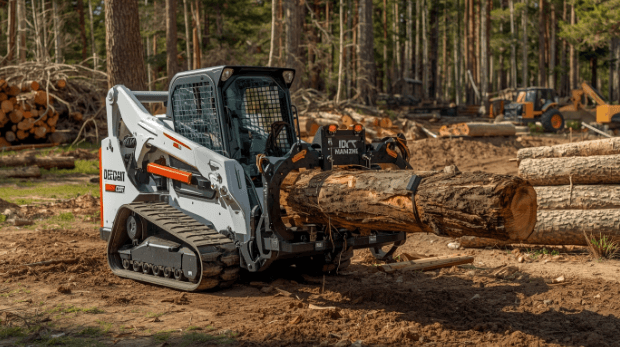
This is why equipment like a mini skid steer grapple has gained attention in outdoor operations. It is designed to assist with material handling and cleanup tasks that reflect a broader industry focus on versatility. As job-site demands continue to evolve, adaptable equipment is becoming an important part of maintaining productivity.
Let’s look at 5 ways through which equipment versatility can improve outdoor operations.
Contents
1. Saves Time
Time is one of the most valuable resources on any outdoor project. Whether the work involves landscaping, property maintenance, or site cleanup, delays can quickly affect schedules and labor costs.
Equipment that is adaptable helps in reducing delays by allowing operators to complete multiple tasks without switching between different tools or machines. Now, crews can continue moving efficiently without bringing any additional equipment.
Every project is different, but reducing interruptions can lead to smoother workflows and more productive workdays. Over time, even small time savings can make a noticeable difference in overall project efficiency.
2. Makes Material Handling Easier
Moving materials is often one of the most time-consuming parts of outdoor work. Logs, brush, rocks, and debris can be difficult to handle, especially when they need to be moved repeatedly across a jobsite.
Using equipment designed to manage different types of materials can simplify this process. A mini skid steer grapple, for example, can help operators pick up and move bulky items that would otherwise require additional labor or multiple pieces of equipment.
Efficient material handling does more than save effort. It keeps workspaces organized, also improves workflow and reduces the amount of time spent on cleanup activities. When materials can be moved quickly and safely, crews are often able to focus more attention on the primary task at hand.
3. Handles More Types of Work
Outdoor operations can vary significantly from one project to the next. A contractor may spend one day working on property maintenance and the next helping with land clearing or storm cleanup.
A variety of tasks are supported by equipment that provides greater flexibility in these situations. And, rather than being limited to a single application, versatile equipment can often be used across different types of projects.
This flexibility is valuable when job requirements change unexpectedly.
Instead of needing additional equipment to address a new challenge, crews can often adapt using the resources they already have available. As a result, projects can continue moving forward without major disruptions.
4. Get More Out of Equipment
Each piece of equipment is a time, monetary and maintenance investment. This is why many operators are seeking ways to use their equipment to its fullest capacity.
For example, versatile equipment can help achieve that objective by being able to be used for multiple applications during the project. It does not stand around waiting for a particular need to occur, but can help by adding value at various points of the job.
This expanded use can lead to more efficient use of equipment and increase crews’ productivity and effectiveness. In reality, it translates to machines being productive instead of waiting for jobs to be ready.
5. Adapts to Changing Conditions
The environment outside is often unpredictable. Weather, terrain, debris, and site conditions can all influence how the work will progress. Even with proper and pre-planned projects, these unexpected obstacles can come along the way.
With adaptable equipment, it will be easier to respond to these changes. For example, a mini skid steer grapple can help in handling a range of materials that may not be anticipated at the start of a project.
And even when conditions are not in your hands, the ability to adjust this quickly can help the crew stay productive. With power, flexibility is as important when it comes to maintaining efficiency.
Conclusion
Improving outdoor operations is not always about adding more equipment. Often, it comes down to choosing equipment that can perform well across a variety of tasks. Versatility can help save time, simplify material handling, support different types of work, improve equipment utilization, and provide greater flexibility when conditions change.
As outdoor projects continue to evolve, equipment that is adaptable is likely to remain an important part of efficiency and productive operations.