
The india national cricket team vs afghanistan national cricket team match scorecard from the third T20I on September 17, 2026, records a commanding performance by India at Arun Jaitley Stadium in Delhi. India posted 221/7 in 20 overs before dismissing Afghanistan for 94 in 14.1 overs, securing a 127-run victory and completing a strong finish to the three-match T20I series.
The india national cricket team vs afghanistan national cricket team match scorecard highlights an extraordinary batting display from Abhishek Sharma, who smashed 108 from only 34 deliveries. Sanju Samson supported him with 50 from 35 balls, helping India establish a powerful platform. Afghanistan struggled to build partnerships during the chase, allowing India’s bowlers to maintain control throughout the second innings. (Cricbuzz)
For readers following afghanistan national cricket team vs india national cricket team match scorecard updates, this encounter stands out because of the difference between India’s batting acceleration and Afghanistan’s response. India’s total required an aggressive chase, but regular wickets prevented Afghanistan from creating sustained pressure.
The afghanistan vs india rivalry has featured several competitive encounters across formats, including high-scoring T20 matches and tactical battles between Afghanistan’s spin attack and India’s batting depth. This match offered a particularly clear example of how a powerful opening partnership and disciplined bowling can shape a result.
Contents
Overview of the Match
The india national cricket team vs afghanistan national cricket team match scorecard provides the foundation for understanding the match’s major turning points. India won the toss and elected to field in the earlier T20Is of the series, but Afghanistan chose to bowl in the third match, giving India the opportunity to establish a target under the Delhi conditions.
Date, Venue, and Format
The third T20I took place on September 17, 2026, at Arun Jaitley Stadium in Delhi. The match was part of the three-game T20I series between India and Afghanistan.
India scored 221/7 from 20 overs, setting a target of 222. Afghanistan were dismissed for 94 in 14.1 overs, giving India a 127-run victory. Abhishek Sharma’s 108 off 34 balls was the leading individual performance of the match. (Cricbuzz)
The india national cricket team vs afghanistan national cricket team match scorecard therefore reflects a contest dominated by India’s explosive batting and effective bowling. Although Afghanistan had opportunities to attack, the early loss of wickets made the target increasingly difficult to reach.
Brief Summary of the Match Outcome
India’s innings began with Sanju Samson and Abhishek Sharma establishing an aggressive scoring rate. Samson scored 50 from 35 deliveries, while Abhishek attacked the bowling with a remarkable combination of timing and power.
Abhishek’s 108 included nine fours and eleven sixes. His strike rate exceeded 317, putting immediate pressure on Afghanistan’s bowlers and lifting India beyond the 200-run mark.
Afghanistan’s reply never reached a similar level of momentum. Ibrahim Zadran scored 25, Rahmanullah Gurbaz made 15, and Azmatullah Omarzai contributed 17. However, India’s bowlers continued taking wickets until Afghanistan were all out for 94.
The india vs afg result was a 127-run victory for India, one of the largest margins in this T20I series.
Significance of the Encounter for Both Teams
The india national cricket team vs afghanistan national cricket team match scorecard offers insights into both teams’ strengths and areas requiring attention.
For India, the match demonstrated the value of aggressive top-order batting supported by a varied bowling attack. Abhishek’s century established the platform, while Samson’s fifty ensured India had a stable partner at the other end.
Afghanistan, meanwhile, had difficulty responding to a large target after losing wickets at regular intervals. Their middle order needed more substantial partnerships to keep the chase alive.
The indian vs afghanistan matchup also highlighted the tactical challenge posed by India’s combination of pace, spin, and batting depth. Afghanistan possess experienced players, but this particular performance showed how difficult it can be to recover when the required rate rises early.
Detailed Scorecard Breakdown
The india national cricket team vs afghanistan national cricket team match scorecard can be divided into two contrasting innings. India’s batters attacked throughout their 20 overs, while Afghanistan struggled to establish the partnerships required for a successful chase.
India’s Innings Performance
India finished with 221/7 from 20 overs at a run rate of 11.05 per over.
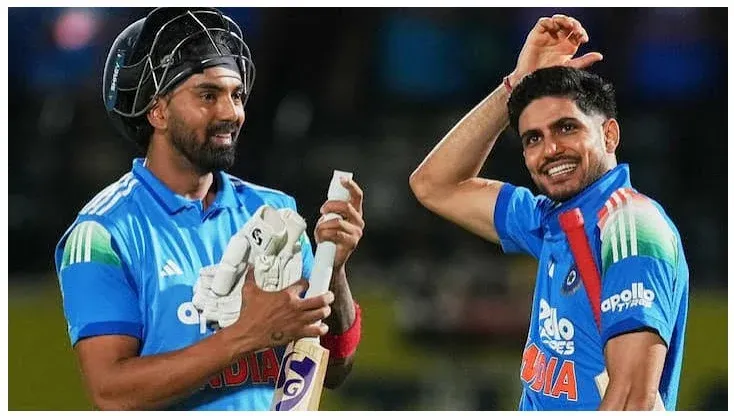
Sanju Samson scored 50 from 35 balls, hitting two fours and four sixes. His innings provided a stable foundation and allowed Abhishek Sharma to attack more freely at the other end.
Abhishek scored 108 from 34 deliveries, including nine fours and eleven sixes. His innings transformed India’s total from a competitive score into a challenging target.
Shreyas Iyer contributed 29 from 20 balls, including two sixes, while Shivam Dube added 14 from ten deliveries. Ishan Kishan scored ten, and Tilak Varma made two. India’s lower order added a few further runs to finish at 221/7. (Cricbuzz)
The india national cricket team vs afghanistan national cricket team match scorecard shows how India’s top-order performance created the foundation for the victory. Abhishek’s strike rate placed the bowling attack under constant pressure, while Samson’s fifty helped maintain the scoring rate.
Afghanistan’s Innings Performance
Afghanistan’s chase ended at 94 all out in 14.1 overs.
Rahmanullah Gurbaz scored 15 from 11 balls, while captain Ibrahim Zadran made 25 from 16 deliveries. These contributions offered a brief start, but Afghanistan could not maintain the momentum.
Azmatullah Omarzai scored 17 from 13 balls, and Noor ul Rahman added 11. Mohammad Nabi, Rashid Khan, and the lower order could not produce a substantial recovery.
The afghanistan national cricket team vs india national cricket team match scorecard shows that Afghanistan lost wickets too quickly to build a meaningful partnership. India’s attack repeatedly interrupted the chase, leaving the lower order with an increasingly difficult task.
Afghanistan’s final total of 94 represented a sharp contrast with India’s 221. The 127-run margin reflected India’s advantage in both batting execution and bowling effectiveness.
Key Partnerships and Turning Points
india national cricket team vs afghanistan national cricket team match scorecard partnership between Samson and Abhishek was the central feature of the first innings. Samson provided stability, while Abhishek converted scoring opportunities into boundaries and sixes.
Abhishek’s century arrived in only 34 balls, demonstrating how quickly a T20 innings can change when a batter sustains an aggressive approach. His dismissal eventually gave Afghanistan a breakthrough, but India had already established a formidable total.
During Afghanistan’s innings, the loss of early wickets prevented the batters from building a comparable partnership. Ibrahim Zadran’s 25 was one of the more substantial contributions, but he could not turn his start into a match-changing innings.
The india vs afg scorecard therefore illustrates the importance of partnership value. India’s leading batters combined stability with acceleration, while Afghanistan lacked the sustained partnerships required to challenge the target.
Bowling Analysis for Both Sides
India’s bowlers combined pace and spin to dismiss Afghanistan for 94. Nitish Kumar Reddy finished with 3/25 from four overs, while Axar Patel took two wickets and Azmatullah Omarzai was among Afghanistan’s leading bowlers in India’s innings with 2/27.
Ravi Bishnoi and Jasprit Bumrah also contributed important breakthroughs. Yash Thakur claimed a wicket, helping India maintain pressure as Afghanistan’s innings progressed.
For Afghanistan, Omarzai was the leading wicket-taker with 2/27. Rashid Khan also took a wicket, but India’s aggressive approach meant that several bowling spells were expensive.
The india national cricket team vs afghanistan national cricket team match scorecard reveals a major difference in how the two bowling attacks handled pressure. India kept taking wickets during the chase, while Afghanistan struggled to contain Abhishek and Samson during the first innings. (Cricbuzz)
Player Highlights and Individual Performances
The india national cricket team vs afghanistan national cricket team match scorecard contains standout performances with both bat and ball. Abhishek Sharma led the batting display, Samson contributed a valuable half-century, and Nitish Kumar Reddy played a key role in the bowling effort.
Top Batsmen and Their Contributions
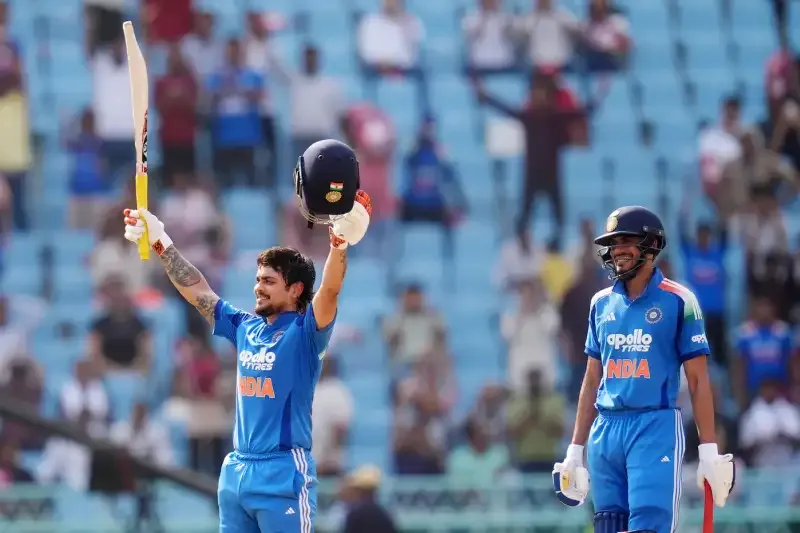
Abhishek Sharma was the leading batter of the match with 108 from 34 balls. His innings contained nine fours and eleven sixes, making him the central figure in India’s total of 221/7.
Sanju Samson scored 50 from 35 deliveries. His innings was less explosive than Abhishek’s, but it helped India avoid an early collapse and provided a platform for the middle order.
Shreyas Iyer contributed 29 from 20 balls, including two sixes. His runs helped India maintain its scoring momentum after the dismissal of the opening batters.
For Afghanistan, Ibrahim Zadran’s 25 was the highest score in the chase. Azmatullah Omarzai’s 17 and Rahmanullah Gurbaz’s 15 were useful contributions, but none of the batters produced a long innings.
The afghanistan national cricket team vs india national cricket team match scorecard therefore highlights a difference in the quality and duration of the most important innings. India’s leading batters made major contributions, while Afghanistan’s highest scores remained comparatively modest.
Notable Bowling Spells and Wicket-Takers
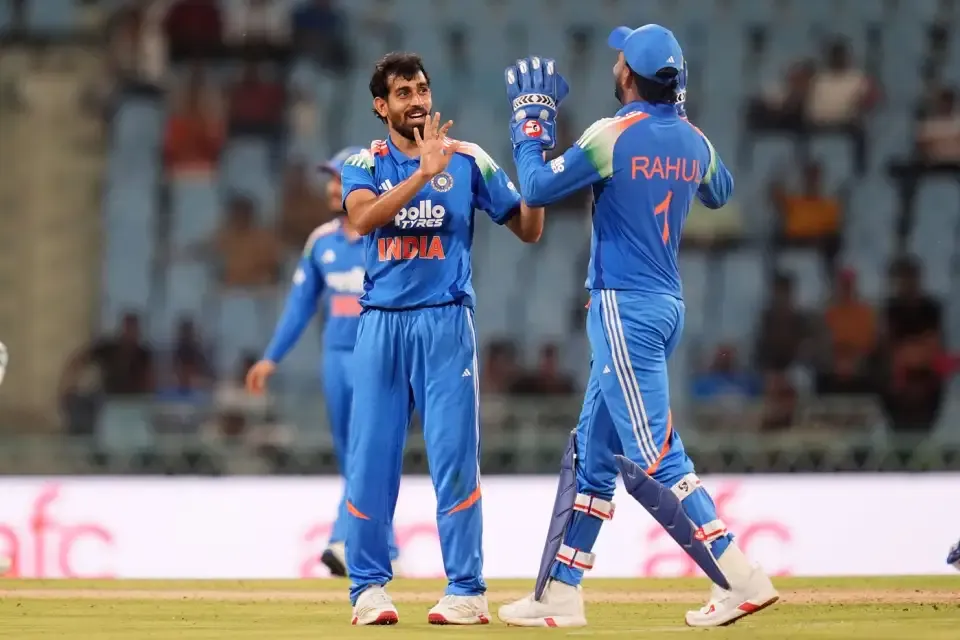
India national cricket team vs afghanistan national cricket team match scorecard Nitish Kumar Reddy’s 3/25 was a key contribution in India’s defense of the target. His wickets helped prevent Afghanistan from building a stable middle order.
Axar Patel also contributed with two wickets, using his control and variations to disrupt the batting lineup. Ravi Bishnoi added another important breakthrough, while Jasprit Bumrah’s pace created pressure at the start of the innings.
Afghanistan’s bowling effort included Omarzai’s 2/27 and a wicket from Rashid Khan. However, the attack could not limit Abhishek’s scoring or stop India’s total from exceeding 220.
The india vs afg contest demonstrates how wicket-taking and run control work together. India’s bowlers did not rely only on restricting runs; they also removed batters before partnerships could develop.
Fielding Highlights and Impact on the Game
Fielding contributed to India’s control during the chase. Catching opportunities were converted, and Afghanistan’s batters found it difficult to maintain momentum after losing established players.
India’s fielders supported the bowling attack by holding catches and preventing the chase from gaining stability. Each wicket increased the pressure on the next batter, particularly once Afghanistan fell behind the required scoring rate.
Afghanistan also created opportunities during India’s innings, but the impact was limited because Abhishek had already scored rapidly and Samson had provided a strong foundation.
The indian vs afghanistan matchup showed that fielding is especially important when defending a high total. A clean catch or a well-executed run-out can prevent a dangerous partnership from developing.
Tactical and Strategic Insights
The india national cricket team vs afghanistan national cricket team match scorecard offers several tactical lessons about batting intent, bowling changes, and the importance of maintaining pressure during a T20 match.
Team india national cricket team vs afghanistan national cricket team match scorecard
India selected a lineup combining aggressive top-order batters, middle-order hitters, pace options, and spin resources. Samson and Abhishek opened the innings, while Iyer, Tilak Varma, Dube, and Kishan provided additional batting depth.
The bowling attack featured Bumrah, Arshdeep Singh, Axar Patel, Bishnoi, Thakur, and Nitish Kumar Reddy. This combination offered different options for powerplay overs, middle-overs control, and late-innings wickets.
Afghanistan relied on experienced players such as Ibrahim Zadran, Gurbaz, Nabi, and Rashid Khan, supported by younger batters and all-rounders. Their combination offered both spin and pace, but the attack struggled to contain india national cricket team vs afghanistan national cricket team match scorecard aggressive batting.
The afghanistan vs india fixture demonstrated that team balance alone is not enough. The effectiveness of each role depends on how well players execute their plans under match pressure.
Captaincy Decisions and Their Impact
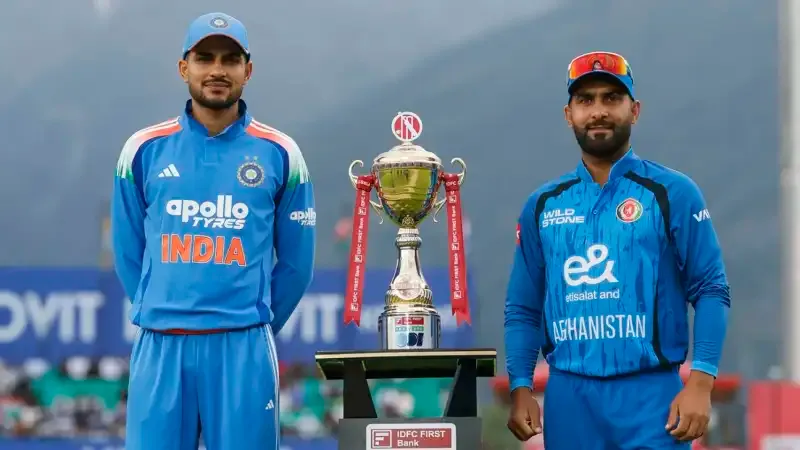
Afghanistan won the toss and chose to field, aiming to restrict India before chasing the target. However, Abhishek’s explosive innings quickly challenged that strategy.
Once India passed 150 with overs remaining, Afghanistan faced the possibility of defending a total above 200. The bowling attack needed wickets to slow the scoring rate, but Samson’s contribution and India’s middle-order support maintained the pressure.
During the chase, India continued to attack through disciplined bowling changes. The team used pace and spin to create different challenges for Afghanistan’s batters.
The india national cricket team vs afghanistan national cricket team match scorecard shows that the initial toss decision did not determine the outcome. The decisive factors were India’s batting execution and its ability to take wickets consistently.
Game-Changing Moments and Strategies Employed
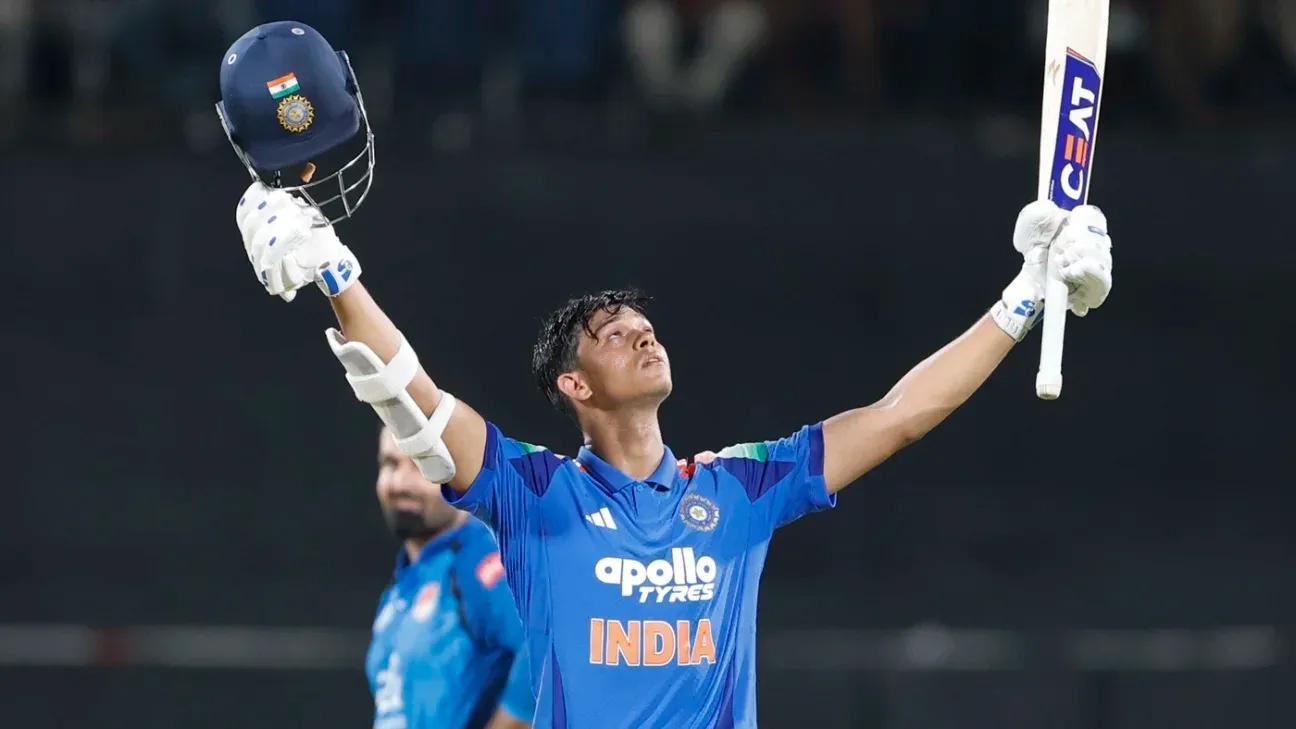
Abhishek’s century was the defining moment of the match. Scoring 108 from 34 balls gave India a substantial advantage and changed the expectations for Afghanistan’s chase.
Samson’s fifty was another important contribution because it provided support at the other end. Together, the two batters prevented Afghanistan from building early control through wickets.
Afghanistan’s chase became increasingly difficult as wickets fell. Ibrahim Zadran’s 25 offered some resistance, but the team could not establish the long partnership required to make the target realistic.
The india vs afg scorecard therefore highlights a basic T20 principle: a strong total becomes far more difficult to chase when the defending team combines scoreboard pressure with regular wickets.
Post-Match Reactions and Future Implications
The india national cricket team vs afghanistan national cricket team match scorecard provides a useful basis for evaluating both teams’ performances and identifying lessons for future international fixtures.
Statements from Players and Coaches
The most clearly documented recognition following the match was Abhishek Sharma receiving both Player of the Match and Player of the Series honours. His 108 from 34 balls in the third T20I capped a productive series. (NDTV Sports) india national cricket team vs afghanistan national cricket team match scorecard
The performance also highlighted the contribution of Samson, whose fifty provided a solid opening partnership, and Nitish Kumar Reddy, whose three wickets helped end Afghanistan’s chase.
For Afghanistan, the result offered clear areas for review, including the need to protect wickets in the early overs and establish stronger middle-order partnerships against a large target.
Impact on Rankings and Team Morale india national cricket team vs afghanistan national cricket team match scorecard
The afghanistan national cricket team vs india national cricket team match scorecard records a 127-run win in the final T20I, but a single match result should not be treated as a complete measure of either team’s international standing.
India’s performance demonstrated strong batting depth and a versatile bowling attack. Such performances can provide confidence, although future results will depend on opposition, venue, conditions, and team selection.
Afghanistan’s defeat showed the challenges of chasing a high total against an attack capable of taking wickets at regular intervals. The team can use the match to assess its powerplay approach and middle-order response.
The indian vs afghanistan rivalry remains relevant because both teams have players capable of changing matches through aggressive batting, spin bowling, and all-round contributions.
Outlook for Upcoming Fixtures and Series
India can take several positives from the match, especially Abhishek’s attacking approach, Samson’s supporting innings, and the bowling unit’s ability to defend a large total.
Afghanistan’s future preparations may focus on building partnerships, managing early wickets, and improving the response to aggressive top-order batting. Its experienced players, including Rashid Khan and Mohammad Nabi, remain important resources for the team’s tactical planning.
The india national cricket team vs afghanistan national cricket team match scorecard will also be useful for analysts comparing the teams across formats. T20 cricket rewards rapid scoring and flexible tactics, while ODI and Test matches require different approaches to innings construction and bowling workloads.
The central lesson from this encounter is that teams must adapt quickly. India used an aggressive batting strategy to establish a large total and then maintained pressure with the ball. Afghanistan could not produce the same level of sustained execution.
Conclusion
The india national cricket team vs afghanistan national cricket team match scorecard from September 17, 2026, records India’s 127-run victory in the third T20I at Arun Jaitley Stadium, Delhi.
India scored 221/7 in 20 overs, led by Abhishek Sharma’s outstanding 108 from 34 balls and Sanju Samson’s 50 from 35 deliveries. Afghanistan were bowled out for 94 in 14.1 overs, unable to establish the partnerships needed to challenge the target.
The afghanistan national cricket team vs india national cricket team match scorecard highlights the importance of batting acceleration and bowling consistency. India’s leading batters created the advantage, while Nitish Kumar Reddy and the rest of the bowling attack prevented Afghanistan from recovering.
The afghanistan vs india contest also demonstrated how a strong opening partnership can determine the direction of a T20 match. Abhishek and Samson gave India the platform to reach 221, while Afghanistan’s chase was interrupted by regular wickets.
For readers researching india vs afg, the match offers a clear statistical picture of India’s control across both innings. The 127-run margin reflected a major difference in scoring speed, partnership building, and wicket-taking.
The indian vs afghanistan encounter also delivered individual milestones, with Abhishek earning Player of the Match and Player of the Series honours. His performance was the defining contribution of the series finale.
Ultimately, the india national cricket team vs afghanistan national cricket team match scorecard shows how explosive batting, useful partnerships, and disciplined bowling can combine to produce a decisive result. India finished the match with a comprehensive victory, while Afghanistan gained important information for future preparation and tactical improvement.