
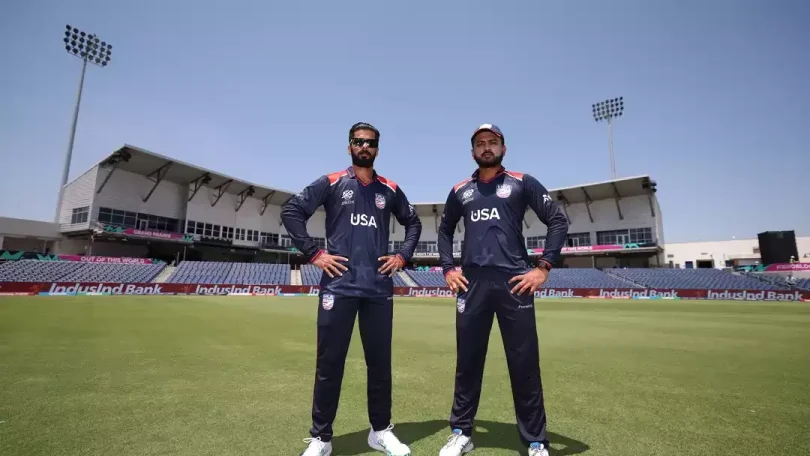

The Canada national cricket team vs United States national cricket team rivalry represents an important chapter in the development of international cricket across North America. Although cricket has historically received less attention than ice hockey, baseball, basketball, and American football in these countries, the sport is gradually attracting new audiences through international tournaments, professional leagues, and community participation.
The competition between Canada and the United States combines sporting ambition, cultural diversity, and a shared determination to establish cricket as a more prominent part of the North American sporting landscape. Their encounters provide opportunities for emerging players to demonstrate their abilities while giving supporters a compelling contest between two neighboring nations.
Interest in usa vs canada cricket has increased as both teams have competed in international qualification events and One Day International competitions. Their meetings also offer valuable insight into the strengths, weaknesses, and development strategies of two associate cricket nations seeking greater consistency against established international opponents.
Understanding this rivalry requires more than looking at the final score. Historical development, player preparation, batting depth, bowling discipline, domestic infrastructure, and long-term investment all influence the direction of the contest. This comprehensive guide explores these elements to explain why Canada vs USA remains an important fixture in the continuing expansion of cricket in North America.
Contents
Historical Context and Development of Cricket in Canada and the United States
The growth of cricket in Canada and the United States reflects a combination of historical traditions, migration, community investment, and changing sporting opportunities. Their shared cricketing background helps explain why the rivalry has continued to develop despite differences in resources and public attention.
Origins and Early Growth of Cricket in Canada
Canada national cricket team vs United States national cricket team has a long history in Canada, dating back to the country’s colonial period. British military personnel, settlers, and local communities introduced the game during the eighteenth and nineteenth centuries. Over time, cricket clubs emerged in several regions, particularly in areas influenced by British sporting traditions.
The establishment of organized competitions helped cricket develop beyond informal recreational matches. Clubs provided opportunities for players to improve their technical skills, participate in structured fixtures, and preserve the sport across generations.
However, cricket never became Canada’s dominant summer sport. Baseball, ice hockey, and other organized activities attracted substantial attention, limiting cricket’s access to mainstream media and commercial investment.
Immigration has played an important role in renewing Canadian cricket. Communities with strong cricketing traditions from South Asia, the Caribbean, and other regions have contributed players, coaches, volunteers, and supporters. Their participation has strengthened local leagues and expanded the number of communities interested in the game.
These developments have helped establish the foundation for modern international competition and increased interest in the Canada national cricket team vs United States national cricket team fixture.
Canada national cricket team vs United States national cricket team
Cricket arrived in the United States during the colonial era and enjoyed periods of popularity before baseball became the country’s leading bat-and-ball sport. Early cricket clubs organized matches and helped establish a sporting culture that survived even as public attention shifted elsewhere.
Modern American cricket has experienced renewed growth through immigration, youth programs, local leagues, and international competitions. Large metropolitan areas provide communities with access to cricket grounds, indoor training facilities, and organized club tournaments.
The Canada national cricket team vs United States national cricket team has also benefited from efforts to professionalize the sport. Major League Cricket has created a high-profile domestic platform, offering selected players opportunities to compete in a professional environment and giving international stars a reason to participate in the American cricket market.
The country’s commercial scale creates potential opportunities for sponsorship, broadcasting, and investment. Nevertheless, the development of a sustainable cricket system requires more than professional matches. Schools, clubs, qualified coaches, accessible facilities, and regular competition remain essential.
These factors have influenced the evolution of canada vs united states cricket, particularly as both teams seek to convert their available talent into consistent international performances.
Comparative Growth Trajectories and Key Milestones
Canada and the United States have followed different development paths, although both have benefited from cricket’s growing international reach.
Canada has maintained a longstanding connection with international cricket and participated in major qualification competitions. Its men’s team returned to the ICC Men’s T20 World Cup in 2024, marking an important achievement for the national program.
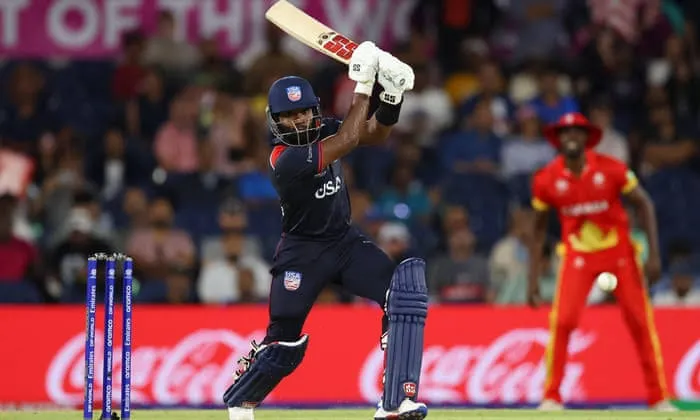
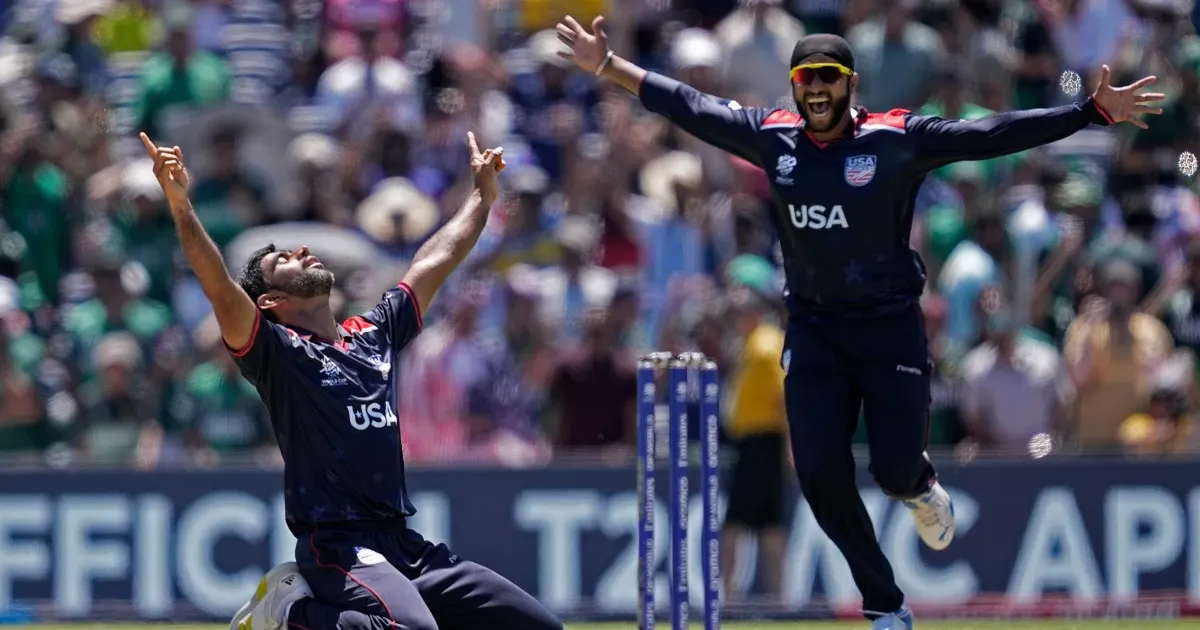
The United States also made progress on the international stage by qualifying for the 2024 Men’s T20 World Cup as a co-host alongside the West Indies. Its performance during that tournament brought additional attention to American cricket and demonstrated the potential of a developing national side.
The two countries subsequently participated in international competitions that tested their ability to compete over longer formats. The ICC Cricket World Cup League 2 program has been particularly relevant because it provides a structured route through which teams can accumulate results and pursue opportunities in the ODI World Cup qualification system.
The Canada national cricket team vs United States national cricket team rivalry therefore reflects more than a local sporting disagreement. It is part of a broader effort to establish North America as a meaningful contributor to international cricket.
Impact of Domestic Leagues and Grassroots Initiatives
Domestic cricket provides the foundation for international success. Players need regular matches, quality coaching, fitness support, and opportunities to develop tactical awareness before they can perform consistently against experienced international opponents.
Canadian provincial competitions and club leagues help players gain experience in different conditions. These competitions also allow selectors to identify promising batters, bowlers, and all-rounders who may progress to national representation.
In the United States, established regional competitions and Major League Cricket have expanded the range of playing opportunities available to certain athletes. The professional league attracts attention, but its long-term influence will depend partly on how effectively investment reaches younger players and local cricket communities.
Grassroots programs are equally important on both sides of the border. Junior tournaments, school partnerships, coaching clinics, and accessible facilities can help introduce the sport to children who might otherwise have limited exposure to cricket.
A stronger domestic structure would improve the quality of future meetings and increase the long-term appeal of usa vs canada cricket among supporters.
Team Profiles and Current Status
Evaluating both national teams requires an understanding of their playing resources, international experience, leadership, and recent results. Rankings offer one useful reference point, although they cannot fully explain the outcome of an individual match.
Overview of the Canada National Cricket Team: Structure and Leadership
Canada’s men’s national team operates under Cricket Canada and represents the country in recognized international competitions. Its selection process draws on domestic performances, player availability, fitness, and the tactical requirements of upcoming fixtures.
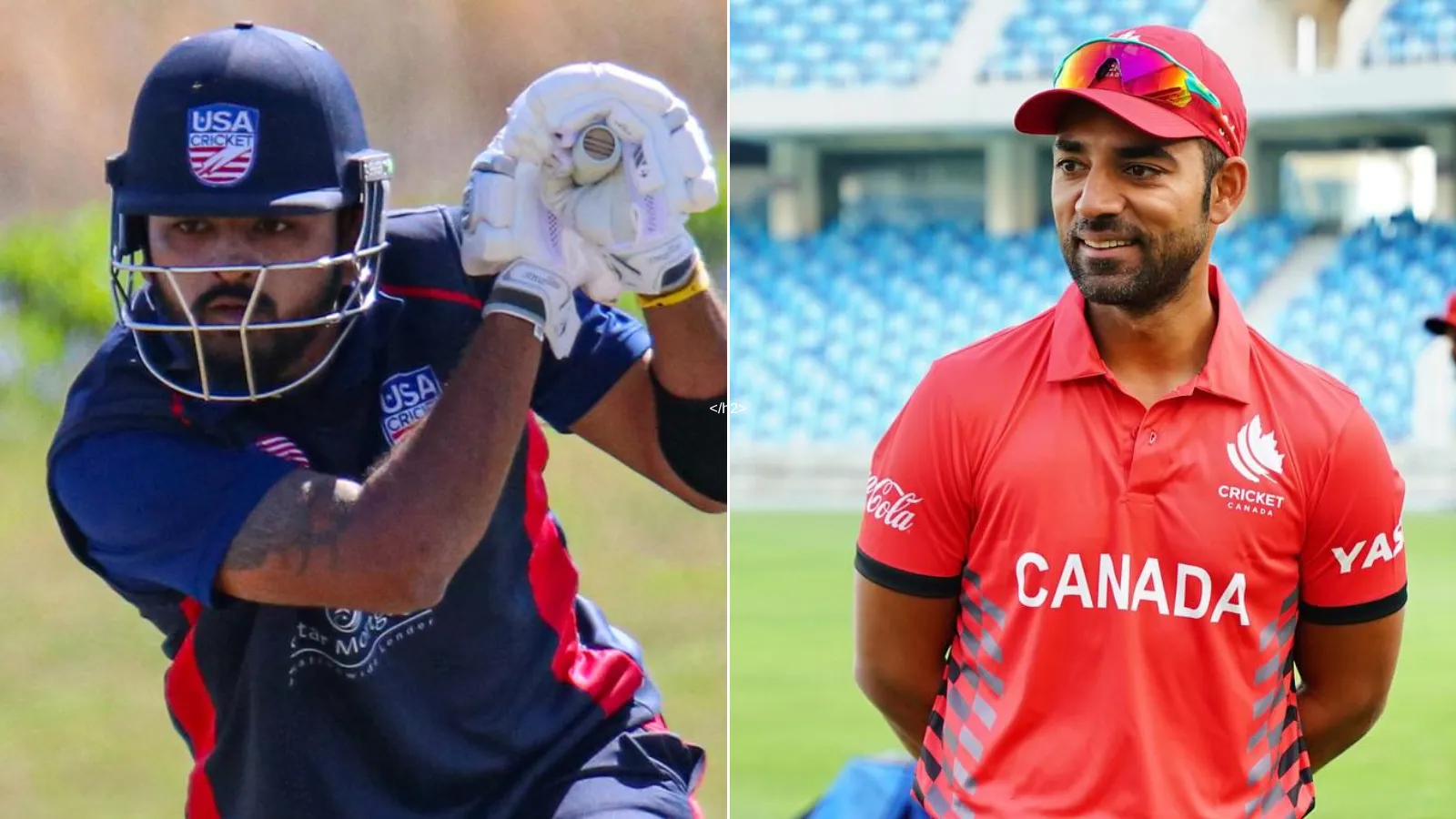
The squad has included experienced international performers such as Nicholas Kirton, Navneet Dhaliwal, Harsh Thaker, and Saad Bin Zafar. Their respective batting, bowling, and all-round contributions have helped shape Canada’s approach across different formats.
A competitive Canadian side needs to combine established players with younger cricketers who can handle the pressure of international competition. Experienced batters can stabilize an innings, while all-rounders provide balance and allow the captain to adjust the bowling attack.
Canada national cricket team vs United States national cricket team Leadership is especially important when a team faces a difficult period. Captains must decide when to attack, when to protect wickets, how to distribute overs, and which matchups offer the greatest tactical advantage.
Support staff also contribute through opposition analysis, fielding preparation, workload management, and match planning. The ability to turn these preparations into consistent performances remains central to Canada’s international ambitions.
Overview of the United States National Cricket Team: Structure and Leadership
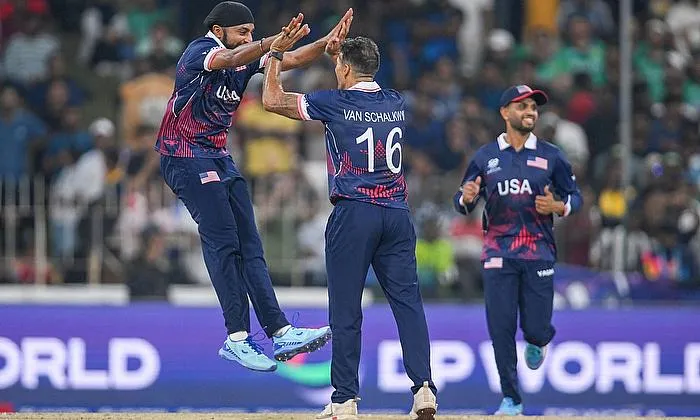
The United States men’s national team is administered by USA Cricket and competes in ICC-recognized international events. Its player pool reflects the country’s diverse cricketing communities and includes athletes with experience in several domestic and international environments.
Canada national cricket team vs United States national cricket team Monank Patel has been an important figure in American cricket, particularly through his leadership and batting contributions. Other players associated with the national program have brought different combinations of pace bowling, spin, wicketkeeping, and middle-order batting.
The United States has also attracted experienced professionals who have played cricket in other countries. Such players can contribute technical knowledge and high-pressure experience, while younger domestic cricketers gain opportunities to learn from them.
The challenge is to build a team that functions as a consistent unit rather than relying on individual performances. Strong communication between the captain, coaching staff, batters, and bowlers helps the side respond to changing match conditions.
In the Canada vs USA contest, this balance can become particularly important because familiarity between neighboring teams often encourages detailed tactical preparation.
Recent Performance and Rankings in International Cricket
International rankings provide a snapshot of a team’s results across a defined period. They should be interpreted according to format because ODI and T20 International cricket place different demands on players.
According to the ICC men’s team profiles available in October 2026, the United States was ranked 15th in ODI cricket and 13th in T20 International cricket. Canada was ranked 20th in both formats. These positions illustrate the difference in their recorded international standing at that time. See the official ICC USA team profile and ICC Canada team profile.
Recent ODI results also provide context. In June 2026, the United States defeated Canada by eight wickets after Canada scored 231 for eight. The American team then won another meeting on June 12, chasing Canada’s 275 for eight to finish on 276 for five and secure a five-wicket victory. These results are recorded in published head-to-head match summaries.
Rankings and recent results should not be treated as guarantees of future outcomes. Pitch conditions, weather, team selection, injuries, and individual performances can change the balance of a contest.
For supporters examining the Canada national cricket team vs United States national cricket team matchup, the most useful approach is to consider rankings alongside recent scorecards, venue conditions, and player availability.
Key Players and Emerging Talents from Both Teams
Individual players can influence a match through technical skill, decision-making, and composure under pressure. However, a successful national team generally depends on several players contributing in complementary roles.
For Canada, Nicholas Kirton and Navneet Dhaliwal offer batting experience, while Harsh Thaker contributes as an all-round option. Saad Bin Zafar provides left-arm spin and additional batting depth, giving the team flexibility when selecting its combination.
The United States has benefited from Monank Patel’s batting and leadership experience. Depending on squad selection and format, its wider player group can also provide pace bowling, spin options, and aggressive middle-order batting.
Emerging players are particularly important because international cricket requires skills that domestic competition alone cannot always reproduce. Young batters must learn to manage pressure, rotate the strike, and attack suitable deliveries without exposing their teams to unnecessary collapses.
Bowlers need to understand variations, field settings, and how to defend totals against different batting styles. Fielders must also develop speed, anticipation, and reliable catching techniques.
The continuing development of these skills will shape the future of usa vs canada cricket and influence how competitive both sides become in global tournaments.
Head-to-Head Encounters and Competitive Analysis
Direct meetings provide an opportunity to compare the two teams under similar conditions. Their results can reveal differences in batting execution, bowling discipline, and tactical decision-making, although each match still has its own circumstances.
Historical Matchups and Series Results
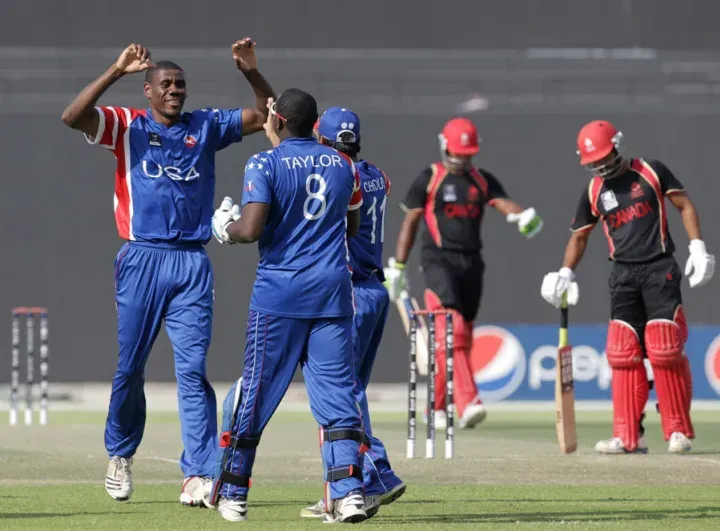
Canada and the United States have played one another in several international competitions, including ODI fixtures associated with ICC Cricket World Cup League 2.
The recent ODI meetings illustrate the United States’ ability to convert strong batting performances into victories. On May 17, 2025, the United States scored 361 for three after Canada had been dismissed for 192, winning by 169 runs. On May 25, 2025, the United States recorded another victory, this time by 88 runs after posting 286 for nine.
The June 2026 fixtures continued that pattern. Canada scored 231 for eight on June 6, but the United States reached the target with eight wickets remaining. Six days later, Canada improved its total to 275 for eight, yet the United States completed another successful chase.
These results are documented in the Canada–United States ODI head-to-head records Canada national cricket team vs United States national cricket team.
The scorecards indicate that Canada has been capable of producing substantial totals, but the United States has repeatedly found ways to complete successful chases or create decisive batting advantages.
Historical statistics should always be checked by format and date range. ODI records, T20 International results, and other competitions should not be combined without clearly explaining the categories being counted.
Statistical Comparison: Batting, Bowling, and Fielding Performances
A detailed comparison of batting, bowling, and fielding provides a clearer picture of how a match develops than the final result alone.
Batting statistics should include runs scored, batting averages, strike rates, boundaries, partnerships, and the number of wickets lost. In ODIs, teams need to maintain a balance between scoring quickly and preserving wickets for the closing overs.
Canada’s recent totals of 231 for eight and 275 for eight demonstrate its ability to build competitive innings. However, those totals also show why batting performance must be considered alongside the opposition’s scoring rate and the conditions of the match.
The United States’ successful chases suggest that its batters have been able to build partnerships and manage required run rates in those encounters. A successful chase depends on more than aggressive hitting; players must identify scoring opportunities, preserve wickets, and avoid unnecessary pressure late in the innings.
Bowling analysis should consider economy rates, wickets taken, dot balls, boundary frequency, and the effectiveness of different bowling styles. Fielding statistics, including catches, run-outs, and misfields, help explain how teams create or lose momentum.
A complete canada vs united states statistical review should also account for venue conditions, opposition quality, and the stage of the competition. Raw totals are useful, but context is necessary for meaningful comparisons.
Tactical Approaches and Playing Styles of Both Teams
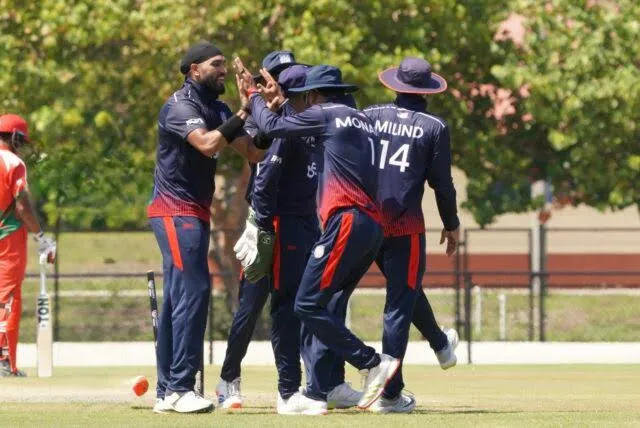
Tactical planning begins before the toss. Coaches study opposition batters, bowling patterns, venue characteristics, and the likely impact of weather before deciding how their teams should approach the game.
Canada can benefit from building a stable batting foundation before accelerating in the middle and final stages of an ODI innings. Its experienced batters need to judge when to attack, while the middle order must remain prepared to rebuild after early wickets.
With the ball, Canada needs disciplined line and length, effective use of its spin options, and clear plans for attacking established batters. Field placements should reflect the batter’s preferred scoring areas rather than follow a fixed pattern throughout the innings.
The United States can approach batting through partnerships and calculated acceleration. Its recent successful chases demonstrate the importance of maintaining control of the required run rate instead of allowing pressure to build during the middle overs.
American bowlers must also adapt to conditions rather than depend exclusively on pace or variation. Accurate bowling during the powerplay can create early opportunities, while disciplined execution at the end of an innings can prevent opponents from adding valuable runs.
In the Canada national cricket team vs United States national cricket team rivalry, tactical flexibility matters because both sides can use familiarity with their opponent to prepare specific bowling plans and batting matchups.
Memorable Matches and Turning Points in the Rivalry
Several recent meetings have offered clear examples of how one phase can determine the final result.
The United States’ 169-run victory in May 2025 demonstrated the effect of a large total. After Canada was dismissed for 192, the American innings of 361 for three created a substantial difference that was difficult to overcome.
The June 6, 2026 meeting provided a contrasting example. Canada made 231 for eight, but the United States reached 235 for two in 39.5 overs. The limited number of wickets lost helped the American side control the chase.
On June 12, 2026, Canada raised its total to 275 for eight, creating a more demanding target. The United States nevertheless scored 276 for five, winning by five wickets. This match illustrated how an improved batting performance from one team can still be matched by an effective chase from the other.
These matches are useful reference points for supporters following usa vs canada cricket because they demonstrate different routes to victory. Large first-innings totals, early wickets, partnerships, and disciplined chases can all influence the outcome.
Future encounters will provide new evidence about how each side responds to these challenges.
Challenges and Opportunities for Cricket in North America
The development of cricket across North America involves both practical obstacles and significant opportunities. Understanding these factors helps explain why international results are connected to broader investment in the sport.
Infrastructure and Funding Constraints
Cricket requires suitable playing surfaces, practice nets, equipment, qualified officials, and access to training facilities. In many communities, these resources compete with facilities allocated to more established sports.
The cost of maintaining cricket grounds can be substantial, particularly when pitches require specialized preparation. Limited access to suitable venues can reduce the number of matches available to local clubs and make it harder for young players to gain experience.
Funding also affects travel, coaching, medical support, and preparation for international tournaments. National teams may need to travel long distances to play competitive fixtures, creating expenses that can limit opportunities for some players.
Both countries can address these challenges through partnerships with local governments, educational institutions, sporting organizations, and private investors. Shared facilities and regional development centers could improve access without requiring every community to build a dedicated cricket ground.
More consistent investment would strengthen the talent pipeline behind the Canada vs USA rivalry.
Popularity and Media Coverage Challenges
Cricket competes for attention in North America with sports that already enjoy established professional leagues, broadcasting agreements, and extensive youth participation.
Many casual sports fans may understand the basic rules of cricket but have limited knowledge of overs, wickets, powerplays, or the differences between ODI and T20 formats. This can make international matches less accessible to new audiences.
Media organizations can help by providing clear explanations, accessible highlights, player profiles, and concise match summaries. Short-form video can introduce important moments, while longer analysis can help viewers understand tactical decisions.
Broadcasters and tournament organizers also need to make matches easy to watch. Convenient scheduling, reliable streaming, and consistent coverage can encourage audiences to follow teams throughout a tournament rather than watch only major events.
Growing attention to canada vs united states fixtures will depend partly on whether organizers can turn occasional interest into regular engagement.
Opportunities Presented by ICC Initiatives and Global Tournaments
Canada national cricket team vs United States national cricket team ICC competitions provide associate cricket nations with structured opportunities to develop and demonstrate their abilities. Qualification pathways can create meaningful objectives for national teams while exposing players to different opponents and playing conditions.
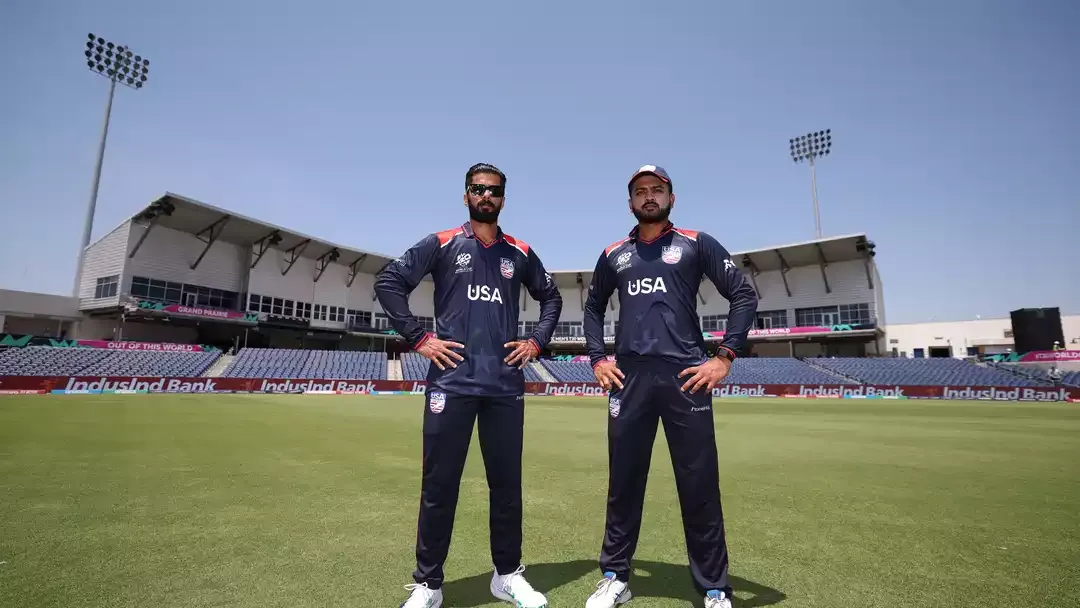
The 2024 Men’s T20 World Cup was particularly significant for North American cricket because the United States co-hosted the tournament with the West Indies, while Canada also qualified for the competition.
Hosting major events can generate attention for cricket infrastructure, local clubs, sponsors, and community programs. It can also encourage young people to consider playing the sport after watching international athletes compete.
World Cup qualification systems and regional tournaments provide further opportunities for development. However, sustained progress requires teams to perform consistently between major events, not simply benefit from temporary increases in public attention.
A stronger regional competition structure could give Canada and the United States more opportunities to test tactics, evaluate younger players, and improve preparation for international fixtures.
Role of Immigration and Cultural Diversity in Talent Pool Expansion
Immigration has been central to Canada national cricket team vs United States national cricket team development in both countries. People arriving from cricket-playing nations often bring experience, enthusiasm, and a strong understanding of the sport.
Their contributions extend beyond playing. Parents, coaches, volunteers, club organizers, and local business owners help maintain community competitions and introduce new generations to cricket.
Cultural diversity also creates opportunities for teams to draw on different cricketing traditions. Players may have experience with distinct batting techniques, bowling styles, and approaches to match preparation.
At the same time, successful development requires accessible pathways for people who are new to the sport. Schools and community organizations can introduce cricket to children regardless of their family’s sporting background.
The aim should be to create an inclusive environment where talent can progress through training and performance. A broader talent pool can benefit both teams and strengthen the long-term appeal of usa vs canada cricket.
Future Prospects and Strategic Directions
The next stage of development will depend on how effectively Canada and the United States convert growing interest into consistent participation, professional opportunities, and international results.
Development Pathways and Youth Programs
Youth development provides the foundation for a sustainable national team. Children need opportunities to learn basic techniques, play regular matches, and progress into more demanding competitions as their skills improve.
Schools can introduce cricket through simplified formats, while local clubs can offer structured coaching and age-appropriate tournaments. These programs help young players develop batting technique, bowling control, fielding awareness, and teamwork.
Regional academies could provide additional support to talented athletes. Video analysis, fitness training, nutrition guidance, and mental preparation can help players develop the skills required for elite competition.
National selectors also need transparent pathways that allow domestic performances to influence selection. Young players should understand how they can progress from community cricket to regional teams and eventually to international representation.
These pathways would create greater depth for the Canada national cricket team vs United States national cricket team contest and help both nations prepare for future ICC competitions.
Potential Impact of Professional Leagues Like Major League Cricket (USA)
Major League Cricket has introduced a professional T20 competition into the American sporting environment. The league brings together international players and selected American cricketers, creating opportunities for high-level competition and greater public exposure.
Professional matches can help local players learn from experienced teammates and opponents. They may also encourage investment in coaching, training facilities, sports science, and commercial partnerships.
However, a professional league cannot replace grassroots development. A small group of professional players is not enough to create a broad and sustainable national talent pool.
The wider impact will depend on whether professional cricket contributes to youth participation, domestic competitions, coaching education, and accessible playing facilities.
Canada can also benefit from stronger domestic structures and partnerships that allow its leading players to develop through regular, competitive cricket.
If these systems improve together, canada vs united states fixtures could feature deeper squads, more tactical variety, and a greater number of players capable of performing under international pressure.
Strategies for Enhancing Competitiveness on the World Stage
Both teams need clear development strategies that connect short-term match preparation with long-term performance objectives.
One priority is batting consistency. Teams must learn to recover from early wickets, rotate the strike, build partnerships, and accelerate at the appropriate stage of an innings.
Bowling development is equally important. Accurate powerplay bowling, effective middle-over variations, and reliable execution at the death can reduce opponents’ scoring opportunities. Players must also learn how to adapt these skills to different pitches and weather conditions.
Fielding improvements can produce valuable results without requiring a dramatic increase in batting or bowling resources. Better catching, quicker ground fielding, and accurate throws can create additional wickets and prevent unnecessary runs.
Analytical preparation can support these improvements. Teams can review previous scorecards, study opposition scoring patterns, and use performance data to identify areas requiring attention.
Finally, regular exposure to competitive international cricket is essential. Playing a variety of opponents helps teams identify weaknesses and develop the adaptability required for global tournaments.
The long-term objective for usa vs canada cricket should be sustained improvement rather than relying on isolated victories.
Building Sustainable Cricket Cultures in Both Countries
A sustainable cricket culture requires participation at several levels. National teams attract attention, but local clubs, school competitions, recreational leagues, and volunteer organizations keep the sport active between international tournaments.
Community facilities should be accessible to beginners as well as experienced players. Affordable coaching, equipment-sharing programs, and inclusive competitions can help remove barriers to participation.
Media coverage also plays an important role. Regular reporting on domestic competitions, emerging players, and international performances can help cricket become more familiar to audiences who currently follow other sports.
Sponsors may become more interested as attendance, digital engagement, and participation increase. Their investment can support facilities, coaching, youth programs, and tournament organization.
The United States and Canada can also cooperate on regional development by sharing coaching knowledge, arranging youth fixtures, and supporting competitive club cricket across the border.
Such cooperation would not diminish the rivalry. Instead, it could create a stronger environment in which both teams benefit from better preparation and more demanding competition.
Conclusion
The Canada national cricket team vs United States national cricket team rivalry reflects the changing position of cricket in North America. Both nations have historical connections with the game, diverse cricketing communities, and opportunities to expand participation through professional competitions and grassroots programs.
Recent international results show that the United States has recorded a series of victories in their ODI meetings, including successful chases in June 2026. Canada, meanwhile, has demonstrated its ability to build competitive totals and remains part of the region’s continuing international development.
The future of this contest will depend on batting consistency, bowling discipline, tactical preparation, youth development, and access to competitive facilities. Rankings and previous results provide useful context, but every new match offers an opportunity for teams to respond differently.
For supporters, usa vs canada cricket offers a combination of regional competition, developing talent, and meaningful international stakes. Continued investment in coaching, domestic cricket, professional opportunities, and community participation could strengthen both national programs.
Ultimately, the rivalry’s significance extends beyond the result of a single game. The continuing development of canada vs united states cricket can contribute to a stronger North American cricket community and create more opportunities for players and supporters to participate in the sport’s international future.