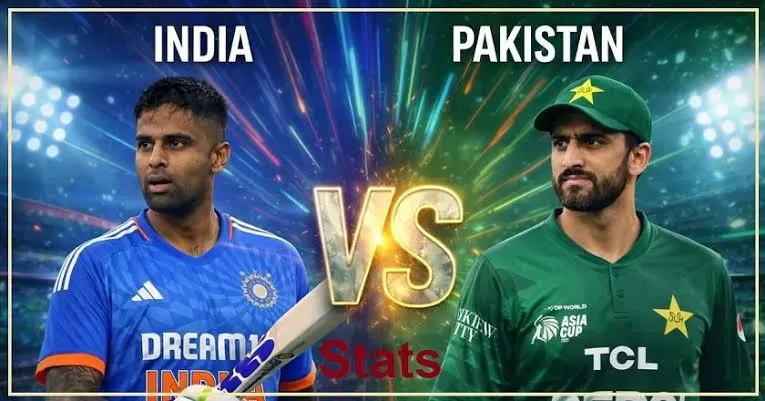

The india national cricket team vs pakistan national cricket team standings comparison represents one of the most closely followed topics in international cricket. India and Pakistan share a remarkable sporting history, producing memorable contests, exceptional individual performances, and dramatic finishes across Test matches, One Day Internationals (ODIs), and Twenty20 Internationals (T20Is).
For millions of supporters, an india-pakistan match is more than an ordinary sporting event. It brings together sporting pride, historical memories, intense anticipation, and the possibility of unforgettable moments. Every boundary, wicket, and partnership can influence the momentum of a contest, making these encounters especially compelling.
However, understanding the india national cricket team vs pakistan national cricket team standings requires more than comparing the results of a single match. International standings can refer to ICC team rankings, bilateral series records, tournament points tables, or head-to-head statistics. Each measurement offers a different perspective on the teams’ competitive positions.
India has developed a strong record across international formats, supported by an extensive domestic cricket structure and considerable player depth. Pakistan has built its own reputation through exceptional fast bowling, gifted batters, talented all-rounders, and a history of producing match-winning performances under pressure.
The rivalry continues to attract worldwide attention because neither team’s reputation guarantees victory. Conditions, team selection, player form, and tactical decisions can all influence the outcome.
This article examines the historical rivalry, comparative records, tournament performances, format-specific statistics, current ranking considerations, and future prospects of both teams. It also explains how supporters can use reliable scorecards and ranking tables to understand the significance of every major encounter.
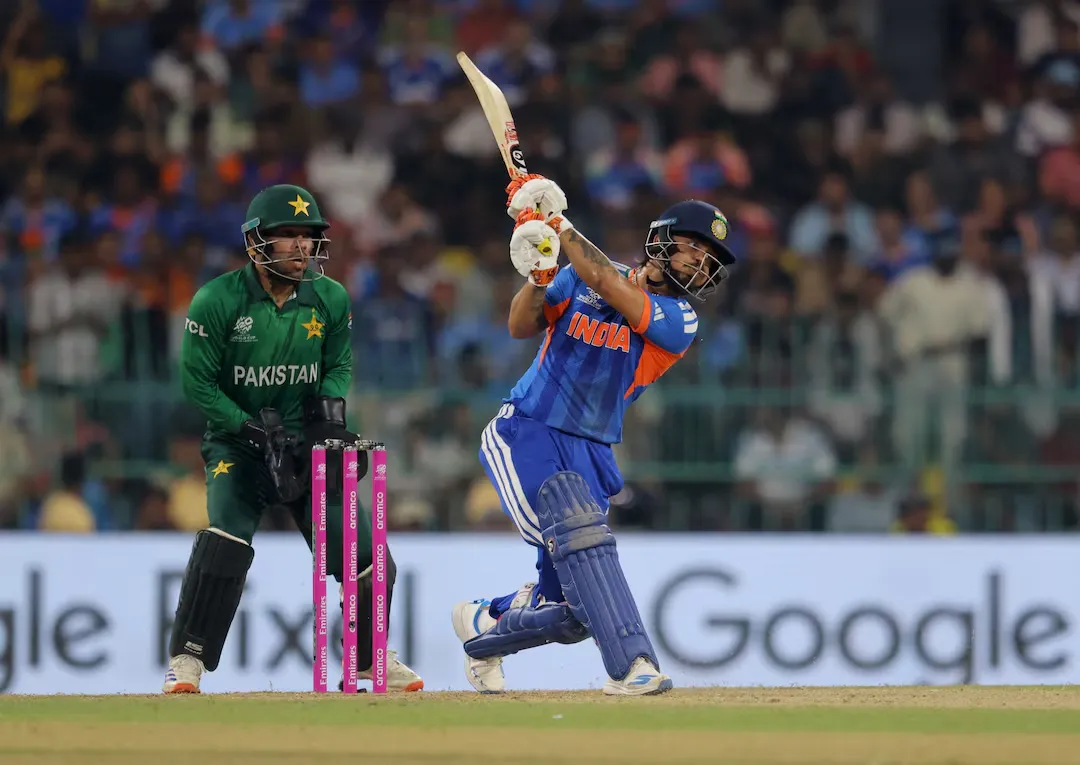
India National Cricket Team vs Pakistan National Cricket Team Standings
Contents
Historical Context and Rivalry Between India and Pakistan Cricket Teams
The history of India and Pakistan cricket provides essential context for understanding their modern competitive positions. Their rivalry developed alongside the countries’ shared cricketing heritage and became one of the sport’s most recognizable international contests.
Origins and Evolution of the Cricket Rivalry
India and Pakistan inherited a shared cricketing tradition from the period before the partition of British India in 1947. Following partition, the two countries developed separate national teams and established independent international cricket programs.
Pakistan entered Test cricket in 1952, beginning a sporting relationship that would eventually produce numerous historic encounters. Early matches demonstrated the strength of both cricketing cultures, with talented batters and bowlers establishing reputations that influenced subsequent generations.
The rivalry expanded as both countries developed their domestic competitions and international schedules. Test series became important opportunities to demonstrate technical ability, tactical discipline, and endurance over several days.
The introduction of ODI cricket created a different competitive environment. Limited overs increased the importance of scoring rates, fielding restrictions, bowling variations, and the ability to accelerate during the final stages of an innings.
T20 cricket later added another dimension. Its shorter format rewards aggressive batting, inventive shot selection, specialist bowling, and quick tactical adjustments.
The india national cricket team vs pakistan national cricket team standings comparison consequently varies according to the format being examined. A team’s success in Test cricket does not automatically translate into dominance in ODIs or T20Is.
Key Historical Matches Impacting Standings
Several encounters have helped shape the rivalry’s reputation and demonstrate how individual performances can influence the broader historical record.
India’s victory in the 1985 World Championship of Cricket final against Pakistan was an important achievement in the development of India’s limited-overs reputation. The tournament demonstrated the team’s ability to perform consistently against international opposition.
Pakistan’s triumph in the 1992 ODI World Cup established another major milestone. Although the final was against England rather than India, the title strengthened Pakistan’s international standing and confirmed its capacity to succeed on cricket’s biggest stage.
The 2007 ICC World Twenty20 produced two memorable India-Pakistan contests. Their group-stage match was tied before India won a bowl-out, and India later defeated Pakistan in the final. That championship helped establish T20 internationals as a major part of the rivalry.
Another landmark arrived during the 2011 ODI World Cup semifinal in Mohali. India defeated Pakistan to advance to the final and eventually won the tournament. The match attracted enormous international attention and demonstrated the pressure associated with a major knockout encounter.
Pakistan responded with a commanding performance in the 2017 ICC Champions Trophy final, defeating India by a substantial margin. Fakhar Zaman’s century helped Pakistan secure its first Champions Trophy title.
These encounters illustrate why the india national cricket team vs pakistan national cricket team standings discussion cannot be reduced to one famous result. Both sides have produced defining victories in different competitions and eras.
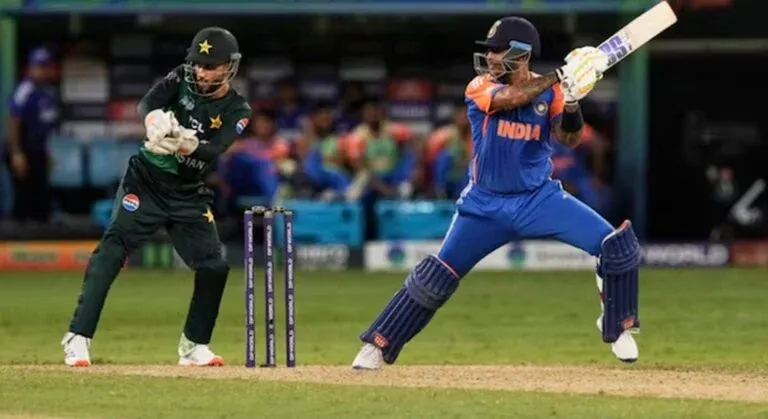
Political and Cultural Influence on the Rivalry
The India-Pakistan rivalry carries significance beyond cricket because sporting relations are influenced by the broader political relationship between the two countries.
Bilateral cricket has experienced interruptions, with international meetings often taking place at ICC tournaments or designated neutral venues instead of regular home-and-away series.
This limited schedule can increase anticipation. Supporters may wait years for certain encounters, while players face extraordinary attention from the media and fans.
The cultural significance of an india-pakistan match can also influence the atmosphere surrounding the event. Families, communities, and supporters around the world follow the contest closely, creating an audience that extends well beyond the host country.
Despite the intense competition, cricket also provides opportunities for shared sporting appreciation. Supporters recognize outstanding performances from both teams, and exceptional players can earn admiration across national boundaries.
The rivalry’s broader context makes accurate reporting particularly important. Historical records, tournament results, and team rankings should be presented objectively rather than interpreted through national stereotypes.
For anyone researching india vs pak, the most useful perspective combines sporting history with verified statistics. That approach preserves the rivalry’s importance without confusing emotional significance with measurable performance.
Comparative Analysis of Team Standings in International Cricket
A meaningful comparison requires a clear understanding of how cricket standings are calculated and interpreted. India’s and Pakistan’s positions can differ between formats, while tournament tables and head-to-head records answer separate questions about performance.
Overall Win-Loss Records in Bilateral Series
Bilateral series provide a direct way to compare the teams when they play a sequence of matches against each other. The number of wins, losses, and draws or ties can reveal which side has performed better within a specific format and period.
In Test cricket, series outcomes often depend on batting endurance, bowling depth, and the ability to maintain pressure across several days. Draws can play an important role, particularly when weather interruptions or defensive batting prevent a decisive result.
ODI series reward consistency across a defined number of limited-overs matches. Teams must manage batting resources, control the middle overs, and execute their plans effectively at the end of an innings.
T20I series create a different challenge because individual overs can dramatically change the outcome. A short burst of aggressive batting or a successful spell of bowling can outweigh much of the preceding performance.
The india national cricket team vs pakistan national cricket team standings comparison should therefore specify the format and period being measured. Combining every international match into a single total may hide meaningful differences between Test, ODI, and T20I performance.
Bilateral records also need historical context. The teams have not played regular bilateral series for many years, so their head-to-head records are influenced heavily by encounters at international tournaments.
Performance in ICC Tournaments (World Cup, T20 World Cup, Champions Trophy)
ICC tournaments provide some of the most significant stages for India and Pakistan to compete. These competitions bring together leading international teams and place considerable pressure on every result.
In the men’s ODI World Cup, India has historically held a strong advantage over Pakistan in their head-to-head encounters. India won their first seven meetings in the competition before extending that record with subsequent victories, including the 2023 match in Ahmedabad.
Pakistan’s achievements in other competitions demonstrate why each tournament should be considered separately. The team won the 1992 ODI World Cup and the 2017 Champions Trophy, while also winning the 2009 ICC World Twenty20.
India has enjoyed considerable success as well. Its major men’s international limited-overs titles include the 1983 and 2011 ODI World Cups, the inaugural 2007 T20 World Cup, and the 2013 Champions Trophy.
India also won the 2024 ICC Men’s T20 World Cup, defeating South Africa in the final. Pakistan, meanwhile, reached the final of the 2022 T20 World Cup but lost to England.
These achievements show that tournament history is broader than direct encounters between the two countries. A team can have a stronger head-to-head record in one competition while both nations have substantial championship achievements overall.
For readers examining the india national cricket team vs pakistan national cricket team standings, tournament results should be separated from bilateral series records and current ICC ratings.
A tournament table measures progress within a particular event. Qualification, points, net run rate, and knockout results determine advancement according to the competition’s rules, rather than the teams’ historical reputations.
Recent Rankings by ICC for Both Teams
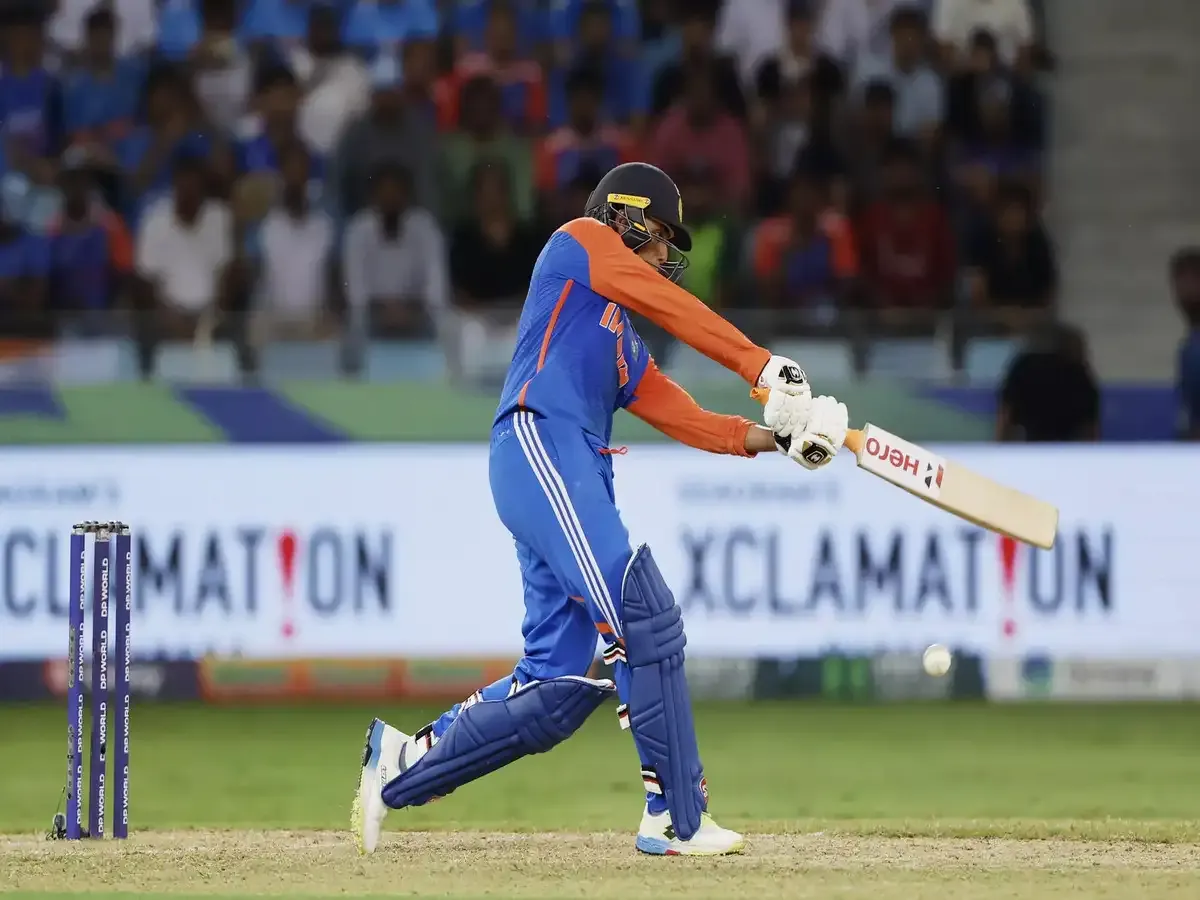
ICC team rankings provide a standardized framework for comparing international sides across Test cricket, ODIs, and T20Is. The rankings are format-specific and change as matches are played and older results lose influence under the applicable rating methodology.
India has been a leading contender across multiple formats, benefiting from a deep player pool, strong domestic competitions, and experience in major international tournaments.
Pakistan has also maintained a competitive presence in international cricket, particularly in limited-overs formats. Its fast-bowling resources and ability to produce exceptional individual performances make it a challenging opponent.
However, neither team’s current numerical ranking should be assumed without checking an official, date-specific ICC table. Positions can change after a series or tournament, and a team’s ranking in one format may differ significantly from its position in another.
The india national cricket team vs pakistan national cricket team standings comparison is most accurate when the ranking date and format are clearly identified.
It is also important to distinguish a team’s ranking from its recent winning percentage. ICC ratings account for a broader set of results and should not be interpreted as a simple count of victories.
Supporters researching ind vs pak can obtain a clearer picture by checking the latest ICC rankings alongside recent scorecards, tournament tables, and the teams’ results against other highly ranked opponents.
This approach avoids outdated comparisons and offers a more balanced understanding of their current international strength.
Statistical Breakdown of Head-to-Head Encounters
Head-to-head statistics provide a more detailed view of how India and Pakistan have performed against one another. Separating the results by format helps readers understand the strengths of each team and the tactical differences that shape their encounters.
The india national cricket team vs pakistan national cricket team standings comparison becomes more meaningful when historical wins, losses, draws, and tournament results are examined together.
Test Matches: Wins, Losses, and Draws
Test cricket has played an important role in establishing the rivalry’s early history. The five-day format demands patience, technical discipline, and the ability to sustain pressure through multiple batting and bowling sessions.
India and Pakistan played numerous Test series during the decades when regular bilateral cricket was possible. These matches produced outstanding batting performances, memorable bowling spells, and tightly contested series.
Pakistan developed a reputation for producing gifted fast bowlers and technically accomplished batters. India, meanwhile, built considerable strength through its batting depth, spin bowling, and increasing success in different playing conditions.
The teams have not played a bilateral Test series since 2007. Consequently, their historical Test record reflects an earlier period of regular competition rather than their current relative strength.
Draws are particularly important when interpreting Test statistics. A drawn match may reflect resilient batting, weather interruptions, or a pitch that offers limited assistance to bowlers. It does not necessarily indicate that both teams performed equally well in every session.
For an accurate comparison, historical totals should be checked against a reliable cricket database and separated into matches played, wins, losses, and draws. Neutral-venue fixtures and abandoned matches should also be classified consistently.
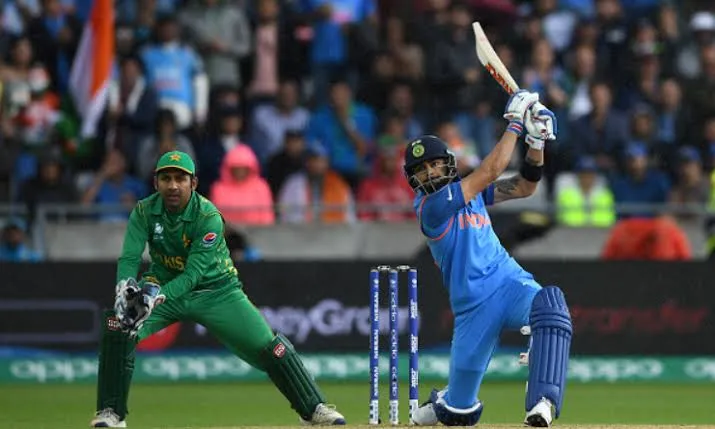
The india national cricket team vs pakistan national cricket team standings comparison in Test cricket is therefore best understood as a historical record. Since the teams no longer regularly compete in this format, recent head-to-head results cannot provide a complete picture of their present capabilities.
India National Cricket Team vs Pakistan National Cricket Team Standings
One Day Internationals (ODIs): Match Outcomes and Key Performers
ODI cricket has produced some of the most memorable chapters in the rivalry. Its combination of extended batting opportunities and limited overs creates a balance between tactical planning and aggressive scoring.
India has established a strong record against Pakistan in ODI World Cup encounters. The teams’ matches have featured important performances from batters, pace bowlers, and spinners who have handled the pressure of major international tournaments.
The 2003 ODI World Cup encounter in Centurion remains memorable for India’s successful chase. Sachin Tendulkar’s attacking innings helped India pursue Pakistan’s total, illustrating how a major individual performance can transform the direction of a high-profile contest.
The 2011 World Cup semifinal was another defining match. India won the encounter in Mohali, advancing to the final before eventually claiming the championship.
Pakistan’s victory in the 2017 Champions Trophy final demonstrated that tournament outcomes can differ dramatically between competitions. Fakhar Zaman’s century and an effective bowling performance helped Pakistan defeat India convincingly.
These matches illustrate the importance of examining conditions and match situations rather than relying exclusively on historical win-loss totals.
For supporters searching india national cricket team vs pakistan national cricket team match scorecard information, ODI statistics can reveal how opening partnerships, middle-order contributions, and bowling performances influenced the result.
A detailed scorecard also shows whether a team lost wickets early, struggled to accelerate, or conceded too many runs during the final overs.
The india national cricket team vs pakistan national cricket team standings discussion should include these tactical details because they help explain why individual encounters produce different outcomes despite the teams’ established reputations.
Twenty20 Internationals (T20Is): Standings and Notable Games
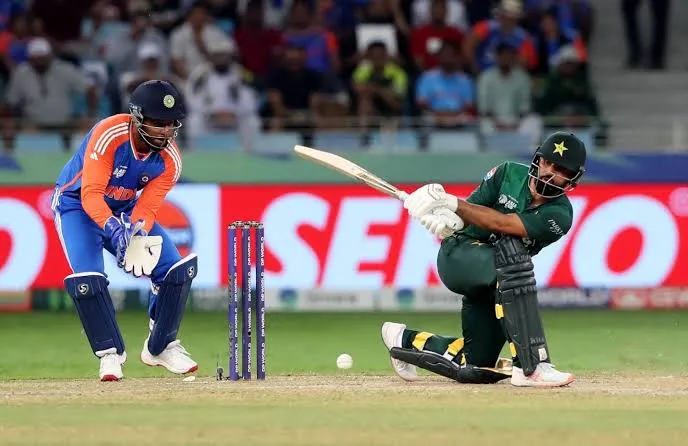
T20 cricket has added greater unpredictability to the rivalry. With only twenty overs per innings, teams have fewer opportunities to recover from poor decisions, and individual performances can quickly alter a match.
The 2007 T20 World Cup produced two historic encounters between India and Pakistan. Their opening meeting ended in a tie, with India winning the subsequent bowl-out. India later defeated Pakistan in the final to become the inaugural men’s T20 World Cup champion.
The 2022 T20 World Cup match at the Melbourne Cricket Ground became another classic. Pakistan posted a competitive total, but India recovered from a difficult position through Virat Kohli’s exceptional unbeaten innings. India completed the chase on the final ball in a dramatic finish.
These encounters demonstrate the importance of composure in T20 cricket. Batters must calculate risks carefully, while bowlers need variations that remain effective under intense scoring pressure.
T20 rankings can fluctuate more rapidly in practical terms because teams frequently experiment with aggressive batting orders, specialist finishers, and different bowling combinations.
For those following pakistan national cricket team vs india national cricket team match scorecard details, the most useful statistics include powerplay scores, boundary frequency, wickets lost, bowling economy, and performances during the final overs.
The india national cricket team vs pakistan national cricket team standings comparison in T20Is should also consider the quality of opposition and the conditions in which matches were played.
A close result on a difficult surface may reveal different strengths from a high-scoring contest on a batting-friendly pitch. Context is essential when evaluating a team’s progress.
Factors Influencing Current Standings and Future Prospects
India National Cricket Team vs Pakistan National Cricket Team Standings The international positions of India and Pakistan depend on a combination of player quality, tactical preparation, squad depth, and long-term development. Understanding these factors helps explain how their competitive positions may change in future seasons.
Team Composition and Player Form
Player India National Cricket Team vs Pakistan National Cricket Team Standings selection is one of the most important influences on international performance. A balanced squad needs dependable top-order batters, a flexible middle order, effective all-rounders, and bowlers capable of taking wickets under different conditions.
India’s large player pool provides selectors with numerous options. Domestic competitions and the Indian Premier League give players opportunities to compete under pressure and develop specialized skills for limited-overs cricket.
Pakistan has its own tradition of producing talented cricketers, particularly fast bowlers capable of generating pace, movement, and unexpected changes of delivery. Its batters and all-rounders have also produced outstanding performances across international formats.
Individual form can significantly influence the outcome of a major encounter. A batter who scores consistently may stabilize the innings, while a bowler who takes early wickets can force the opposition to abandon its original strategy.
Injuries and workload management also matter. International schedules can be demanding, and the absence of a leading player may affect team balance even when a replacement is talented.
The india national cricket team vs pakistan national cricket team standings comparison should therefore account for both established performers and emerging players.
Recent results, squad availability, and the quality of opposition are more informative than assumptions based solely on past achievements.
Impact of Coaching and Management Strategies
Coaching and management influence how effectively a team converts individual talent into consistent results. Preparation, tactical communication, fitness, and decision-making all contribute to performance.
India National Cricket Team vs Pakistan National Cricket Team Standings coaching structure operates within an extensive cricketing ecosystem that includes domestic tournaments, specialist support staff, and high-performance facilities. These resources help players prepare for the distinct demands of Test, ODI, and T20 cricket.
Pakistan’s coaching and management teams must similarly develop combinations that suit the players available. Effective planning can help the team maximize its bowling strengths while improving batting consistency and fielding standards.
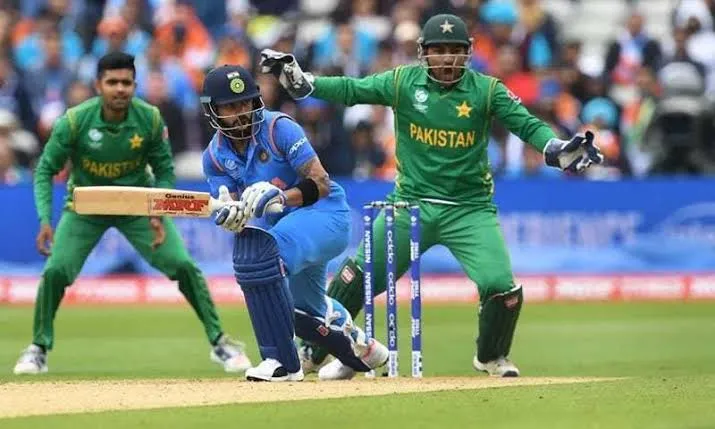
Leadership is particularly important during an india-pakistan match because the atmosphere can create unusual pressure. Captains must remain calm when early wickets fall, boundaries are conceded, or a target becomes difficult to chase.
Tactical flexibility can be decisive. A captain may need to introduce spin earlier than expected, change the bowling plan against a set batter, or adjust field placements to prevent easy singles.
Coaches also help players manage the mental demands of high-profile contests. Clear preparation and defined roles allow individuals to concentrate on execution rather than external expectations.
The india national cricket team vs pakistan national cricket team standings comparison ultimately reflects the combined effectiveness of players, coaches, selectors, and support staff.
A talented squad may underperform if its combinations are poorly balanced, while a well-prepared team can exceed expectations through disciplined execution.
Role of Domestic Leagues and Talent Development
Domestic cricket provides the foundation for sustained international success. It gives emerging players opportunities to develop their technique, build physical conditioning, and gain experience against varied opposition.
India benefits from a broad domestic structure that includes the Ranji Trophy, the Vijay Hazare Trophy, the Syed Mushtaq Ali Trophy, and the Indian Premier League. Each competition offers different developmental opportunities, ranging from long-format batting discipline to short-format tactical innovation.
Pakistan also has domestic structures and professional T20 opportunities that help identify and develop talent. The Pakistan Super League has provided a prominent platform for players to compete against experienced professionals and showcase their abilities.
Effective talent development requires more than discovering naturally gifted players. Young cricketers need consistent coaching, access to competitive matches, injury prevention, and opportunities to learn from experienced teammates.
Fast bowlers require careful workload management, while batters benefit from exposure to different bowling styles and playing conditions. Wicketkeepers and all-rounders also need specialist training to meet the demands of modern international cricket.
For both countries, strong development systems can reduce the effect of retirements and injuries by preparing replacements before they become necessary.
The india national cricket team vs pakistan national cricket team standings comparison over the next several years will partly depend on how successfully each nation develops its next generation.
India’s large talent pool offers considerable depth, while Pakistan’s tradition of producing exceptional individual talent gives it opportunities to build highly competitive squads.
Both teams must continue investing in coaching, fitness, domestic competitions, and adaptable playing strategies if they want to maintain their positions among international cricket’s leading sides.
Conclusion
The india national cricket team vs pakistan national cricket team standings comparison brings together historical achievements, format-specific records, international rankings, and the enduring importance of one of cricket’s most famous rivalries.
India has established a strong record in major international competitions, including multiple ODI World Cup titles and significant achievements in T20 cricket. Pakistan has also secured major championships, including the 1992 ODI World Cup, the 2009 T20 World Cup, and the 2017 Champions Trophy.
Their head-to-head results vary by format and competition. India has historically enjoyed a strong advantage over Pakistan in ODI World Cup encounters, while other tournaments have produced different outcomes. Test records reflect an earlier era of regular bilateral competition, and T20 matches have delivered several dramatic finishes.
Understanding these distinctions is essential when interpreting rankings and match statistics. ICC rankings measure international performance according to a specific rating system, tournament standings determine progress within an event, and head-to-head records summarize direct encounters.
Readers looking for india national cricket team vs pakistan national cricket team match scorecard details should examine batting contributions, bowling figures, partnerships, and match conditions to understand how a result developed.
Likewise, checking pakistan national cricket team vs india national cricket team match scorecard records can help supporters compare performances across different competitions and identify recurring tactical patterns.
The future of india vs pak cricket will depend on player development, coaching decisions, team balance, and the opportunities available for international competition. Both nations possess the talent and resources to produce memorable performances, although their current numerical rankings must be verified using the latest official ICC tables.
Ultimately, the india national cricket team vs pakistan national cricket team standings comparison is about more than deciding which side has the stronger historical record. It offers a way to understand how two accomplished cricketing nations have evolved, how their strategies differ, and why every major encounter continues to attract worldwide attention.
For anyone following ind vs pak, the best approach is to combine verified statistics with historical context and current team information. This creates a clearer picture of the rivalry while recognizing that every new match offers both teams another opportunity to shape its next chapter.