
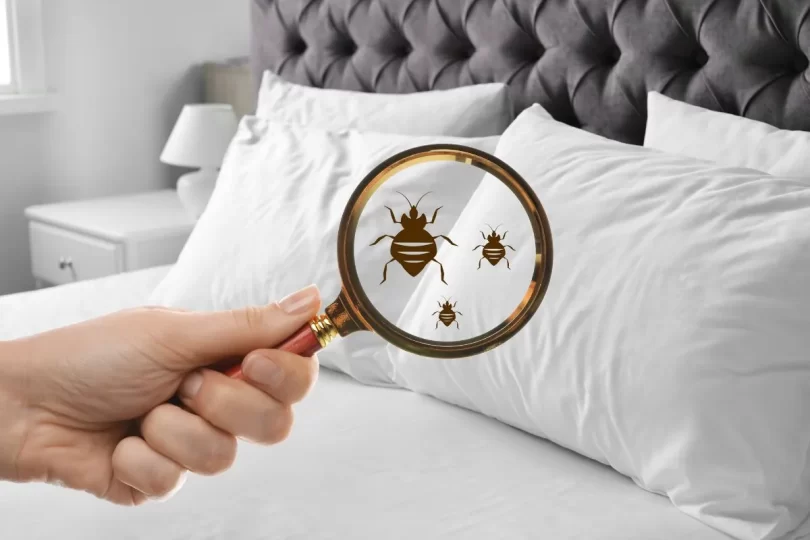

Few pests are as dreaded—and as stubborn—as bed bugs. Known for their stealthy nature and itchy bites, these tiny intruders often go unnoticed until they’ve fully settled into your home. While the name suggests they’re exclusive to beds, these bloodsuckers are far more resourceful. They’ll hide just about anywhere they can find warmth, darkness, and a steady source of food—namely, us.
If you’re dealing with mysterious bites or suspect an infestation, understanding where bed bugs tend to hide is the first step toward stopping them. Let’s uncover their favorite hiding spots, from the obvious to the downright surprising.
- Mattress Seams and Bed Frames
This is the classic hiding place, and the first area pest control experts check. Bed bugs love to burrow into the seams, tufts, and folds of mattresses where they can remain close to their food source—you. Bed frames, particularly those made of wood or with cracks and joints, also provide plenty of tiny crevices for bugs to disappear into. Regular inspections with a flashlight can help catch them early.
- Couch Cushions and Upholstered Furniture
Couches and chairs are often overlooked, but they’re ideal hiding places—especially if you spend a lot of time lounging on them. Bed bugs can easily creep into the seams and under cushions, laying eggs and forming colonies. If you’ve had guests recently or purchased secondhand furniture, your couch might be the first place they made themselves at home.
- Luggage and Travel Bags
Travel is one of the most common ways bed bugs spread. Hotels, trains, buses, and airports are all high-risk zones. Bed bugs hitch a ride by crawling into the seams of your suitcase or backpack. Once you’re home, they’ll quickly relocate to more permanent spots, like your bed or sofa. Unpacking in a garage or utility area and thoroughly vacuuming your luggage can help prevent bringing these pests inside.
- Behind Baseboards and Wall Hangings
Bed bugs can squeeze into cracks as thin as a credit card, so baseboards, trim, and even the space behind wallpaper are fair game. Picture frames and wall-mounted décor can also conceal small populations. If you notice dark specks (bed bug droppings) or shed skins near these areas, it might be time for a deeper investigation.
- Electrical Outlets and Appliances
Yes, even your electronics aren’t safe. Bed bugs can crawl into power outlets, behind switch plates, and even inside alarm clocks, computers, or TVs. Although it’s not their top choice, these spots offer warmth and seclusion—two things they truly appreciate. Pest control treatments in these cases often require a more strategic, thorough approach.
- Closets, Clothing, and Linens
While they don’t live in clothes like moths do, bed bugs can temporarily hide in folded garments, especially those kept in dark and undisturbed places. Closets, drawers, and laundry hampers become even more appealing if they’re near a sleeping area. Be sure to wash and dry clothes on high heat during any suspected infestation to help eliminate eggs and bugs.
- Carpets and Rugs
Though not a top choice, especially compared to mattresses, carpets can still harbor bed bugs—especially around the edges near walls or under furniture. Vacuuming regularly and checking underneath rugs can help catch early signs.
- Shared Spaces and Public Transport
Bed bugs aren’t just a problem at home. Libraries, cinemas, buses, and office break rooms all provide ample seating—and ample opportunity for bugs to latch onto bags or clothing. One reason they’re such persistent pests is because they’re incredibly good at traveling and adapting to new environments.
If you’re wondering whether you’re at risk, you might be asking yourself: are bed bugs common in UK? Unfortunately, the answer is yes. While once considered rare, bed bug infestations have experienced a resurgence in the UK, often due to increased travel and the development of resistance to traditional pesticides.
- Pet Beds and Crates
While bed bugs prefer human hosts, they won’t hesitate to take refuge in pet bedding, especially if it’s in a warm and dark corner. Pets can’t carry bed bugs in the same way that fleas or ticks do, but their sleeping areas are just as vulnerable to infestation.
- Books, Magazines, and Nightstands
That paperback on your nightstand might be more than a good read—it could be shelter for a few bed bugs. Tight paper bindings and crevices in wooden nightstands are rarely disturbed and can serve as temporary homes for small items.
What You Can Do
Once you know where to look, early detection becomes much easier. Here are a few tips for identifying and preventing infestations:
- Check regularly. Use a flashlight to inspect seams, folds, and crevices in your mattress, furniture, and luggage.
- Vacuum often. Especially around beds, baseboards, and upholstered furniture.
- Be cautious when traveling. Inspect hotel rooms, avoid placing bags on beds or couches, and launder clothes immediately after returning.
- Act quickly. At the first sign of bites or black specks, contact a professional pest control service.
Bed bugs are notoriously difficult to eradicate without expert help, but catching them early can make all the difference. By knowing where they hide, you can stay one step ahead—and keep your home a bite-free zone.