
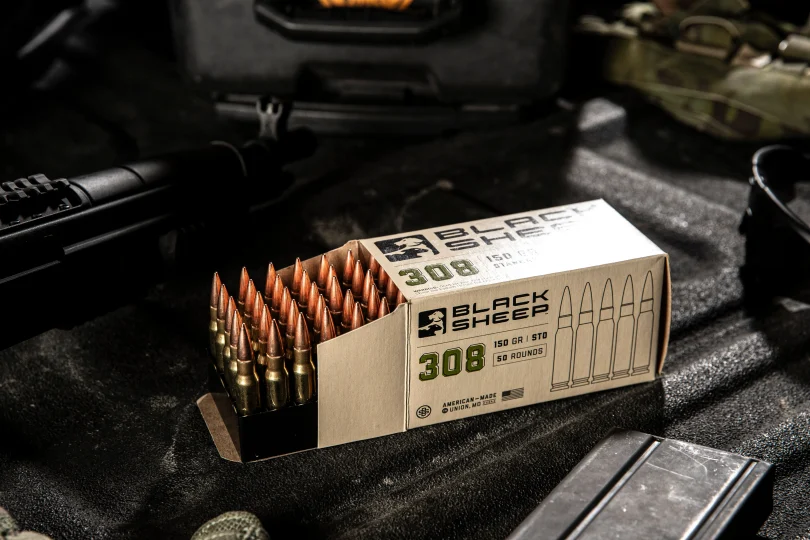

When it comes to improving your shooting skills, most people focus on firearm selection. While choosing quality firearms is important, one factor that often gets overlooked is ammunition. The type of ammo you use can have a big impact on how consistent your training feels from session to session.
If your goal is to build repeatable habits and steady performance, ammo selection matters more than you might think. Things like recoil, load type, and availability all play a role in how you practice. In this guide, we’ll break down how ammo affects your training and how to choose the right option to stay consistent over time.
Contents
- 1 Why Consistency Matters in Training
- 2 Understanding Ammo Basics
- 3 Recoil and Why It Matters
- 4 Load Type: Practice vs. Performance
- 5 Availability and Frequency of Practice
- 6 Matching Ammo to Your Firearm
- 7 Building a Repeatable Training Setup
- 8 Common Mistakes to Avoid
- 8.1 Constantly Switching Ammo Trying new ammo every session can make it hard to build consistency.
- 8.2 Only Using Premium Ammo Occasionally If you rarely train with the ammo you plan to rely on, it may feel unfamiliar when it matters.
- 8.3 Ignoring Recoil Differences Even small changes can affect your timing and control.
- 8.4 Not Practicing Enough Inconsistent practice leads to inconsistent results, no matter what ammo you use.
- 9 How to Choose the Right Ammo for Training
- 10 Final Thoughts
Why Consistency Matters in Training
Consistency is what helps you improve. When your setup feels the same each time you shoot, your body and mind learn faster. You build muscle memory, get more confident, and notice what’s working and what needs improvement.
If your ammo changes often, your shooting experience changes, too. That can make it harder to track progress.
Here’s why consistency is important:
- Builds reliable habits
- Improves accuracy over time
- Reduces frustration at the range
- Helps you measure real progress
The goal is simple: Make each range session feel as similar as possible.
Understanding Ammo Basics
Before diving deeper, let’s cover a few simple terms:
- Caliber: The size of the bullet (like 9mm or .223)
- Grain: The weight of the bullet
- Load Type: How the round is designed to perform (practice vs. defense)
- Recoil: The kick you feel when firing
When you browse different types of ammo, you’ll notice a wide range of options. Even within the same caliber, small differences can change how your firearm behaves.
Recoil and Why It Matters
One of the biggest factors in training consistency is recoil.
What Is Recoil?
Recoil is the backward force you feel when you fire a round. Some ammo produces a light push, while others feel much stronger.
How Recoil Affects Training
If your ammo has a different recoil each time you shoot, your body has to adjust constantly. This can lead to:
- Slower follow-up shots
- Inconsistent grip and stance
- Poor trigger control habits
For example, if you train with light recoil ammo but later switch to heavier loads, your shots may feel off. Your timing and control will need to adjust again.
Simple Tip
Stick with a similar recoil level during training. This helps your body learn one consistent shooting pattern.
Load Type: Practice vs. Performance
Not all ammo is made for the same purpose. Some rounds are designed for practice, while others are built for defense or hunting.
Practice Ammo
- Usually more affordable
- Designed for regular range use
- Often has moderate recoil
Defensive or Specialty Ammo
- Built for performance in specific situations
- May have different recoil or point of impact
- Typically more expensive
Why This Matters
If you only train with one type and switch to another later, your shooting may feel different. Even small changes in how the round behaves can affect your aim.
Simple Tip
Train mostly with one type of ammo. If you plan to use a different type for defense or hunting, test it occasionally so you understand how it feels.
Availability and Frequency of Practice
Consistency isn’t just about how ammo performs. It’s also about how often you can train.
If your ammo is hard to find or too expensive, you may not practice as much. That breaks your routine and slows your progress.
Why Availability Matters
- More available ammo leads to more practice
- More practice produces better results
Budget-Friendly Training
Many shooters choose affordable ammo so they can train more frequently. This is especially helpful for:
- First-time gun owners
- Budget-conscious shooters
- Anyone trying to build regular habits
Even if the ammo isn’t “premium,” the key is that it allows you to practice safely and consistently.
Matching Ammo to Your Firearm
Different firearms respond differently to ammo. A handgun may feel very different from an AR-15 rifle, even if both are easy to shoot.
If you’re exploring different guns for sale, it’s important to think about how ammo will pair with your choice.
Key Considerations
- Reliability: Does your firearm cycle the ammo smoothly?
- Comfort: Does the recoil feel manageable?
- Accuracy: Are your groups consistent?
If you notice frequent issues like jams or inconsistent shots, your ammo could be part of the problem.
Simple Tip
Once you find ammo that works well in your firearm, stick with it for training.
Building a Repeatable Training Setup
To improve over time, you want your setup to stay as consistent as possible.
Here’s a simple checklist:
- Use the Same Caliber
Switching calibers changes recoil and performance. - Stick to Similar Grain Weight
Small changes in bullet weight can affect how your shots feel. - Train with the Same Ammo Type
Avoid switching between very different loads too often. - Use the Same Firearm Setup
Keep your optic, grip, and accessories consistent. - Track Your Results
Pay attention to how your shots group over time.
This approach helps remove variables so you can focus on improving your skills.
Common Mistakes to Avoid
Many shooters unknowingly hurt their progress by changing too many things at once.
Constantly Switching Ammo
Trying new ammo every session can make it hard to build consistency.
Only Using Premium Ammo Occasionally
If you rarely train with the ammo you plan to rely on, it may feel unfamiliar when it matters.
Ignoring Recoil Differences
Even small changes can affect your timing and control.
Not Practicing Enough
Inconsistent practice leads to inconsistent results, no matter what ammo you use.
How to Choose the Right Ammo for Training
If you’re unsure where to start, keep it simple.
Look for Ammo That Is:
- Reliable: Works well in your firearm
- Affordable: Allows you to train often
- Consistent: Feels the same from round to round
- Comfortable: Recoil is manageable
You don’t need the most expensive option to improve. What matters most is that you can train regularly with the same setup.
A Simple Training Plan
Here’s an easy way to build consistency:
- Pick One Ammo Type
Choose something reliable and affordable. - Train Weekly or Biweekly
Regular practice builds stronger habits. - Focus on Basics
Work on grip, stance, and trigger control. - Track Progress
Notice how your accuracy improves over time. - Adjust Slowly
If you change ammo, do it one step at a time.
This keeps your training simple and effective.
Final Thoughts
Ammo selection plays a bigger role in training than many people realize. It affects recoil, performance, and how often you practice. All of these factors shape your consistency over time.
The key takeaway is simple: Pick ammo you can use regularly and stick with it. When your setup stays the same, your skills improve faster. You’ll feel more confident, more comfortable, and more in control every time you step onto the range.
Whether you’re new to shooting or have years of experience, focusing on consistency will help you get better results. Start with the basics, keep your setup simple, and build from there.