
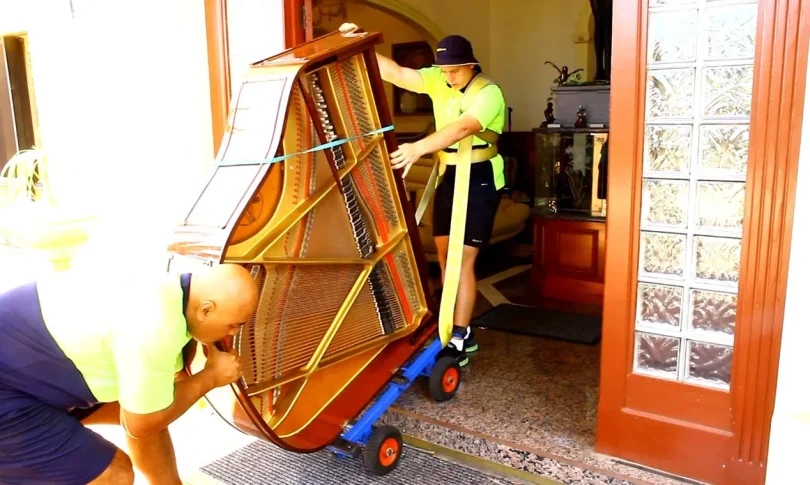

Moving to a new home often involves transporting furniture, appliances, boxes, and personal belongings, but few possessions require as much specialized attention as a piano. Many people searching for piano movers near me quickly discover that relocating a piano is a completely different process from moving other household items. What appears to be a large piece of furniture on the outside is actually a highly sophisticated musical instrument filled with delicate components. Its size, weight, and complexity create challenges that demand careful planning, proper equipment, and experienced professionals who understand how to protect both the instrument and the surrounding property.
Contents
- 1 More Than a Piece of Furniture
- 2 The Weight Is Often Surprising
- 3 Shape and Balance Create Additional Challenges
- 4 Protecting Delicate Internal Components
- 5 Navigating Difficult Spaces
- 6 Specialized Equipment Matters
- 7 Environmental Factors Affect the Instrument
- 8 Preserving Financial and Sentimental Value
- 9 Why Professional Expertise Makes the Difference
More Than a Piece of Furniture
At first glance, a piano can seem similar to a large cabinet or heavy entertainment center. Its polished exterior and substantial frame may lead some people to believe that it can be moved using the same approach applied to other bulky household items.
The reality is much different.
Inside every piano are thousands of individual components working together with remarkable precision. Strings, hammers, keys, pedals, bridges, dampers, and countless moving parts contribute to the instrument’s unique sound and performance.
Even a small shift in alignment can affect how the piano functions. Unlike ordinary furniture, a piano contains sensitive mechanisms that require protection throughout the moving process. This complexity is one of the primary reasons professional piano moving services exist.
The Weight Is Often Surprising
Many homeowners underestimate how much a piano actually weighs.
Depending on the type and size, pianos can weigh several hundred pounds or significantly more. Upright pianos are often heavier than expected because much of their weight is concentrated within a compact frame. Grand pianos can weigh even more while presenting additional handling challenges due to their unique shape.
This weight creates risks not only for the instrument but also for the people attempting to move it. Improper lifting techniques can lead to injuries, while insufficient support can result in damage to floors, walls, staircases, and doorways.
Professional piano movers understand how to manage these risks safely. Their experience allows them to distribute weight properly and navigate difficult situations with greater control.
Shape and Balance Create Additional Challenges
Weight alone does not explain why pianos are difficult to move.
Unlike many household items that have predictable shapes and balanced weight distribution, pianos often have unusual dimensions. Their centers of gravity can shift unexpectedly during movement, particularly when navigating stairs or tight spaces.
Grand pianos present especially unique challenges. Their long shape, delicate legs, and large curved bodies require careful disassembly and specialized handling procedures before transportation can even begin.
Upright pianos may appear simpler, yet their concentrated weight and narrow profiles can create balance issues during loading and unloading.
These characteristics require planning and coordination that extend far beyond basic moving techniques.
Protecting Delicate Internal Components
One of the most important considerations during a piano move is protecting the instrument’s internal mechanisms.
Every vibration, impact, and sudden movement has the potential to affect delicate components inside the piano. While the exterior may appear strong and durable, the interior contains parts that rely on precise positioning to function correctly.
Rough handling can lead to issues ranging from minor adjustments to more significant repairs. Even when external damage is not visible, internal components may be affected if the piano is not transported properly.
Professional movers understand how to minimize unnecessary movement during transportation. Specialized padding, secure strapping systems, and careful loading procedures all help protect the instrument throughout the journey.
One aspect of piano moving that often surprises homeowners is the challenge of maneuvering the instrument through residential spaces.
Doorways, hallways, staircases, elevators, and narrow corners all require careful evaluation before the move begins. In some situations, a piano may need to be tilted, rotated, partially disassembled, or repositioned multiple times to navigate the available space safely.
Every home presents unique obstacles. A staircase that seems manageable for everyday furniture may become significantly more challenging when transporting a heavy piano.
Professional piano movers assess these conditions in advance. Their planning helps reduce risks while ensuring the safest route is used throughout the move.
Specialized Equipment Matters
Moving a piano safely requires far more than a few extra sets of hands.
Professional movers rely on specialized equipment designed specifically for transporting heavy and delicate instruments. Heavy-duty dollies, piano boards, lifting straps, protective blankets, skid systems, and secure transportation hardware all play important roles.
Each tool serves a specific purpose in protecting both the piano and the property. Proper equipment helps stabilize the instrument, reduce strain on movers, and improve overall safety during transportation.
Attempting a move without these resources can significantly increase the likelihood of damage or injury. This is one reason professional services provide such valuable support.
Environmental Factors Affect the Instrument
Many people focus exclusively on the physical act of moving a piano, but environmental conditions also deserve attention.
Pianos are sensitive to changes in temperature and humidity. Sudden fluctuations can affect wood components, string tension, and overall performance.
Professional movers understand these considerations and take steps to minimize exposure to potentially harmful conditions during transportation.
After relocation, pianos often require time to acclimate to their new environment before tuning adjustments are performed. This attention to detail helps preserve both sound quality and long-term performance.
Understanding these factors demonstrates why piano moving involves much more than transportation alone.
Preserving Financial and Sentimental Value
For many owners, a piano represents far more than a musical instrument.
Some pianos carry significant financial value due to their craftsmanship, age, or rarity. Others hold deep sentimental importance because they have been passed down through generations or are associated with cherished memories.
The thought of damaging such an important possession can create understandable anxiety during a move.
Professional piano movers recognize the value these instruments represent. Their goal extends beyond simple transportation. They work to preserve the condition, functionality, and significance of the piano throughout the process.
This commitment often provides valuable peace of mind for owners who want their instrument handled with care.
Why Professional Expertise Makes the Difference
Successfully moving a piano requires a unique combination of planning, equipment, technical knowledge, and practical experience.
Every stage of the process presents challenges that must be addressed carefully. From evaluating access points and preparing the instrument to transportation and final placement, professional movers follow procedures developed specifically for piano relocation.
Their expertise helps reduce risks, protect valuable property, and ensure the instrument arrives safely at its destination.
While many household items can be moved using standard methods, pianos occupy a category of their own. Their weight, complexity, and value demand specialized attention that few other possessions require.
When protecting a cherished musical instrument is the goal, experienced piano movers provide the knowledge and resources necessary to make the relocation process smoother, safer, and far less stressful.