
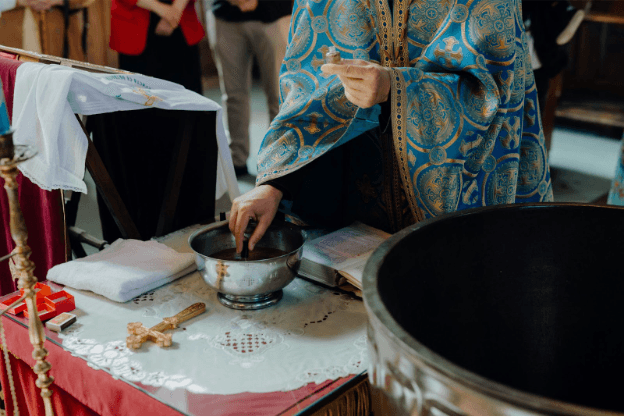

Culture, identity, and rituals form a tapestry that weaves individuals into communities and connects people across time. As noted by Shai Hamu, these elements are not static; they evolve, adapt, and reflect the values and emotions of those who practice them. Whether through daily habits, festive gatherings, or inherited traditions, people find meaning and belonging in shared practices.
Identity is shaped by what is passed down and by the choices made in response to a changing world. As people navigate multicultural spaces and shifting social landscapes, rituals remain a grounding force, expressing who we are, where we come from, and how we relate to others.
Contents
Understanding Rituals, Culture, and Identity
Rituals, culture, and identity are closely connected parts of daily life. Rituals are repeated actions or traditions that carry meaning, while culture includes shared beliefs, customs, and values passed through generations. Identity refers to how people see themselves and where they feel they belong.
These elements shape how individuals interact with others and understand their place in the world. A weekly family dinner, a neighborhood event, or a religious gathering can all reinforce cultural ties and personal belonging. These practices often carry emotional weight and serve as reminders of one’s roots and values.
The Everyday Role of Rituals
Rituals give rhythm to daily life, offering a sense of predictability and meaning. Morning routines, weekly catch-ups with loved ones, or celebrating seasonal holidays often mark the passage of time and lend emotional structure to our lives. These small moments can anchor people during change or uncertainty.
Beyond habit, rituals often carry symbolic meaning. Lighting candles during a festival, sharing a traditional dish, or observing a moment of silence during memorials can all express shared values and emotions. These actions connect people not only to the present but to the past and future, reinforcing continuity across generations.
Even the most ordinary rituals—like greeting a neighbor or saying grace before dinner—can strengthen bonds within families and communities. Repetition turns these actions into meaningful practices that help people feel grounded and connected.
Participating in shared rituals creates a sense of inclusion. When people come together for a celebration, a ceremony, or a communal activity, they often feel part of something larger than themselves. This connection affirms their place within a group, whether it’s a cultural community, a faith group, or a circle of friends.
Belonging isn’t just social—it has emotional depth. People who feel accepted within a group often experience higher self-esteem and stronger emotional well-being. Traditions provide reminders that their presence matters and that they are valued by others. These affirmations carry into other areas of life, influencing confidence and social engagement.
In multicultural communities, shared customs help bridge differences. Joining in a neighbor’s holiday celebration, learning someone’s traditional greeting, or participating in a local festival can foster understanding and build relationships across diverse backgrounds.
Culture’s Influence on Identity
Identity doesn’t form in isolation; it is shaped through cultural exposure and social interactions. From a young age, people absorb values through language, customs, and traditions passed down by their families and communities. A child raised in a bilingual household may develop a sense of self that embraces multiple cultural frameworks and adapts easily to new environments.
The media, education, and community experiences all play a part in reinforcing or challenging cultural norms. Whether through storytelling, dress, or food, individuals internalize what is expected and admired within their cultural group. These expectations influence how people view themselves and their roles in society.
Diversity in Cultural Expressions
Across the globe, cultures express identity in unique ways. A coming-of-age ceremony in one community might look completely different from a similar tradition elsewhere, yet both serve to mark important life transitions and define social belonging. The power of these rites lies not in their uniformity, but in the meaning they hold for those who participate.
People often belong to more than one cultural group, and their identity reflects this blending. Someone might celebrate Diwali with their family while also observing local holidays with friends. These layered identities allow individuals to move between cultural spaces with fluidity, drawing meaning from each. This often results in creative expressions that are both deeply personal and culturally rich.
Traditions in a Changing World
Traditions are not fixed; they shift over time as people adapt to new environments and influences. Migration, digital communication, and global exchange have all contributed to changes in how rituals are practiced and understood. A family that once gathered in person may now connect virtually during festivals or celebrations. Technology has become a new medium for preserving old customs and creating new ones.
Younger generations often blend traditional customs with modern values, creating hybrid forms of expression. A wedding might feature ancestral music alongside contemporary fashion, or a traditional meal might be shared over video chat. Even informal rituals, like a shared playlist among friends or a weekly video call with relatives, can foster a deep sense of continuity and identity.