
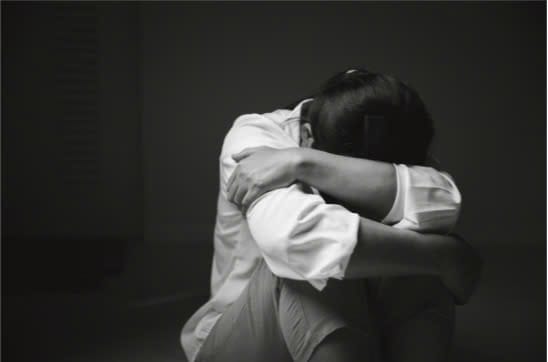

Childhood is a period in life that is supposed to be draped in an environment that promotes growth and learning, providing the child with a sense of safety they can always rely on. Unfortunately, that is not the case for everyone. Many face various problems such as abuse, neglect, loss, etc., which deeply affect their young minds, deterring their emotional and psychological development.
The impact of the trauma caused by such experience doesn’t just go away; it roots on to them, shaping their personal relationships, emotional well-being, career choices, and essentially their entire existence. In some cases, survivors seek justice by suing for childhood trauma, holding those responsible accountable for the lasting harm inflicted upon them.
This blog explores how childhood trauma impacts a person’s life and the importance of healing trauma.
Contents
How Childhood Trauma Affects an Individual’s Life
1. Emotional and Psychological Struggles
On young minds, the impact of trauma can be severe. Children’s minds are still developing, so there are chances that trauma at such an age develops into other conditions. Children who experience trauma often face challenges such as low self-esteem, anxiety, depression, etc.
Such conditions can make it difficult for children to be able to regulate their emotions, leading to problems related to mood swings. They might resort to unhealthy coping mechanisms such as isolation, self-harm, and even substance abuse.
2. Relationship and Trust Issues
Trauma in children usually comes from abuse, be it physical, emotional, or sexual. A child often face abuse from people they assume are those they can trust: family members, friends, teachers, etc. When such a person betrays their trust, the impact of the trauma may lead to attachment issues.
Children would find it difficult to form healthy attachments in the future due to the fear of being betrayed, manipulated, or abandoned. While some survivors become overly dependent on the people around them, others might push people away. They could even find it difficult to form meaningful romantic relationships.
3. Impact on Self-Identity and Decision-Making
Trauma often shapes a person; it could shatter the survivor’s individuality and change the way they view and treat themselves. Many survivors tend to doubt their capabilities in personal and professional matters. They could also find it difficult to set boundaries, such as a person who comes from a toxic household might develop people-pleasing tendencies.
Imposter syndrome and fear of failure are also issues survivors of trauma may face in their lives. Trauma can also make it difficult for survivors to make important decisions in their lives; fear, avoidance, impulsivity, etc., can all influence their decision-making.
4. Career and Professional Life Challenges
Trauma, if not addressed, can become a hindrance throughout the survivor’s life. Survivors can develop issues with social interactions, making it difficult for them to handle the workplace environment. They could also create a fear of authoritative figures or have difficulty taking criticism; such behaviors can also make employers apprehensive about them.
Childhood trauma can lead to workplace anxiety, fear of authority, or difficulty handling criticism. Some could turn out to be overachievers to compensate for their complex feelings, while others would actively avoid leadership roles due to fear of responsibility and want of validation.
Healing and Overcoming Trauma
In the case of childhood trauma, the impact can be lifelong, disrupting the very core of the mind, which is why therapy is essential. With the current generation, a person going to therapy is not met with the stigma that the older generations faced. This is a significant improvement that allows people of all ages to process their trauma.
Survivors can opt for various types of therapy and adopt healthy coping mechanisms, such as meditation, drawing, journaling, etc., to help deal with their trauma and triggers. Having a strong support system can also be beneficial, be it friends, family, or a support group, which can help survivors understand that they have people they can rely on. The key to healing from trauma is first to address it; even small steps serve as a significant force to break negative cycles.