
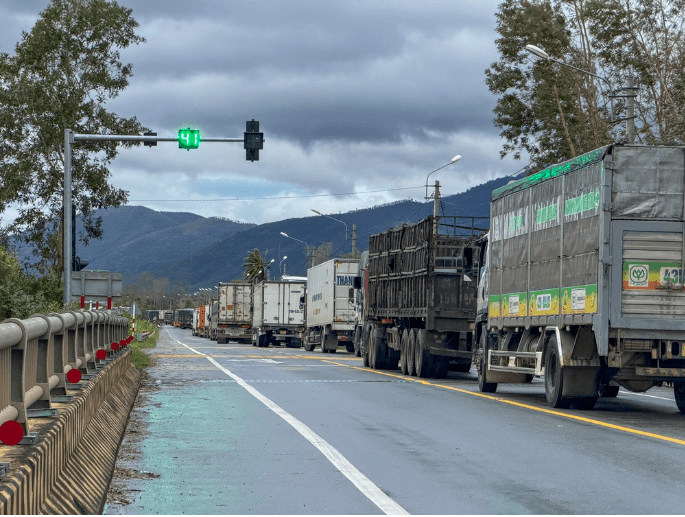

Truck movement across highways is not a random traffic flow. It is a system built on freight demand, weather pressure, road design, and long-distance driving patterns that stretch across entire regions. Some states carry more of this load than others, and that difference slowly shows up in accident data over time.
The conversation around states with the highest truck accident risk is not only about numbers on a chart. It connects directly to how goods move, how long drivers stay on the road, and how environmental conditions change driving safety in different parts of the country.
In busy transport corridors, even small mistakes can turn into major collisions. That is why understanding where risk is higher helps explain why truck-related incidents are not evenly spread across the map. This blog breaks down how those patterns form and what makes certain states more exposed to truck accidents than others.
Contents
Why Some States Face Higher Truck Accident Risk
Truck accidents do not increase randomly. They usually grow in places where several conditions overlap at the same time. States with heavy freight traffic, large interstate networks, and constant commercial movement naturally see more truck-related crashes.
One major factor is highway density. States with long interstate systems and major shipping routes carry a higher volume of commercial trucks every day. More trucks on the road increase the chance of interaction with passenger vehicles, which raises collision risk.
Weather conditions also play a major role. States that experience snow, fog, heavy rain, or sudden temperature shifts often create unstable driving environments. Large trucks need more time and distance to stop, so weather changes can quickly turn normal driving situations into dangerous ones.
Another important factor is industrial activity. States with strong manufacturing, agriculture, or import and export hubs depend heavily on trucking networks. This constant movement of freight increases exposure to road incidents, especially in high traffic zones.
Even road design matters. Some states have older highways, sharp curves, or busy urban intersections where large trucks and passenger vehicles share limited space. These conditions create higher chances of impact during lane changes or sudden braking.
When all these elements come together, certain regions naturally rise in risk levels compared to others.
Key Factors That Influence Truck Accident Concentration
Heavy Freight Corridors And Interstate Traffic Flow
Some states sit directly on major national freight routes. These corridors carry thousands of trucks daily, increasing congestion and interaction between vehicles. Long-haul travel through these states also means driver fatigue becomes a concern over extended distances.
Weather Conditions And Seasonal Driving Challenges
Snow-covered roads, ice patches, and low visibility conditions significantly increase truck accident probability. In colder states, winter months often show higher crash patterns due to reduced traction and slower reaction times.
Urban Congestion And Highway Bottlenecks
States with large cities often face mixed traffic conditions where commercial trucks share space with dense passenger vehicle flow. Sudden stops, lane merging, and tight exits create higher risk zones in urban highways.
Industrial And Shipping Demand
States with ports, warehouses, and large distribution centers see continuous truck movement. The higher the freight demand, the more trucks are on the road at any given time, increasing exposure to accidents.
Driver Fatigue On Long Distance Routes
In long-stretch states, drivers may spend many hours on highways with limited rest stops. Fatigue affects reaction time, attention, and decision making, all of which play a role in crash probability.
Infrastructure Age And Road Design Limitations
Older highways or poorly designed interchanges can create confusion for large vehicles. Tight turns, short merging lanes, and uneven road surfaces increase difficulty in handling heavy trucks safely.
Understanding How Risk Data Is Interpreted
Accident data is not only collected from crash reports. It is also studied through traffic volume, freight movement patterns, and seasonal changes. This helps identify which regions consistently show higher truck related incidents over time.
In many cases, states with the highest truck accident risk are identified not just by crash counts, but by comparing accident frequency with total truck mileage. This gives a clearer picture of exposure rather than raw numbers alone.
Patterns also change over time. A state may show higher risk during winter months and lower risk during summer, depending on weather and traffic flow shifts. This seasonal variation helps explain why truck safety is not a fixed measure but a changing one.
Insurance and transportation studies often use this data to improve safety planning. Route selection, delivery scheduling, and driver rest planning are adjusted based on these risk insights.
Why This Information Matters Beyond Statistics
Truck accident risk data is not only for analysis charts. It reflects how real-world driving conditions affect safety on highways every day. It also helps identify where extra caution is needed for both commercial drivers and regular road users.
Understanding risk concentration helps improve awareness of how freight systems operate across the country. It also highlights how multiple factors combine to influence safety outcomes, instead of a single cause.
For policymakers and transport planners, this type of data supports infrastructure improvements and safety regulations. For drivers, it simply reinforces how different road environments can change driving conditions without warning.
Conclusion
Truck accident risk is shaped by geography, weather, traffic density, and freight demand, working together in the same space. This is why certain regions consistently appear in discussions around states with the highest truck accident risk, while others remain comparatively lower.
In areas with heavy transport activity, safety depends on how well these conditions are managed across highways and city routes. When freight systems expand, risk patterns naturally evolve with them.
This is why understanding state level risk is not just about location, but about how movement, infrastructure, and environment interact on the road every day.