
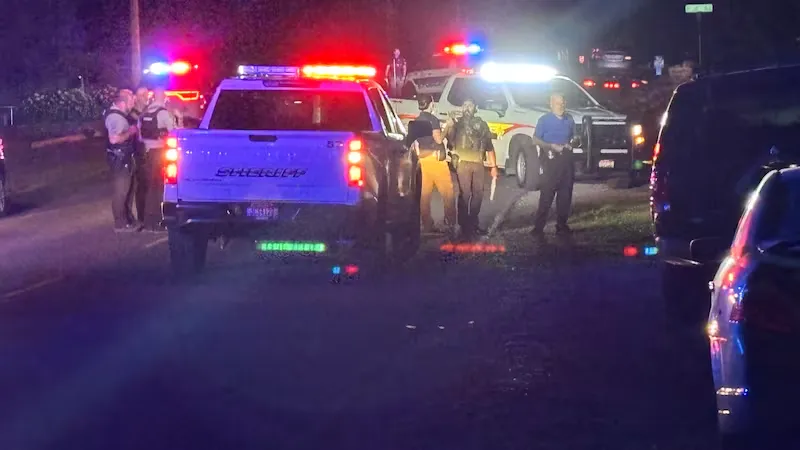

Seattle DUI arrests can feel overwhelming because license deadlines, court dates, and police evidence start moving before you may know what the state is using against you. The first days may bring a citation, temporary license notice, tow or impound receipts, and mail from the Department of Licensing. Police reports, body-worn video, and breath or blood records can quickly become central to the defense.
Do not explain the arrest to police, prosecutors, insurers, employers, or licensing staff until counsel has reviewed the file. A DUI lawyer can track court dates, DOL deadlines, evidence requests, testing records, release conditions, and driving restrictions while comparing each decision against license risk, court exposure, and the facts shown in the available record.
Contents
Act Before Court
Court paperwork and licensing notices can arrive on different timelines after a DUI arrest, so every document should be saved immediately. Keep the citation, release paperwork, temporary license notice, tow receipt, court notice, and Department of Licensing mail in one folder. Record the date each item arrived, the response deadline, the court location, and any conditions listed on the paperwork.
Write down arrest details while they are still fresh, including the stop location, stated reason for the stop, test requests, arrest time, release terms, and witness names. Avoid discussing the arrest with police, prosecutors, insurers, employers, or licensing staff before a DUI lawyer has reviewed the file. Early organization helps protect court options, license deadlines, and defense issues tied to the stop, testing, and statements.
Separate Allegation From Proof
Traffic stops in Seattle must be tied to a specific, lawful reason, and that first decision can set limits on what follows. Look closely at what the officer claimed prompted the stop, such as speeding, lane movement, equipment failure, or a crash investigation. If the report uses broad language like “erratic driving,” check for a clear description of what was observed, where it happened, and how it was measured or confirmed.
Police reports can read cleanly even when video shows something different, so compare the narrative to body-worn and in-car footage. Pay attention to differences in speech, balance, driving behavior, odor claims, and the exact instructions given during field sobriety tests, including lighting, surface, footwear, traffic, and weather. Defense planning improves when each statement is treated as a claim that needs records, video, or reliable testimony behind it.
Test the Evidence
Breath test results come from a machine and a procedure, and both parts leave records you can request. Ask for the device maintenance history, calibration logs, the operator’s certification, the printed test tickets, and the exact timing tied to the 15-minute observation period and each breath sample. Those documents can show missed steps, mismatched timestamps, or a device that was not properly checked, which can affect how a number gets treated in court.
Physical and medical factors can influence how tests look on paper and how an officer describes impairment. Reflux, diabetes, anxiety, fatigue, injury, dental work, and prescribed medication can affect breath readings, balance, or speech, and the report does not always capture those conditions accurately. Blood evidence needs its own audit for collection time, storage conditions, lab handling notes, reporting dates, and any chain-of-custody gaps shown by missing signatures or unexplained transfers.
Protect Driving Privileges
Department of Licensing letters can arrive on a different timeline than the court schedule, and they often carry their own deadlines. Save every DOL notice, temporary license document, ignition interlock letter, proof of insurance request, and hearing-related form as soon as it shows up in the mail or gets handed to you. Record the date you received each item and the response date listed on the page, since late requests can close off hearing and license options.
Daily driving needs matter when a lawyer is deciding what relief to pursue and what restrictions are workable. Write a practical driving list that covers work shifts, school drop-offs, medical appointments, caregiving duties, and the usual commute routes, including start times and distances. Keep that list updated as schedules change because court outcomes and DOL actions do not always match, and the next step can depend on which track is moving faster.
Build Negotiation Leverage
Negotiation strength depends on the records that can be verified, challenged, or supplemented before key court dates. Bring police reports, video or records request notices, breath or blood test materials, prior driving history, treatment documents, insurance information, and every court paper received. Clear copies with visible dates, case numbers, and agency names help identify missing items, inconsistent times, and deadlines that may affect charges or offers.
Ask counsel to separate confirmed facts from evidence that may support dismissal, reduction, suppression motions, trial preparation, or a negotiated result. Venue also matters because scheduling and case-handling patterns can differ between Seattle Municipal Court, King County District Court, and nearby courts. Confirm the court early so deadlines, hearing expectations, and negotiation strategy match the actual venue.
One DUI arrest in Seattle should be handled as a series of decisions, not a final outcome. Do not respond, agree, or explain anything until the deadline is confirmed, the supporting record is reviewed, and the next step is tied to the facts. Treat each DOL notice, court date, report claim, test result, and release condition as an item that needs proof, timing, and follow-up. Fast legal guidance can help protect license options, reduce avoidable mistakes, and identify issues before missed deadlines, incomplete records, or written statements limit the defense. Gather the file, confirm dates, and schedule a review before acting.