
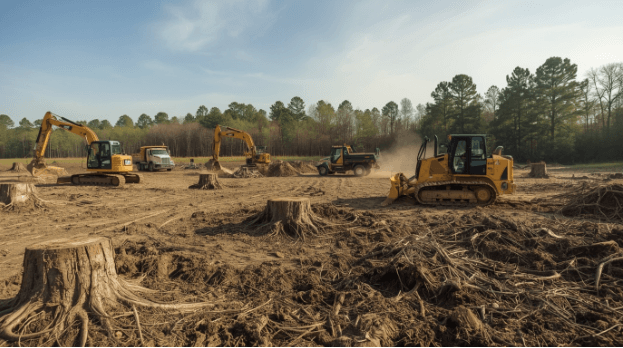

Most land clearing projects do not look complicated at the start. Work begins, things start moving, and for a while, everything feels like it is going fine. Then progress slows down. A few delays appear, small problems take longer to fix, and suddenly the project is not moving the way people expected.
Often, it is the smaller problems that create bigger headaches. Planning mistakes, workflow issues, equipment problems, and even using the wrong stump grinders can all affect how quickly work gets done.
What makes projects expensive is usually not one major problem. It is often several small bottlenecks happening at the same time.
This blog looks at some of the common bottlenecks that can quietly increase costs during land clearing projects.
Contents
1. Incomplete Site Assessments Lead to Unexpected Costs
Some of the delays that cost the most money actually start before the equipment even gets to work. When sites are not checked properly, crews often run into problems while trying to keep the project moving. Difficult terrain, hidden debris, roots, or small working areas can all create slowdowns.
Fixing these problems usually means changing plans, bringing in additional resources, or spending more time than expected. What initially feels like a small issue can become expensive pretty quickly.
2. Equipment Limitations Reduce Overall Productivity
Equipment issues can quickly turn into expensive problems during land clearing work.
Sometimes crews use equipment that is not suited for the work being done. In other situations, too much time is spent switching machines or using equipment that slows progress.
When equipment struggles to meet project demands, production slows. Machines stay active longer, fuel costs increase, and maintenance becomes more common. Even minor productivity losses can become costly when projects last for days or weeks.
3. Delays in Stump Removal Disrupt Project Timelines
Stump removal is often one of the tasks that takes longer than many teams expect. Large roots and remaining stumps can create problems for grading, excavation, hauling, and other work happening later in the project.
When stump removal gets delayed, other crews may have no choice but to wait. This can quickly create delays across the site.
Extra machine hours, multiple site visits, and schedule adjustments can all increase costs. Projects usually run more smoothly when stump removal is included in the workflow from the beginning rather than left for later.
4. Poor Coordination Creates Workflow Bottlenecks
Land clearing projects usually have a lot happening at the same time. Operators, crews, contractors, equipment, and schedules all need to stay aligned for work to move smoothly. When communication or coordination slips, delays can show up pretty quickly.
Sometimes equipment just sits there waiting. Other times, crews show up and realize they cannot do much yet. It may only be an hour here or there, but those delays add up because equipment and labor are still costing money.
When coordination problems keep happening throughout a project, they can have a much bigger impact on the budget than many people expect.
5. Inefficient Work Sequencing Creates Rework
The order in which work happens matters more than many people expect.
When clearing activities happen out of sequence, crews often end up repeating tasks. Equipment may need to return to areas that were already completed. Materials may need to be moved multiple times.
These situations create unnecessary machine hours, fuel usage, and labor expenses. Good workflow planning helps reduce repeated work and allows projects to move more consistently from one stage to the next.
Conclusion
Most projects do not go off track all at once. Usually, it happens when small problems keep slowing things down day after day. A delayed crew here, equipment waiting there, or unfinished stump removal can all start affecting the budget.
Finding these bottlenecks early and making better equipment decisions, including using stump grinders when appropriate, can make the entire clearing process much easier to manage.