
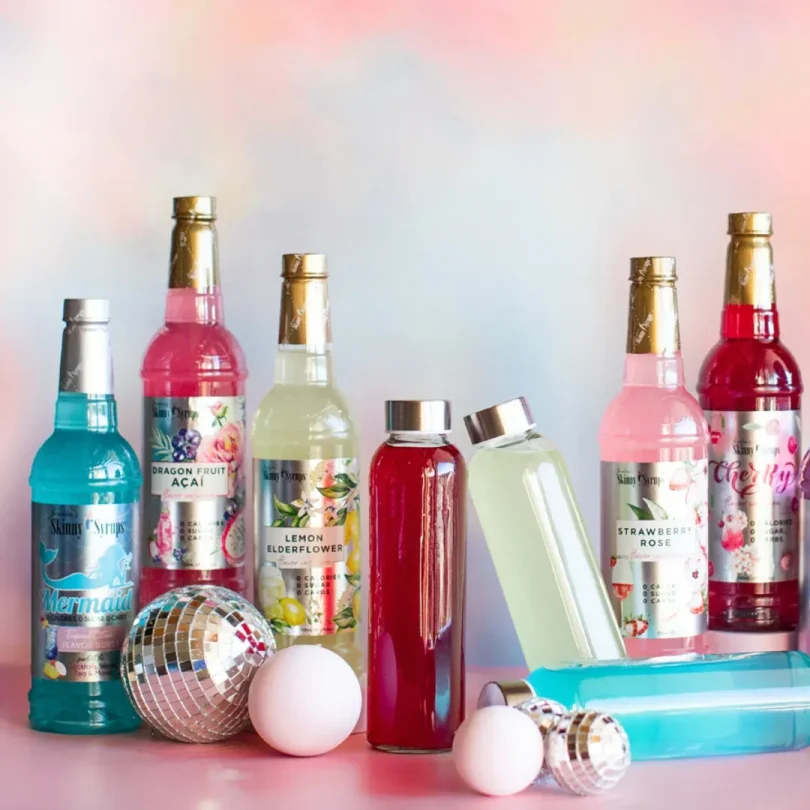

Sweetness is hardly a characteristic of a memorable beverage. Depending on the type of drink, be it a sparkling refresher, blended creation, a mocktail or a café specialty, flavor balance, aroma, acidity, texture, and presentation all play a role in the experience. Flavored syrups are carefully chosen to provide beverage creators with another approach to create that balance without making preparation impractical.
Out of citrus options, syrup lime might add a tart flavor with a hint of sweetness, which aligns especially well with beverages that require a more pronounced flavor profile. Floral varieties also provide an alternative solution, with the ability to add aromatic complexity to a simple recipe and make it more unique. Combined, citrus and botanical profiles demonstrate the versatility of beverage syrups.
Contents
- 1 The Reason Citrus Flavors Are So Effective in Beverages
- 2 Tartness Provides a More Energetic Flavor Profile
- 3 Citrus Beyond Simple Refreshers
- 4 Floral Notes Open Another Creative Direction
- 5 The Allure of Lavender
- 6 Creating More Desirable Drinks Using Contrast of Flavors
- 7 It Is Consistent in Beverage Preparation
- 8 Final Thoughts
The Reason Citrus Flavors Are So Effective in Beverages
Citrus has a natural ability to brighten a beverage. Its familiar tang can be used in combination with sweet components and adds a refreshing endnote to the overall profile that would not be too rich. Lime, specifically, relays a commanding sour flavor, which is best combined with chilled and refreshing beverages.
To beverage professionals consistency is as important as creativity. Targeted lime-flavored product can offer a regulated mix of acidic, sweet and bitter. This facilitates easier development of recipes with a familiar flavor identity through repetitive servings particularly when several ingredients are involved.
Tartness Provides a More Energetic Flavor Profile
Sweet beverages tend to have an acidic contrast. Devoid of that contrast, creamy, fruity, or sugar-dominant ingredients may prevail in the palate. A tart element brings about definition, which enables individual notes to be easier to differentiate and adds a cleaner finish.
Bitterness may be a supporting role as well. A small bitter touch brings a new level to citrus-based beverages when wisely used. Instead of making it a straight, sweet-sour mix this extra dimension can render the drink more formal and leave it to experimentation with fruit, vanilla, herbs or other similar elements.
Citrus Beyond Simple Refreshers
The flavors of lime are inherently linked with cooling beverages, yet may be applied in a wider range of more advanced drink ideas. Mixed dishes, cocktails, fruit salads, and creamy dishes can also be served with citrus, taking into account the ratio.
A good example is pairing citrus with dairy components and vanilla. The juxtaposing profiles make a strange mix where acidity is met with creamy sweetness. These recipes have shown that the development of a beverage does not necessarily have to be based on the familiar pairings. An established flavor often has a completely new personality with a contrasting ingredient.
Floral Notes Open Another Creative Direction
Citrus brings brightness, but floral flavors impact a drink mostly by aroma and sweetness delicately. Lavender is a well-known one especially due to its botanical name. With citrus and herbaceous supporting notes, its character may be more flexible in terms of beverage development as opposed to being more perfume-like.
Such flexibility provides creators of drinks with a chance to experiment with refreshing and aromatic recipes that have a refined sensory profile. Floral ingredients can be used with fruits, tea-based ingredients, or sparkling mixers as well as other compatible flavors. Balance is the aim, as botanical notes tend to work well when they add to the overall drink rather than dominating it.
The Allure of Lavender
The flavor has a well-known botanical basis as Lavender has been a part of Mediterranean land since ancient times. Its floral sweetness can provide the initial impression in beverages, with aroma, before other citrus or herbal flavors come out on the palate.
Lavender profile is carefully balanced hence giving multiple layers of sensory to one ingredient. The key note, floral sweetness, is used to develop the central character, citrus provides lift and herbaceous notes add depth. This blend provides a higher level of freedom to beverage developers to build beverages that will feel fragrant but will not be overly sweet.
Creating More Desirable Drinks Using Contrast of Flavors
The key to a successful drink recipe is frequently based on ingredients that do various tasks. A single ingredient may add sweetness, acidity, or a third may add aroma or texture. The careful combination of opposites can create a beverage with a more holistic experience of the initial taste to the last drop.
Think of a botanical cocktail with a refreshing citrus ingredient or of a fruit-based cocktail with an aromatic garnish. It does not aim at putting as many flavors as possible. Rather, every ingredient must have an obvious objective. Having one flavor in the lead and the other accompaniments, the drink that comes out of it becomes simpler to comprehend and more pleasant to savor.
It Is Consistent in Beverage Preparation
In the case of cafes, restaurants, bars and other drinks-oriented businesses, an attractive recipe should be reproducible as well. Customers want to have a recognizable beverage that can sustain its familiar taste at any time of the day or night. This requirement can be facilitated by standardized flavored ingredients that make it easier to handle the measurements of recipes.
Proper portioning comes in handy especially in recipes with many ingredients. Beverage teams have the opportunity of setting specific amounts when developing recipes, and use these amounts when serving. This method assists in maintaining consistency in flavors, and also aiding employees to recreate more complex combinations, without having to fully depend on personal judgment.
Final Thoughts
So how do we make a drink that customers will keep in mind? The hook is sometimes a well-selected flavor that introduces the appropriate balance of aroma, sweetness, and acidity, and character without complicating preparation unduly.
To those beverage professionals who are interested in citrus and botanical opportunities, DaVinci Gourmet has those products, which are developed with specific flavor profiles (e.g. tart lime with a light sweetness, DaVinci lavender syrup, which intertwines floral sweetness with citrus and herbaceous flavors). Thoughtful recipe creation and serving size can enable cafes, restaurants, and beverage designers to create beverages that feel thoughtful, expressive, and befitting diversified menu ideas.