
Transportation is one of the biggest growth areas of the day-to-day business landscape – looking for ways to become more efficient, reduce expenses, and deliver top-notch service to customers. Transportation networks are increasingly complicated and interconnected, from operators carrying freight between states and regional communities and their service fleets. In such surroundings, innovation is not just a competitive edge, it’s a requirement.
More and more companies are feeling pressure to improve their efficiency for a variety of reasons. Some of these reasons include rising operational costs, a shift in customer demands for faster delivery, difficulty in finding qualified staff and the push for greener operations. As a result, companies in Australia are adopting new technologies as well as new ways of operating that provide them with better visibility into how their operations work together and allow them to make smarter decisions when managing their operations
Connected Technologies Are Transforming Fleet Operations
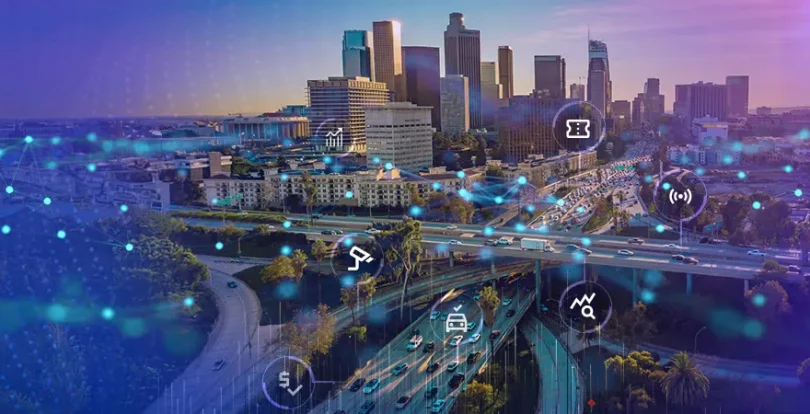
Widespread adoption of connected technologies is one of the major advancements of transportation. Cars are no longer individual vehicles journeying along the road alone. Rather, they are now integrated into larger digital ecosystems which are continuously creating and disseminating the information needed for operations.
This connectivity allows for transportation companies to become more insightful into the performance of their vehicles and the routes they are on, but also their operational efficiency. Managers have access to real-time data to make quicker decisions and adjust to the changing conditions along the network.
Real-Time Data Is Improving Operational Awareness
The ability to get information timely is a critical factor in transportation networks. When businesses can’t deal with delays, disruptions in travel plans or unforeseen issues in the way the business is run, their productivity and customer satisfaction can rapidly take a hit.
Real-time data provides businesses immediate visibility of real-time activities. Managers can be informed of what’s going on, not just by delayed reports, but by manual updates to the reports and can make adjustments to improve efficiency and service reliability.
Advanced Analytics Are Revealing New Opportunities
Large volumes of data are collected on a daily basis by modern transportation systems. It’s not about gathering information anymore, it’s about knowing how to apply it well. With the aid of advanced analytics tools, organizations are now converting raw data into valuable business insights.
Trends and performances can be compared to each other and the results can be used to show inefficiencies, optimal use of resources or betterment of planning processes. These features will help transportation companies make sound choices to enhance long-term performance and growth.
Smarter Route Management Is Reducing Waste
Planning of routes has always been crucially important in transportation management. But with the use of modern technology, route optimization has moved way beyond just map systems.
Today’s solutions can take real-time traffic, availability of vehicles, delivery priority and operational requirements into consideration. This enables companies to cut down on unnecessary travelling, enhance also-ness of the plans and lower gas consumption without compromising on service quality.
Automation Is Streamlining Administrative Work
There can be large administrative requirements related to transportation operations, such as reporting, compliance management, scheduling and performance monitoring. When performed manually, these tasks can waste precious time and resources.
Businesses are seeing administrative workload reduced with the help of automation, which is able to deal with repetitive tasks efficiently. While managers can concentrate on strategic priorities, automated reporting and monitoring systems give them more visibility of the operational activities.
Fleet Visibility Is Becoming a Strategic Asset
In a world where transportation systems grow up across metropolitan, regional and remote areas in Australia, it is important to keep track of fleet activity. To really coordinate resources, organizations should have an accurate knowledge of the location of vehicles and their operational performance.
Fleet tracking is one of the technologies used to achieve this goal as it allows companies to monitor the vehicles’ movements and the working of the fleet in real time This transparency helps improve the coordination, accountability and informed operational decisions in regards to transportation.
Organizations can also be able to know how vehicles are being utilized throughout the network, which can be utilized to maximize effectiveness and fulfill customer needs.
Sustainability Initiatives Are Driving Innovation
Environment has become an important criterion in transportation planning. Australian businesses are in the process of investigating how they can lower emissions, optimise fuel use and help to meet their sustainability targets.
Many of the operational efficiency technologies are also helping to achieve environmental goals. The ability to plan routes better, minimize idle time and maximize vehicle utilization can bring about environmental benefits for the organization as well as lower operating costs.
Collaboration Tools Are Strengthening Network Coordination
The communication between drivers, dispatchers, managers, suppliers and customers is the key to an efficient transportation network. The more complex operations are, the more crucial it is to have clear communication.
Digital collaboration platforms are helping organizations to get the information to the right people and right place at the right time and at the right cost. More communication facilitates quicker decision making and aids in keeping all parties concerned in the transportation process on the same page.
Innovation Is Supporting Greater Resilience
The recent years have seen the value of having resilience in transportation and in supply chain. The need for flexible systems is becoming more apparent as economies remain uncertain, weather delays and fluctuating markets have become an issue.
The innovative technologies provide a business with insight and agility to solve unexpected challenges. Organizations that will be able to quickly notice when the things go haywire, and then act on it accordingly to ensure that the performance is not affected, are of great importance.
Conclusion
There are numerous tools available today that provide the business the opportunity to use a smarter, more effective way to accomplish their objectives, such as various types of real-time data, advanced analytic tools, automated processes and connected fleet technologies.
The companies that decide to be innovative will be better equipped to deal with complexity and stay competitive in the market once the need for transportation changes so rapidly. Australian transport operators will have the opportunity to invest in new technology to enhance the operating efficiency of their businesses and create resilient, efficient and sustainable transport networks for the future.