
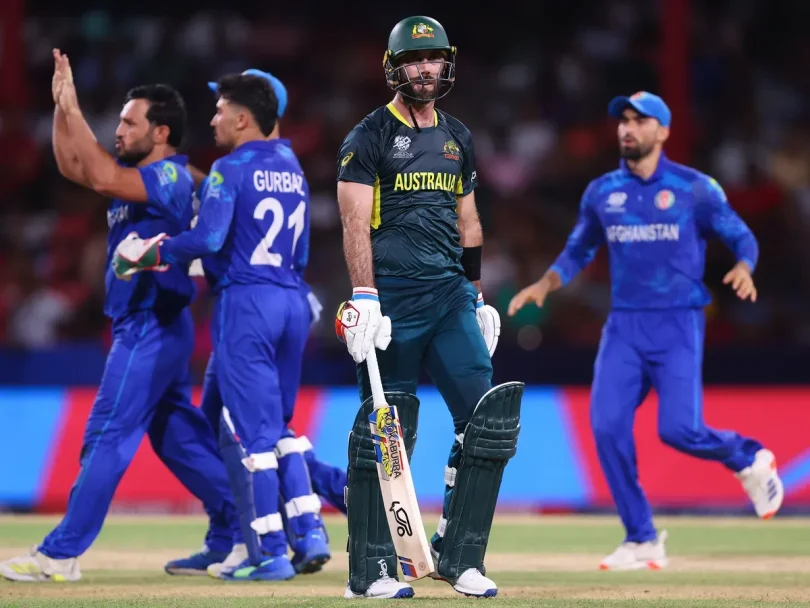

The afghanistan national cricket team vs australian men’s cricket team standings comparison highlights two teams with very different cricketing histories, resources, and competitive strengths. Australia has established itself as one of international cricket’s most successful teams, while Afghanistan has emerged as a formidable opponent through determination, exceptional spin bowling, and rapid development.
Understanding the afghanistan national cricket team vs australian men’s cricket team standings requires more than looking at a single ranking table. ICC positions depend on the format, the results of qualifying matches, the strength of opponents, and the ranking system applicable to each competition. A team can dominate one format while facing greater challenges in another.
The rivalry has become increasingly compelling because Afghanistan has demonstrated its ability to compete against established cricketing nations. Australia, meanwhile, continues to draw on its extensive experience in major tournaments and its strong tradition of developing international players.
For supporters searching for afghanistan national cricket team vs australian men’s cricket team match scorecard information, standings provide valuable context for understanding individual results. A scorecard explains what happened in a particular match, whereas rankings reveal how performances contribute to a team’s broader international position.
This analysis examines the historical background, format-specific rankings, head-to-head performances, tournament implications, and future possibilities surrounding these two teams.
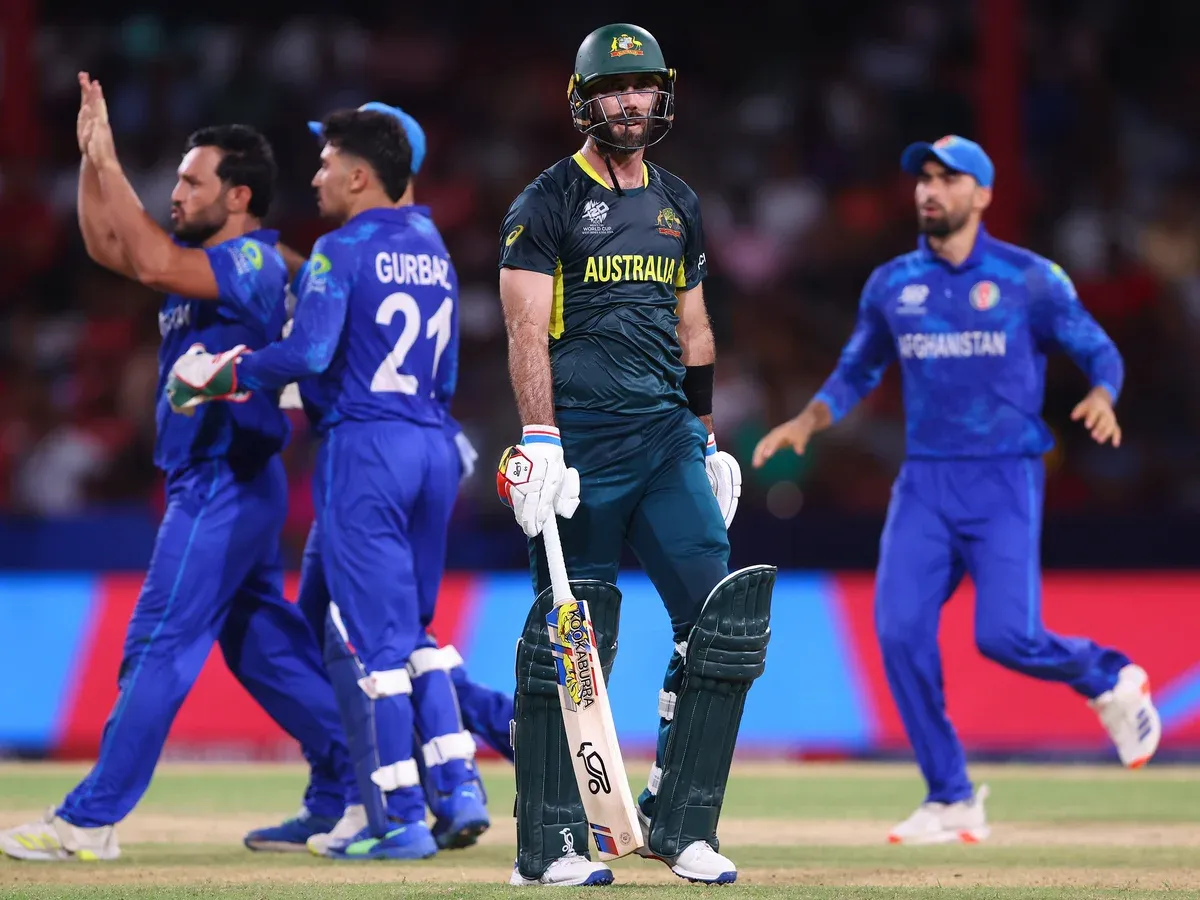
Afghanistan National Cricket Team vs Australian Men’s Cricket Team Standings
Contents
Overview of Team Standings in International Cricket
International cricket standings offer a structured way to compare teams across different formats and competitions. However, rankings, tournament tables, and head-to-head statistics measure different things. Understanding these distinctions is essential before comparing Afghanistan with Australia.
Historical Context of Afghanistan and Australia in International Cricket
Australia’s international cricket history stretches back to the nineteenth century. The country has developed a powerful cricketing system, supported by domestic competitions, professional coaching, and generations of internationally successful players.
Its achievements include multiple ICC Cricket World Cup titles and sustained success in Test cricket. These accomplishments have helped Australia maintain a strong reputation across generations, although its precise ranking changes as results and rating calculations evolve.
Afghanistan’s rise has followed a different path. The national team developed through a challenging cricketing environment before gaining recognition on the international stage. Its progress accelerated as players gained access to international competitions, professional coaching, and experience against stronger opponents.
Afghanistan earned Test status in 2017 and played its inaugural Test match in 2018. Its development has been particularly impressive in limited-overs cricket, where skilled spin bowlers, aggressive batters, and effective all-rounders have helped the team challenge established sides.
The afghanistan national cricket team vs australian men’s cricket team standings comparison therefore represents two different development models. Australia benefits from a long-established cricketing structure, while Afghanistan’s progress demonstrates how talent, international exposure, and strategic investment can accelerate a national team’s growth.

Current ICC Rankings Across Formats (Test, ODI, T20)
ICC rankings assess teams separately in Test cricket, One Day Internationals, and Twenty20 Internationals. These formats demand different combinations of patience, tactical awareness, bowling control, and scoring aggression.
Australia has traditionally performed strongly across all three formats. Its depth of talent and established domestic competitions support consistent performances, although rankings can fluctuate after series defeats, changes in team selection, and successful campaigns by rival nations.
Afghanistan has made substantial progress in white-ball cricket, particularly in ODIs and T20Is. Its bowling resources and familiarity with spin-friendly conditions can create difficult challenges for teams accustomed to more conventional bowling attacks.
Test cricket presents a different challenge because sustained batting, workload management, and consistent performances over several days require considerable depth. Afghanistan continues to develop its experience in this format.
Readers researching afghanistan national cricket team vs australia national cricket team match scorecard details should distinguish a team’s ICC ranking from its position in an individual tournament. A team can win a match without immediately overtaking its opponent in the rankings.
Exact current positions should be checked against the official ICC rankings for the relevant format and date. Without a verified, date-specific ranking table, assigning precise numerical positions would risk presenting outdated information as current.
Factors Influencing Team Standings and Performance
Several interconnected factors determine a team’s ranking and tournament position. Match results are central, but the circumstances surrounding those results also influence long-term performance.
Consistency is especially important. A team that regularly defeats opponents across several series is better positioned to maintain a strong rating than one that produces occasional outstanding victories but struggles to sustain its form.
Squad depth is another important consideration. Injuries, workload restrictions, and changes in player availability can significantly affect performance, particularly when teams compete across several formats.
Playing conditions also matter. Afghanistan’s spin resources can become particularly influential on surfaces that encourage turn, while Australia’s pace bowlers often benefit from conditions that provide bounce and movement. Neither advantage is universal, and successful teams adapt their strategies to the venue.
These factors explain why the afghanistan national cricket team vs australian men’s cricket team standings comparison should be evaluated over time rather than through a single result.
For supporters following afg vs aus, the most useful approach combines official rankings, recent match results, tournament points, and player performances. Together, these indicators provide a more complete picture of each team’s competitive position.

Afghanistan National Cricket Team vs Australian Men’s Cricket Team Standings
Afghanistan National Cricket Team Standings and Performance
Afghanistan’s international standing reflects its transition from an emerging cricket nation into a team capable of challenging established opponents. Its progress has been especially visible in limited-overs competitions, where specialized skills and fearless decision-making can influence matches dramatically.
The afghanistan national cricket team vs australian men’s cricket team standings discussion becomes particularly interesting when Afghanistan’s achievements are assessed against the resources and experience available to more established teams.
Evolution and Growth in International Rankings
Afghanistan’s rise has been built on several important developments, including improved player identification, international exposure, and the emergence of talented cricketers who have succeeded in domestic leagues around the world.
The team’s growth has been particularly noticeable in T20 cricket. Shorter matches allow Afghanistan’s specialist bowlers and aggressive batters to influence the result within a relatively limited period. Effective powerplay bowling, disciplined middle overs, and explosive finishing have helped create a competitive identity.
ODI cricket has also provided opportunities to demonstrate greater tactical maturity. Successful ODI teams need to balance early aggression with middle-order stability and enough bowling options to control the final overs. Afghanistan’s continued development in these areas has strengthened its ability to challenge higher-profile opponents.
Its ranking progress should not be interpreted as a straight upward line. Defeats, difficult tours, and periods of transition can produce temporary setbacks. Such fluctuations are normal for international teams, especially those still building depth across every playing position.
When assessing the afghanistan national cricket team vs australian men’s cricket team standings, Afghanistan’s trajectory deserves attention alongside the teams’ current positions. Long-term improvement can be significant even when the gap between two teams remains substantial.
Key Achievements and Milestones
Afghanistan’s international journey includes several milestones that demonstrate how quickly the team has developed.
Its admission to the ICC’s full-member group in 2017 represented a major step forward. Test status provided access to the longest format and increased opportunities for players to develop against high-quality opposition.
Afghanistan also made a strong impression in major limited-overs tournaments. At the 2023 ODI World Cup, the team recorded memorable victories against established opponents, demonstrating that its competitiveness extended beyond T20 cricket.
The 2024 T20 World Cup marked another landmark. Afghanistan reached the semifinals for the first time in a senior men’s ICC World Cup event, defeating several strong opponents during its campaign. The achievement strengthened the team’s international reputation and demonstrated the effectiveness of its bowling attack and increasingly confident batting lineup.
These performances also influenced how supporters viewed afghanistan national cricket team vs australian men’s cricket team standings. Afghanistan was no longer simply an emerging participant; it had become a serious competitor capable of affecting tournament outcomes.
For readers examining the afghanistan national cricket team vs australian men’s cricket team match scorecard, these milestones offer important context. Individual figures become more meaningful when considered alongside the pressure, opposition quality, and tournament significance surrounding a match.

Strengths and Challenges Impacting Standings
Afghanistan’s most recognizable strength is its spin bowling. Experienced and emerging spinners have developed the ability to vary pace, flight, and trajectory while forcing batters to manufacture scoring opportunities.
Its all-rounders provide another advantage. Players who can contribute with both bat and ball give selectors flexibility when building a balanced lineup. That flexibility is especially useful in limited-overs cricket, where teams must manage batting depth without sacrificing bowling quality.
Afghanistan’s batters can also be highly dangerous when they establish momentum. Aggressive stroke play and confidence against spin allow the team to challenge opponents during crucial periods.
However, challenges remain. Consistency against high-quality pace attacks, adaptability to unfamiliar conditions, and the development of a reliable batting order can determine whether promising performances translate into sustained success.
Test cricket creates additional demands because players must maintain concentration and technical discipline over extended periods. Building a larger pool of experienced red-ball players remains important for long-term development.
In the afghanistan national cricket team vs australian men’s cricket team standings comparison, these strengths and weaknesses explain why Afghanistan can produce exceptional results without necessarily maintaining the same position across every format.
Continued investment in domestic competitions, coaching, fitness, and youth development could help Afghanistan narrow the competitive gap further.
Australian Men’s Cricket Team Standings and Performance
Australia’s position in international cricket has been shaped by decades of achievement, a competitive domestic structure, and a strong culture of performance under pressure. The team’s established system gives it several advantages when competing across different formats.
Nevertheless, the afghanistan national cricket team vs australian men’s cricket team standings comparison should not assume that historical success guarantees future victories. Rankings reward results, and every international team must continue adapting to changing opponents and conditions.
Historical Dominance and Consistency in Rankings
Australia has one of the strongest records in international men’s cricket. Its achievements include repeated ODI World Cup victories, major Test series successes, and significant accomplishments in T20 cricket.
The team’s dominance in the ODI World Cup has been particularly notable. Australia has repeatedly demonstrated an ability to manage tournament pressure, recover from difficult situations, and produce outstanding performances in knockout matches.
Its Test cricket tradition is equally influential. Competitive domestic cricket, technically accomplished batters, fast-bowling depth, and experienced leadership have supported strong results over many decades.
Australia’s success does not depend on one playing style. Its teams have combined aggressive batting with disciplined bowling, adjusting their approach to different opponents and conditions.
The afghanistan national cricket team vs australian men’s cricket team standings comparison therefore reflects a difference in historical depth as well as current competitive performance.
Australia’s established infrastructure provides access to extensive domestic competition and specialist coaching. These advantages help produce replacement players when experienced internationals retire or become unavailable.
Recent Performance Trends and Rankings Fluctuations
Australia’s rankings can change as players enter or leave the squad, new combinations are tested, and opponents produce successful series results. Even an experienced team can experience periods of transition.
Workload management is a major consideration because leading Australian players may participate in Tests, ODIs, T20Is, domestic competitions, and professional leagues. Balancing these commitments can influence selection and availability.
Australia’s strongest performances generally combine top-order stability, a versatile middle order, effective pace bowling, and the ability to respond quickly when a match changes direction.
However, conditions can expose weaknesses. Batting lineups may struggle against high-quality spin, while unfamiliar surfaces can reduce the effectiveness of otherwise successful bowling plans.
For anyone following afg vs aus, recent results should be considered alongside the quality of opposition and the format in which matches were played. A narrow T20 defeat does not automatically indicate that one team is stronger in Test cricket.
The afghanistan national cricket team vs australian men’s cricket team standings assessment should consequently use current ICC data rather than reputation alone.
Likewise, an afghanistan national cricket team vs australian men’s cricket team match scorecard can reveal whether a defeat resulted from batting collapses, ineffective death bowling, missed opportunities, or an outstanding individual performance.

Core Strengths and Areas of Development
Australia’s strengths begin with its player depth. The country has a well-developed domestic system that gives selectors access to experienced performers and promising young players across formats.
Its fast-bowling resources are another important advantage. Bowlers who generate pace, bounce, and movement can challenge batters on a wide range of surfaces. The ability to rotate several quality seamers also helps manage fatigue during demanding schedules.
Australia has traditionally produced technically accomplished batters who can adapt to different match situations. Some are especially effective in long-format cricket, while others offer the power and improvisation required in T20 matches.
Fielding standards, tactical planning, and experience in major tournaments also contribute to its competitiveness.
Development remains necessary, however. Australia must identify successors for experienced players, maintain a reliable supply of all-rounders, and adapt to opponents who use innovative tactics.
Its batters must also remain effective against spin, particularly when playing in conditions that favor slower bowlers.
For the afghanistan national cricket team vs australian men’s cricket team standings comparison, Australia possesses considerable structural advantages, but Afghanistan’s specialized bowling strengths can still create difficult matchups.
The distinction is important: a stronger overall cricketing system does not eliminate the possibility of a surprising result in an individual match.
Direct Comparisons Between Afghanistan and Australia
A direct comparison offers a clearer understanding of the strengths, weaknesses, and competitive dynamics of both teams. Historical achievements provide context, while head-to-head records and tournament performances help explain their relative standing.
The afghanistan national cricket team vs australian men’s cricket team standings question is therefore best approached through several complementary measures rather than a single statistic.
Head-to-Head Records and Impact on Rankings
Head-to-head records show how two teams have performed against each other in actual matches. They can reveal recurring tactical challenges, successful bowling combinations, and the influence of particular venues.
Australia entered the rivalry with a much longer international history and extensive experience in major competitions. Afghanistan, by contrast, has had fewer opportunities to face Australia across formats, making every encounter particularly valuable for measuring its development.
The teams’ ODI meeting at the 2023 World Cup illustrated Afghanistan’s ability to challenge Australia under high pressure. Afghanistan established a commanding position through a remarkable batting performance from Ibrahim Zadran, but Australia’s Glenn Maxwell produced a historic double century to help secure victory.
The match demonstrated the difference between building an excellent position and completing the result against an experienced opponent. It also highlighted Afghanistan’s growing ability to compete with elite teams.
A head-to-head record must be separated by format. Test matches, ODIs, and T20Is involve different conditions and tactical requirements, so combining them into one total can conceal important patterns.
When examining the afghanistan national cricket team vs australian men’s cricket team standings, supporters should also consider whether the comparison concerns ICC ratings, tournament positions, or direct wins and losses.
The afghanistan national cricket team vs australia national cricket team match scorecard search is useful for reviewing batting contributions, bowling figures, partnerships, and the precise circumstances of individual encounters.
A scorecard can explain why a match was close, but a longer series of results is generally more informative when evaluating sustained competitive strength.

Comparative Analysis of Performance in Major Tournaments
Major tournaments provide a demanding test because teams must perform consistently against varied opposition within a limited schedule.
Australia has an exceptional record in the ODI World Cup, having won the competition six times through the 2023 edition. Its history includes successful campaigns built on disciplined preparation, experienced leadership, and strong performances during decisive matches.
Afghanistan’s tournament history is shorter, but its achievements have grown rapidly. Its 2023 ODI World Cup campaign included victories over several established teams, while its 2024 T20 World Cup semifinal appearance represented a breakthrough for the national side.
These achievements demonstrate that tournament progress cannot be measured solely by a team’s overall history. Afghanistan has shown that it can exploit favorable conditions, execute specific plans, and defeat opponents with greater historical success.
The afghanistan national cricket team vs australian men’s cricket team standings comparison consequently looks different depending on whether the focus is historical titles, recent tournament performance, or current format-specific ratings.
Australia retains a substantial advantage in long-term tournament success. Afghanistan’s progress, however, indicates that the competitive gap in selected white-ball matches can be narrower than historical records alone might suggest.
For readers searching aus vs afg world cup 2026, it is important to verify the exact competition and fixture before assuming that the teams have played a particular match. A scheduled meeting, a completed fixture, and a hypothetical matchup are not interchangeable.
If the teams meet in a major tournament, the result could influence qualification, semifinal prospects, and public perceptions of their relative strength. Its actual ranking impact would depend on the format and the applicable ICC ranking rules.
Influence of Team Composition and Strategy on Standings
Team composition can be decisive when Afghanistan and Australia face each other. Each side must choose a combination that suits the surface, weather, opposition, and match format.
Afghanistan may prioritize specialist spinners, batting all-rounders, and aggressive top-order players. On a surface offering turn, this combination can create sustained pressure and restrict scoring opportunities.
Australia may respond with experienced batters who use their feet effectively against spin, alongside pace bowlers capable of taking wickets with the new ball. The availability of versatile all-rounders can provide additional flexibility.
Batting order decisions also matter. A team that loses early wickets may need to stabilize its innings, while a side with wickets in hand can increase its scoring rate later.
In T20 cricket, powerplay efficiency and death-over execution often determine the outcome. In ODIs, teams must manage a longer innings and preserve resources for the closing overs. Test cricket places greater emphasis on patience, technical discipline, and sustained bowling pressure.
The afghanistan national cricket team vs australian men’s cricket team standings comparison can change over time as these tactical choices produce different results.
A successful strategy against one opponent may not work against another. Teams that adapt quickly to changing conditions are generally better equipped to maintain competitive rankings.
Future Outlook and Potential Changes in Standings
The future relationship between Afghanistan and Australia will depend on player development, tactical innovation, international fixtures, and consistency across formats. Although Australia has a deeper history of success, Afghanistan’s continued improvement could make future encounters increasingly competitive.
The afghanistan national cricket team vs australian men’s cricket team standings comparison should therefore be viewed as an evolving picture rather than a permanent hierarchy.
Emerging Players and Their Impact on Team Rankings
Young players can transform a team’s prospects by introducing new skills, increasing competition for places, and providing depth when senior internationals become unavailable.
Afghanistan’s future depends partly on developing technically reliable batters who can handle both pace and spin. Its bowling strength is already a major asset, but additional batting consistency would help convert promising positions into victories more frequently.
The continued development of all-rounders is equally important. Players who can contribute in multiple departments allow selectors to build balanced teams without compromising batting depth or bowling options.
Australia also faces the challenge of preparing its next generation. As experienced players retire or reduce their international commitments, younger batters and bowlers must demonstrate that they can perform under pressure.
Domestic competitions remain important for both countries. Regular high-quality cricket gives emerging players opportunities to improve their technique, fitness, decision-making, and understanding of different match situations.
These developments could influence the afghanistan national cricket team vs australian men’s cricket team standings over several seasons. Afghanistan could improve its competitive position through greater squad depth, while Australia must maintain its established standards to remain near the top.
For supporters searching afghanistan national cricket team vs australia national cricket team match scorecard, emerging players are worth monitoring alongside established stars. A young batter’s contribution or an inexperienced bowler’s breakthrough performance may signal a wider change in team strength.
Scheduled Fixtures and Potential Ranking Implications
International fixtures create opportunities for teams to earn ranking points, gain experience, and assess their strengths against different opponents. However, the effect of a match depends on the format, the result, and the ranking system in use.
A bilateral ODI series could provide Afghanistan with valuable opportunities to test its bowling combinations against Australia’s experienced batting lineup. A T20I series would offer a different challenge, emphasizing aggressive batting, adaptable bowling, and execution during the final overs.
Test matches would place greater demands on batting technique, endurance, and the ability to sustain pressure over several days.
The phrase aus vs afg world cup 2026 may reflect interest in a potential or scheduled World Cup encounter. Readers should confirm the official fixture list and tournament format before relying on a specific date, venue, or match result.
If Afghanistan and Australia meet in a major tournament, the consequences could extend beyond their immediate head-to-head record. Depending on the competition, the result might affect qualification prospects, semifinal chances, or progress to the knockout stage.
A tournament points table is not the same as an ICC ranking. Teams accumulate points and net run rate according to the competition’s rules, while ICC rankings use their own rating methodology.
The afghanistan national cricket team vs australian men’s cricket team standings analysis should account for this distinction when interpreting future results.
For readers following afg vs aus, the most reliable approach is to consult official competition updates, verified scorecards, and current ICC rankings rather than assuming that a scheduled match has already taken place.
An afghanistan national cricket team vs australian men’s cricket team match scorecard will become especially useful after a completed fixture, allowing supporters to connect the result with individual performances and the wider tournament picture.

Strategic Initiatives and Development Programs Affecting Future Standings
Long-term rankings depend on more than individual talent. Sustainable improvement requires effective administration, accessible training facilities, coaching expertise, competitive domestic cricket, and pathways for younger players.
Afghanistan can strengthen its position by expanding opportunities for emerging cricketers and helping promising players develop across all three international formats. Improved batting depth, greater experience in Test cricket, and effective preparation for overseas conditions could support further progress.
International exposure is another important factor. Competing against different bowling styles and batting approaches helps players identify weaknesses before major tournaments.
Australia’s priorities differ because its cricketing infrastructure is already well established. Maintaining that advantage requires continued investment in youth development, sports science, workload management, and technical innovation.
The Australian system must also remain adaptable. Opponents increasingly use data analysis, specialized field placements, and innovative bowling plans to challenge traditional approaches.
For both teams, effective succession planning is essential. Replacing experienced players gradually can help prevent sudden declines in performance when several senior cricketers leave the international stage.
These initiatives could influence the afghanistan national cricket team vs australian men’s cricket team standings over the long term. Afghanistan has opportunities to close specific performance gaps, while Australia must continue evolving to preserve its competitive edge.
The wider lesson is that international rankings reflect the combined effects of player ability, preparation, resources, and results. No team can rely exclusively on its reputation to maintain a strong position.
Conclusion
The comparison between Afghanistan and Australia illustrates two different paths to international cricket success. Australia has built an exceptional record through decades of tournament victories, established domestic competitions, and consistent performances across formats. Afghanistan has developed rapidly, establishing itself as a dangerous opponent through spin bowling, talented all-rounders, and increasingly confident batting.
The afghanistan national cricket team vs australian men’s cricket team standings comparison must account for both historical achievement and current performance. Australia has the stronger long-term record, but Afghanistan’s progress shows that established hierarchies can be challenged when a team combines skill, preparation, and tactical discipline.
ICC rankings, tournament standings, and head-to-head statistics each provide a different perspective. Rankings measure performance over time, tournament tables reflect results within a specific competition, and individual scorecards reveal how matches unfold.
For supporters researching afghanistan national cricket team vs australian men’s cricket team match scorecard details, the best analysis combines individual statistics with broader context. Batting partnerships, bowling figures, wickets taken at critical moments, and performances under pressure can explain why one side succeeds.
The afghanistan national cricket team vs australian men’s cricket team standings will continue to attract attention as Afghanistan develops its international capabilities and Australia seeks to maintain its position among cricket’s leading nations. Future encounters could provide further evidence of Afghanistan’s growth and Australia’s ability to respond to evolving challenges.
Ultimately, the afghanistan national cricket team vs australian men’s cricket team standings story is not simply about which team ranks higher today. It is about the contrast between established excellence and ambitious progress, and how both teams can shape the future of international cricket through consistent performances and strategic development.