
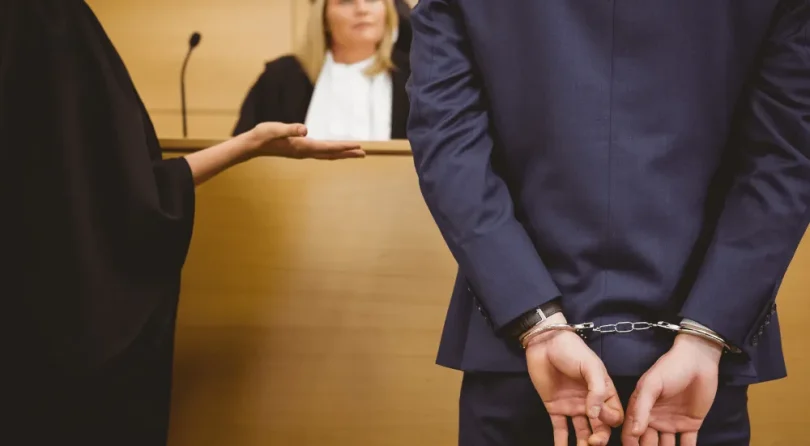

When you’re facing criminal charges, everything sort of compounds in your life, and starts to feel overwhelming. That includes small, otherwise inconsequential things that really shouldn’t be that big of a deal. Because of this, it’s important that you do whatever you can to get this situation handled as quickly as possible.
The best-case scenario involves getting charges dropped. But is that even possible? And what “tricks” do criminal defense attorneys have up their sleeves to help you?
Truth be told, the key to getting charges dropped usually lies in acting quickly and strategically. The earlier your attorney can intervene in the process, the more opportunities they have to influence the outcome before the case gains momentum in the prosecution’s favor.
Challenging the Evidence Foundation
The strongest approach to getting charges dropped involves attacking the foundation of the prosecution’s evidence. If your attorney can demonstrate that key evidence was obtained illegally or is unreliable, prosecutors may have no choice but to drop the charges rather than proceed with a weak case.
Fourth Amendment violations are probably the most powerful tools for getting charges dropped. If police conducted an illegal search or seizure, obtained evidence without proper warrants, or violated your privacy rights, your attorney can file motions to suppress that evidence. And when critical evidence gets thrown out, prosecutors often realize they can’t prove their case beyond a reasonable doubt.
Procedural Violations and Constitutional Rights
Criminal cases must follow strict procedural rules, and violations of these procedures can lead to charges being dropped entirely. Your attorney will scrutinize every aspect of your arrest and the investigation to identify procedural errors.
Miranda rights violations are classic examples of procedural problems that can lead to dropped charges. If police failed to properly read you your rights before questioning, or continued interrogating you after you requested an attorney, any statements you made might be inadmissible. Without those statements, prosecutors might not have enough evidence to proceed.
Statute of limitations issues can also result in automatic dismissal of charges. Different crimes have different time limits for prosecution, and if too much time has passed since the alleged offense, your attorney can argue that the charges must be dropped regardless of the evidence.
Negotiating with Prosecutors
Sometimes getting charges dropped requires skilled negotiation rather than courtroom battles. Experienced defense attorneys understand how prosecutors think and can present compelling arguments for why dropping charges serves everyone’s interests.
Lack of evidence is often the most straightforward argument for dismissal. If your attorney can demonstrate that the prosecution’s case has significant gaps or weaknesses, prosecutors may decide that proceeding would be a waste of resources.
“Prosecutors are practical people who want to win cases, not waste time on charges they can’t prove,” attorney Brad C. Richardson explains. “When we can show them early on that their evidence won’t hold up in court, they’re often willing to dismiss charges rather than risk an embarrassing loss at trial.”
Alternative resolution options can also lead to dropped charges. Your attorney might negotiate for diversion programs, community service, or treatment programs that result in charges being dismissed upon completion. These alternatives appeal to prosecutors because they achieve justice without the time and expense of a trial.
Pre-Trial Motions and Legal Challenges
Strategic use of pre-trial motions can get charges dropped by clearly demonstrating fatal flaws in the prosecution’s case. These motions force prosecutors to defend their evidence and procedures before trial, often revealing weaknesses they hadn’t considered.
- Motion to dismiss for insufficient evidence challenges whether the prosecution has enough proof to proceed. If your attorney can show that even if all the prosecution’s evidence is true, it still doesn’t prove guilt beyond a reasonable doubt, judges can dismiss charges entirely.
- Double jeopardy motions apply when you’re being charged for the same crime twice. If you’ve already been prosecuted for the same offense, your attorney can argue that additional charges violate your constitutional protection against double jeopardy.
- Entrapment defenses can lead to dismissed charges if law enforcement officers induced you to commit a crime you wouldn’t have committed otherwise. If your attorney can prove that police created the criminal opportunity and pressured you to participate, prosecutors may drop charges rather than defend against entrapment claims.
Factors That Improve Your Chances
Several factors can improve the likelihood of getting charges dropped, and understanding these can help you work effectively with your attorney toward this outcome.
First-time offender status often makes prosecutors more willing to consider alternatives to prosecution. If you have no criminal record, your attorney can argue that dropping charges or offering diversion programs better serves justice than pursuing conviction.
Victim cooperation issues are another factor that can lead to dropped charges. This usually arises in cases where victims become unwilling to testify or recant their statements. While attorneys can’t encourage victims not to cooperate, situations where victims no longer support prosecution can provide grounds for dismissal.
Setting Realistic Expectations
While criminal defense attorneys have multiple strategies for getting charges dropped, success isn’t guaranteed in every case. The strength of the prosecution’s evidence, the seriousness of the charges, and the specific facts of your case all influence the likelihood of dismissal.
The bottom line is that experienced criminal defense attorneys have numerous tools for getting charges dropped. However, success depends on identifying the right strategy for your specific situation and executing it from the earliest stages of your case.
While dismissal isn’t possible in every case, having an attorney who understands these strategies can improve your chances.